Ziad shot to death - a year after his wife was murdered and he warned: "I am next"
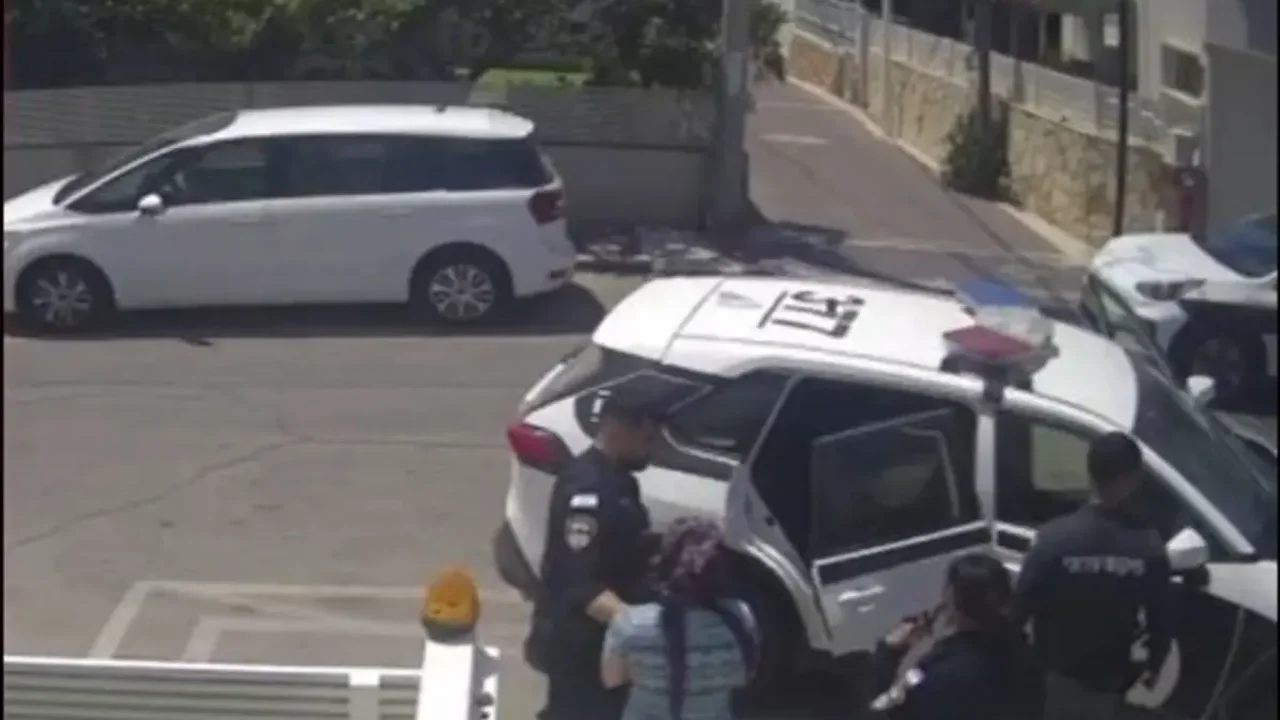
57-year-old Ziad Bashara was murdered in Tayibe, allegedly as part of a "blood feud" conflict - his wife, social activist Suzan, was also murdered last year. The murder this evening, along with another murder over the weekend, puts an end to a rare streak without murder cases in the sector - which lasted 20 days - and the police claim that recently there has been an "80% drop" in shooting incidents on the streets.
A figure that has not been seen for many years was recorded in the last month in Arab society: for the first time in four years, 20 consecutive days passed without a single murder case on criminal grounds. But this streak was broken last Friday with the murder of Amar Al-Qaraan from Kuseife, who was not the target of the assassination, and suspects involved in the shooting were arrested. This evening (Wednesday), after many more long days of quiet, another murder occurred - this time in Tayibe, where 57-year-old Ziad Bashara was shot to death.
The murder in Tayibe is allegedly part of a blood feud conflict. Bashara's wife was social activist Suzan Abd al-Qader Bashara (51) - who was shot to death herself in Tira at the end of April last year, about a year and three months ago. In an interview at the time, Bashara warned that he might be next.
"My wife was a social activist. She would not hesitate to help others and initiated reconciliations between relatives," Ziad said at the time. "Her life was full of wonderful deeds that we are proud of. In the past, they shot at the house and set fire to her car, and there is no progress. I don't know where we will reach, and maybe I will be next - or others from the family."
Ziad's son, Mahmoud Bashara, was charged last Thursday with the murder of 19-year-old Bakr Nusirat in Tayibe about a month ago, and with the attempted murder of Nadim Nusirat. The murder this evening is the 157th murder this year in the sector - a figure that is in itself very high, when last year 156 were murdered in the corresponding period, and it ended with a record number of 255 murdered.
And yet - the police claim a dramatic drop in the last month in shooting cases on the streets, of about 80%. In the enforcement agencies, they attribute these data to a combination of extensive police deployment and internal reconciliation efforts. Sources in Arab society point out that one of the main factors that contributed to the decrease in violence are "reconciliation agreements", sulhas and hudnas, which were held in the recent period between feuding families after years of bloodshed, which claimed the lives of hundreds of people.
Among other things, historic reconciliations were held between the Abu Ghanem and Abu Zaid families in Lod and Ramle, between the Shafiq and Mardi families in Tira, as well as an internal reconciliation in the Hariri family and other agreements. Alongside the reconciliations that were signed, other severe conflicts are still ongoing within the framework of a "hudna", a temporary ceasefire.
The police claim that the change also stems from extensive operations led by Commissioner Dani Levy, which include overt and covert measures and increased presence in the neighborhoods. "The Commissioner emphasizes the fight against crime with all the means at our disposal," senior officers said in a conversation with ynet. "Every day he follows the developments and asks about every new incident. Even in the case of shooting without casualties, an investigation begins immediately, with an emphasis on locating everyone who possesses a weapon and endangers public life."