How the 1982 Lebanon War Invades Tel Aviv's Underground Dancefloors
Yossi Sucary's new novel merges the 1982 Lebanon War with Tel Aviv's legendary 1980s post-punk scene, exploring identity, philosophy, and the illusion of escaping national reality.

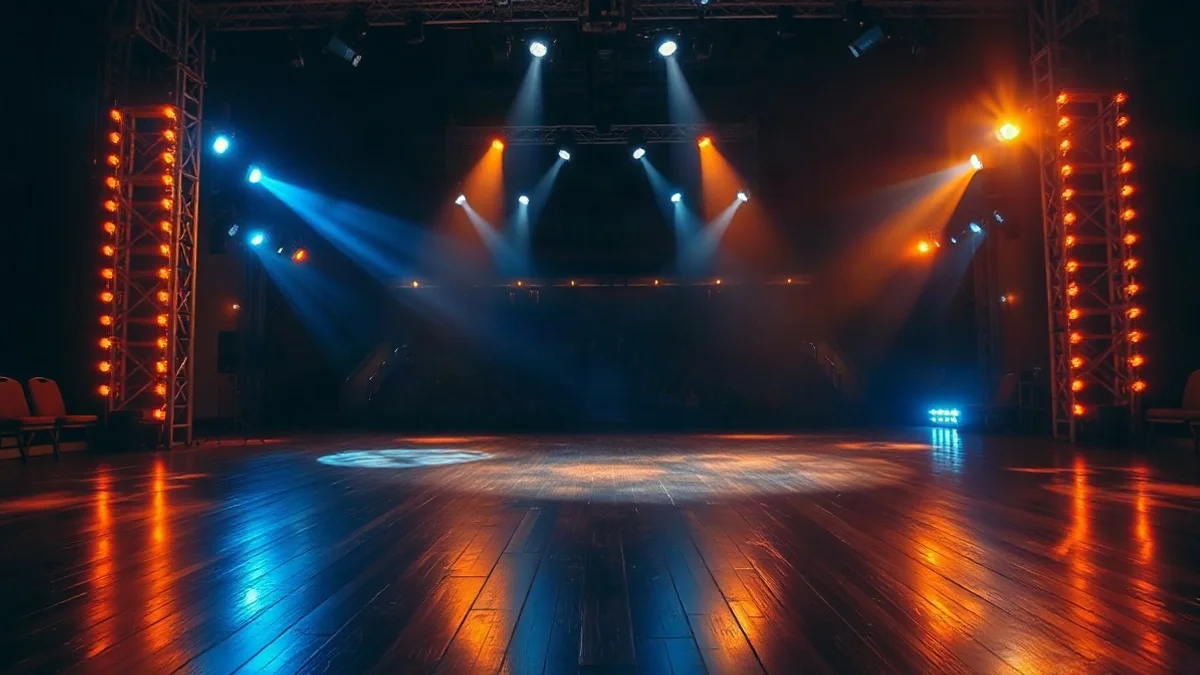
The 1982 Lebanon War steps onto the underground dancefloor in Yossi Sucary's seventh novel, "Matachat LaMakom" ("Underneath the Place"). The narrative unfolds in a dark basement club draped in mirrors, modeled after the legendary Penguin Club on Yehuda Halevi Street in Tel Aviv, which served as the epicenter of the 1980s post-punk and new wave scene.
Philosophy and the Illusion of Escape
The novel follows a young philosophy student devoted to Martin Heidegger, alongside his circle of friends: Chrissy, who turns out to be Moriah Azulay from Ashkelon, and fellow university students Daniela and Daniel. Drawing upon Heidegger's seminal work "Being and Time", which rejects the separation of consciousness from the world and posits that individuals are products of their specific environment, Sucary suggests that the young protagonists' attempt to forge a reality separate from Israel is doomed to failure.
"We will continue to act decisively and deploy every necessary resource to stabilize the situation in the region, while the underground club attempts to construct an alternative universe away from the national trauma." - Literary Review Excerpt
The Inevitable Intrusion of War
Just as Heidegger argued that death is ever-present, the shadow of war eventually shatters the club's protective bubble. The conflict forces the dancers on the floor to confront mortality and reveals their varying coping mechanisms: one turns to religious solace in Safed, another drifts toward nationalism and violence near Jerusalem, and a third chooses emigration.
Despite their efforts to sever ties with their origins, the characters discover that alienation is itself a form of connection. Behind their dark, avant-garde facades lie deep-rooted family dependencies and community ties that refuse to be erased.
A Timely Reflection on Israeli Identity
Although the post-punk era has long passed and the original clubgoers are now grandparents, the impulse to escape Israeli reality remains strikingly relevant today. Sucary's novel offers a compelling, sobering reflection on the timeless human desire to live simultaneously inside and outside of Israel.