New York City's Pied-a-Terre Tax Shifts Luxury Market Toward High-End Rentals
New York City's new pied-a-terre tax on secondary luxury homes has sparked a surge in Manhattan rental prices as ultra-wealthy buyers opt to lease properties rather than purchase them, altering the local real estate market.
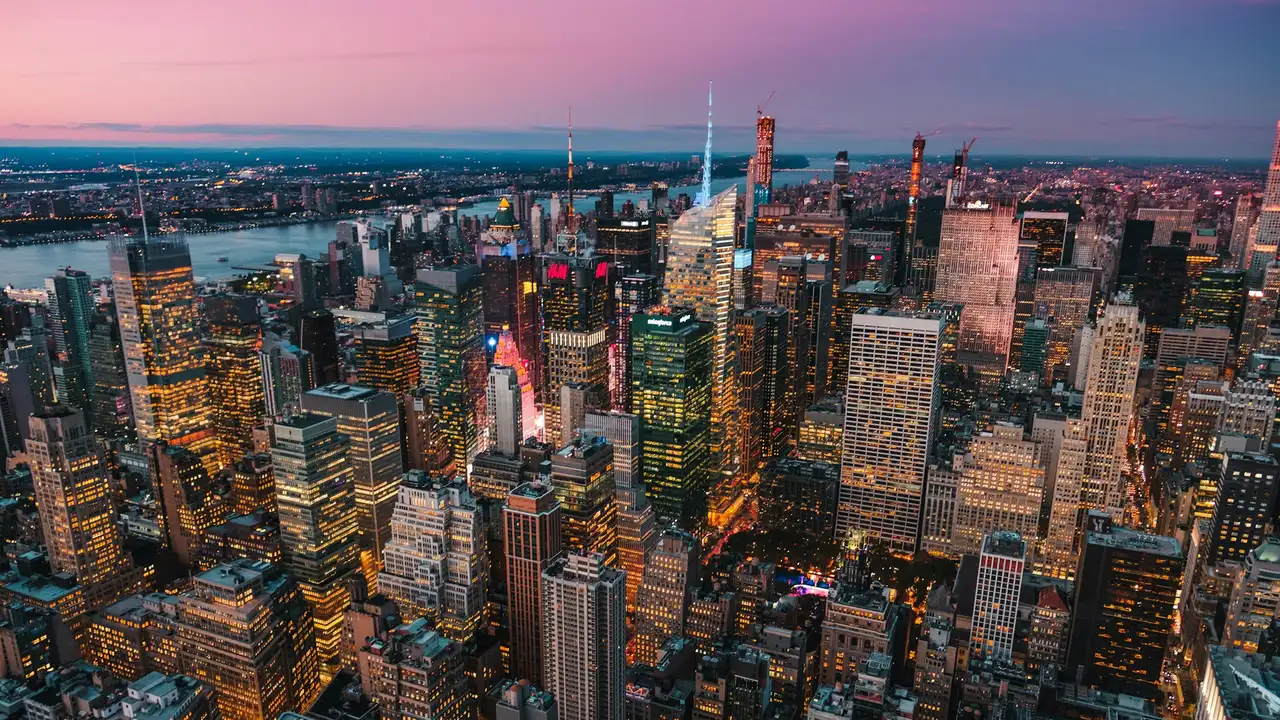
New York City Mayor Zohran Mamdani has targeted the city's economic elite in a bid to curb soaring living costs, focusing first on Manhattan's "ghost towers." Announced last April and officially taking effect on July 1, 2026, the new pied-a-terre tax imposes a levy on secondary luxury homes not designated as primary residences. Despite ongoing legal challenges, ultra-wealthy property owners are expected to make their first tax payments to the city in the near future.
Impact on the Luxury Rental and Sales Markets
The initial tax bills are scheduled to appear on property tax statements due on January 1, 2027, with valuation thresholds set at USD 5 million for private homes and USD 1 million or more for condos and co-ops. However, the policy has coincided with historically low vacancy rates and rising federal interest rates, driving Manhattan rental prices to new highs as affluent buyers opt to lease luxury apartments instead of purchasing them. According to data from the Real Deal Report, average luxury rental prices surged 35% to USD 17,464 per square meter, while average rents for standard residents jumped 15% year-over-year to USD 6,306 per month.
Brokers report that monthly rents exceeding USD 100,000 have doubled compared to 2025, becoming the new normal. Laura Klein of the Bespoke real estate firm noted that inventory is tight and elite clients refuse to compromise, pointing to a recent Chelsea penthouse lease transaction finalized at USD 177,000 per month. Conversely, luxury sales prices are dropping as sellers price properties below market value to offset the new tax burden. Luxurypricedrops.com data highlights significant price adjustments, including a Park Avenue apartment selling for USD 995,000 against an initial asking price of USD 2.5 million, and Fifth Avenue properties selling for USD 1.5 million and USD 1.6 million after being listed at significantly higher rates.
The Rise of Ultra-Luxury Renting Among Millionaires
New York City houses the largest concentration of millionaires in the USA, and the trend toward renting rather than buying is accelerating. Beyond Mamdani's tax policy, market analysts point to financial flexibility, capital preservation for higher-yield investments, and freedom from property ownership responsibilities as key drivers. A report published by RentCafe indicates that the number of millionaire households preferring to rent rather than buy has nearly tripled since 2020. New York and its suburbs currently host 7,296 wealthy renter households, representing a 167% surge compared to 2020 and quadrupling the figures recorded in San Francisco.
The Phenomenon of Manhattan's Billionaires' Row
The catalyst for Mamdani's tax initiative was the phenomenon of "ghost towers" along Manhattan's Billionaires' Row, situated along 57th Street south of Central Park. These pencil-thin skyscrapers feature multi-million-dollar price tags, yet nearly half of the apartments across the seven tallest residential towers remain vacant most of the year. Notable structures include Central Park Tower, completed in 2020 and standing 470 meters tall as the Western Hemisphere's tallest residential building, and 111 West 57th Street, the world's narrowest skyscraper at a 1:24 width-to-height ratio above the Steinway Hall.
Additional landmarks include One57, completed in 2014 at 306 meters, which has suffered from high vacancy rates due to anonymous purchases via international shell companies. Prominent buyers across these towers include tech executives Michael Dell and Bill Ackman, as well as Hong Kong textile billionaire Silas Chou. A notable exception is 220 Central Park South, which stands as New York's most successful and expensive residential building. Featuring zero inventory and long waiting lists, its buyers—such as Citadel founder and CEO Ken Griffin, who purchased four floors for a record USD 238 million—utilize their properties as permanent or semi-permanent residences rather than passive financial assets.
Global Parallels and Fiscal Outlook
A similar trend has unfolded in London, where international elites favor renting to maintain mobility and avoid the UK's updated stamp duty on high-value properties. Knight Frank data shows that luxury rentals priced at GBP 5,000 per week rose 17% last year in prime neighborhoods like Mayfair, Belgravia, Knightsbridge, and Kensington. While policymakers in New York anticipate generating approximately USD 500 million annually from the new tax, market observers question whether the initiative will fully achieve its revenue goals or simply encourage affluent investors to channel their capital outside local jurisdictions.