Western Negev Allocates Emergency Funds to Combat Spreading Rodent Infestation
An escalating rodent infestation in the western Negev has spread from farmlands into residential areas and schools, prompting authorities to secure two million shekels in emergency funding.
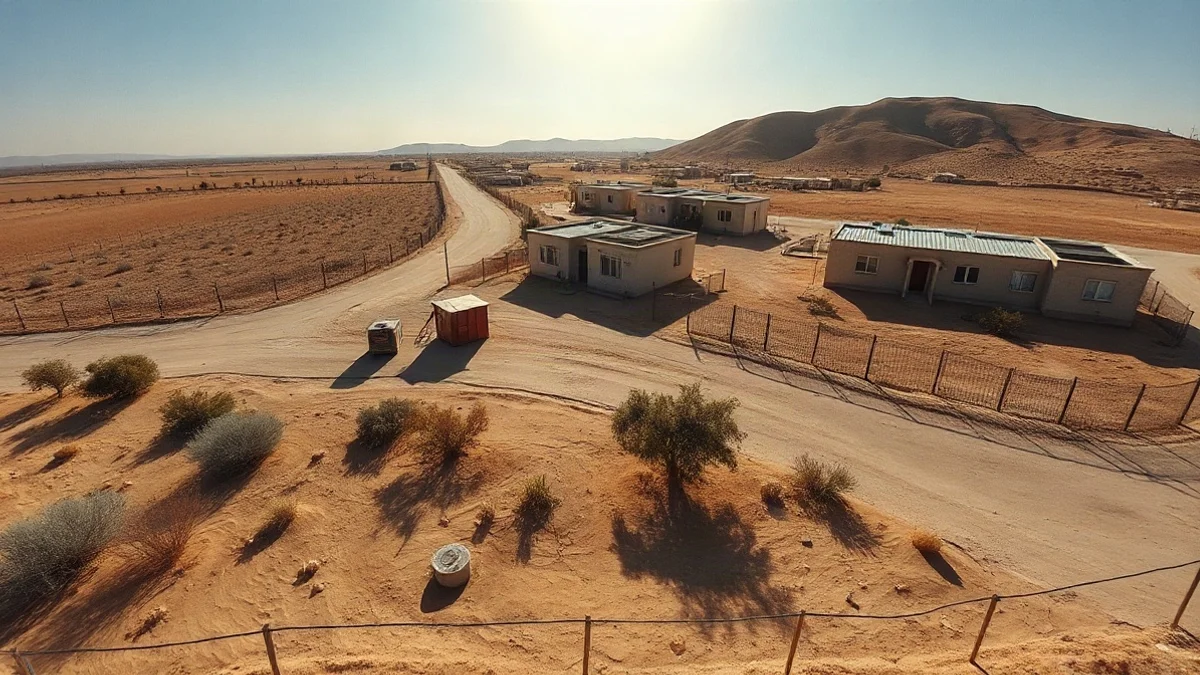
A severe rodent infestation originating in agricultural fields has spread directly into residential communities and educational facilities across the western Negev, prompting authorities to allocate emergency funding. In several cases, the proliferation of rodents has forced the temporary closure of local educational institutions, raising public health concerns among residents and regional councils.
Emergency Funding and Inter-Agency Action
In response to urgent warnings from local leadership, the National Emergency Management Authority (NEMA) has secured an additional two million shekels from the Ministry of Defense to combat the phenomenon. The funding mechanism was finalized following joint assessments with regional authorities and government ministries, with work orders already issued to designated suppliers through the Ministry of Agriculture.
Regional councils, including Sdot Negev and Sha'ar HaNegev, repeatedly sounded the alarm after receiving numerous complaints about rodents infiltrating populated areas and residential perimeters. Bella Alexandrov, CEO of the Western Negev Regional Cluster, warned in a late-September letter that the pests move freely across open spaces, farmlands, and built-up communities without respecting administrative boundaries.
Expanding the Scope of Intervention
Local authorities have emphasized that government countermeasures must extend beyond designated rehabilitation zones to encompass the entire western Negev region. Alexandrov stressed that treating only agricultural origins is insufficient to safeguard public health within residential neighborhoods.
"The rodents do not stop at regional borders. The response must include the entire area, combining treatment at the source of the infestation with the protection of residents' health inside the communities," Alexandrov stated.
This two-million-shekel allocation builds upon a previous one-million-shekel package distributed in September by the Ministry of Agriculture and Food Security alongside the Tkuma Directorate for agricultural field treatments. Regional authorities are now working to ensure that the expanded financial backing directly targets infestation hotspots within towns and near schools, urging sustained coordination among all government ministries.