IDF Central Command Seeks Regularization Framework for West Bank Farms
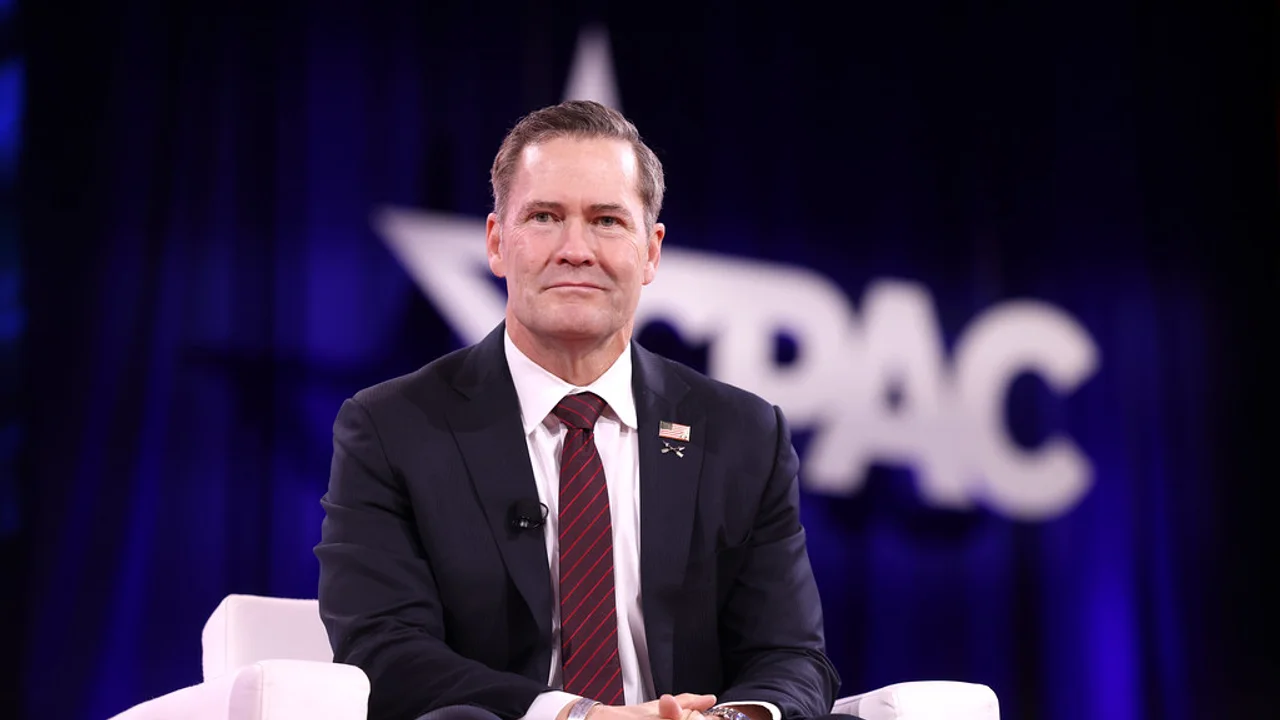
IDF Central Command chief Avi Bluth is advancing talks with legal authorities to regularize agricultural farms in Judea and Samaria, establishing clear criteria to distinguish coordinated security assets from unauthorized outposts.
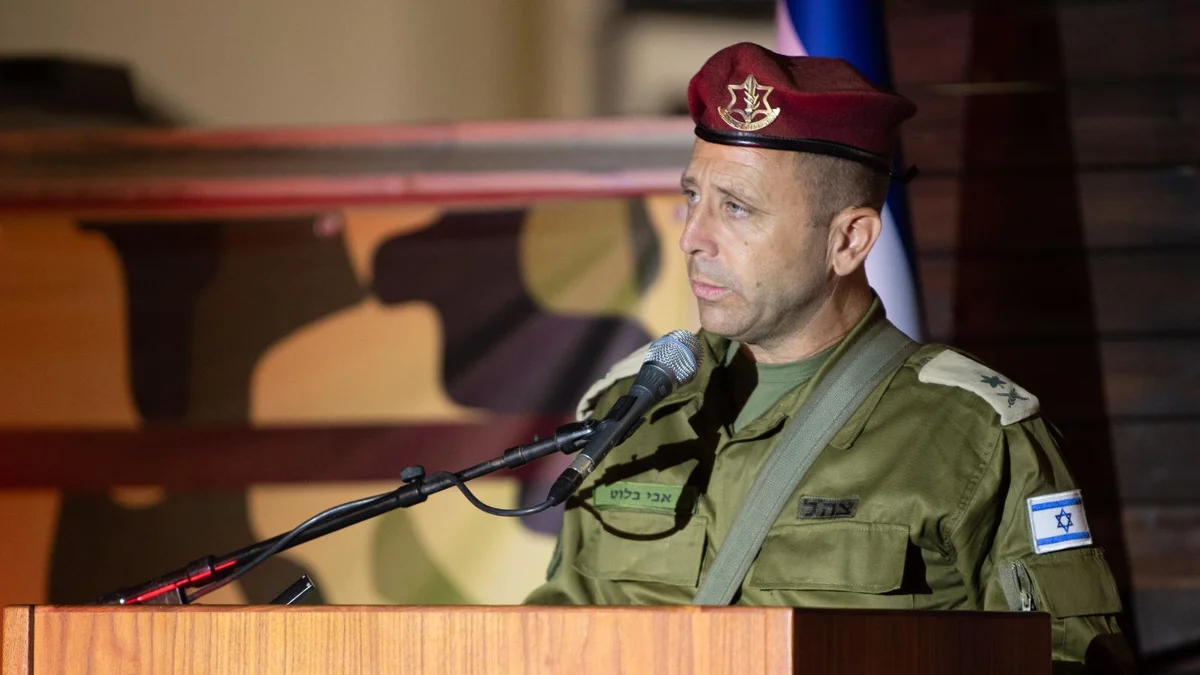
Head of the IDF Central Command, Major General Avi Bluth, has held discussions with the Attorney General's Office in recent months to advance the regularization of agricultural farms in Judea and Samaria. Bluth seeks to establish clear rules defining the conditions under which a farm can operate legally, enabling authorities to distinguish between farms operating in coordination with security forces and unauthorized outposts.
The initiative addresses a complex legal reality: some farms operate in coordination with the military and receive security equipment, yet the status of their structures remains unregulated. For instance, a farmer may receive authorization to graze in a designated area, while the residential dwelling still lacks a building permit. These are separate procedures—one regulates land use, while the other governs construction.
Strategic Defense Role
The expansion of these farms in recent years has influenced the Central Command's defense doctrine. Alongside protecting communities and transit routes, the IDF must provide security in open areas where farmers operate. Military officials view coordinated farms as security assets due to their permanent presence in remote areas and their ability to detect unusual activity.
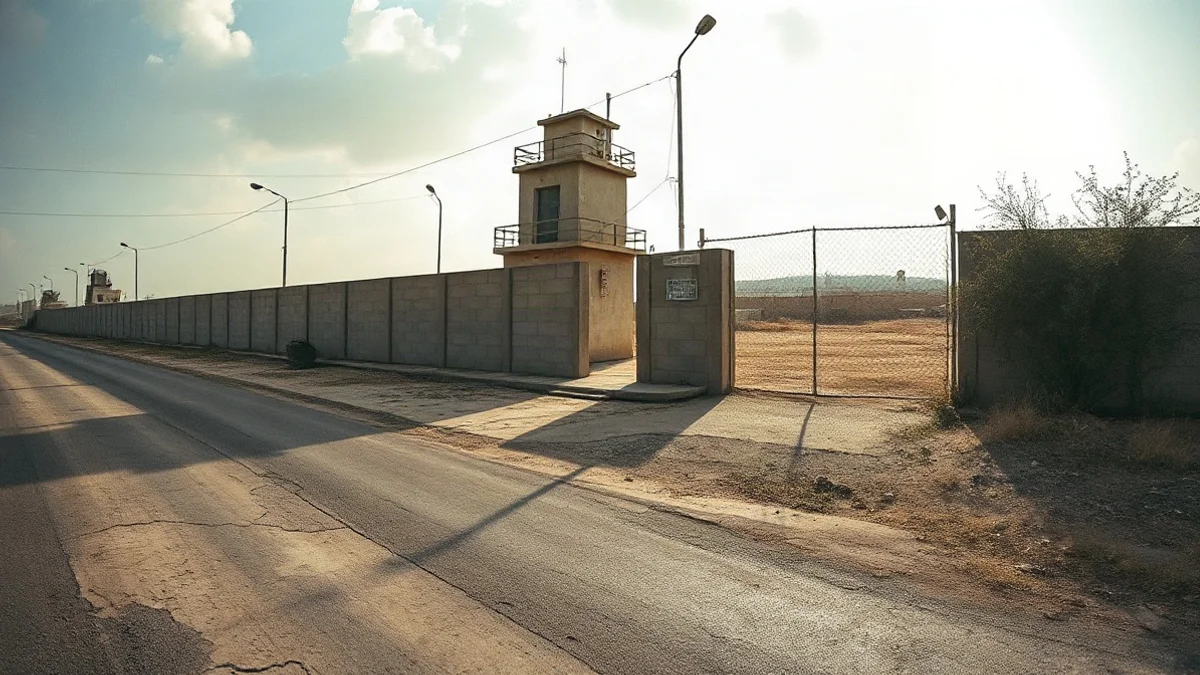
For example, the military highlights security outposts along the eastern border as an additional warning layer against smuggling. In the South Hebron Hills, officials attribute importance to the farm deployment, stating it aids counter-terrorism efforts. In meetings with settlement leaders, Bluth praised farms cooperating with the IDF, stating that shaping the terrain contributes to regional stabilization.
Distinguishing Farms from Outposts
A primary challenge the initiative aims to resolve is the lack of clear differentiation between authorized farms and unauthorized outposts. Without regulated status, new unauthorized points can be branded as farms, blurring the line between coordinated agricultural activity and illegal settlement creation. Bluth emphasized that unauthorized outposts do not receive security components or military cooperation, stating that actions conducted outside the law undermine national security.
Political and Legal Framework
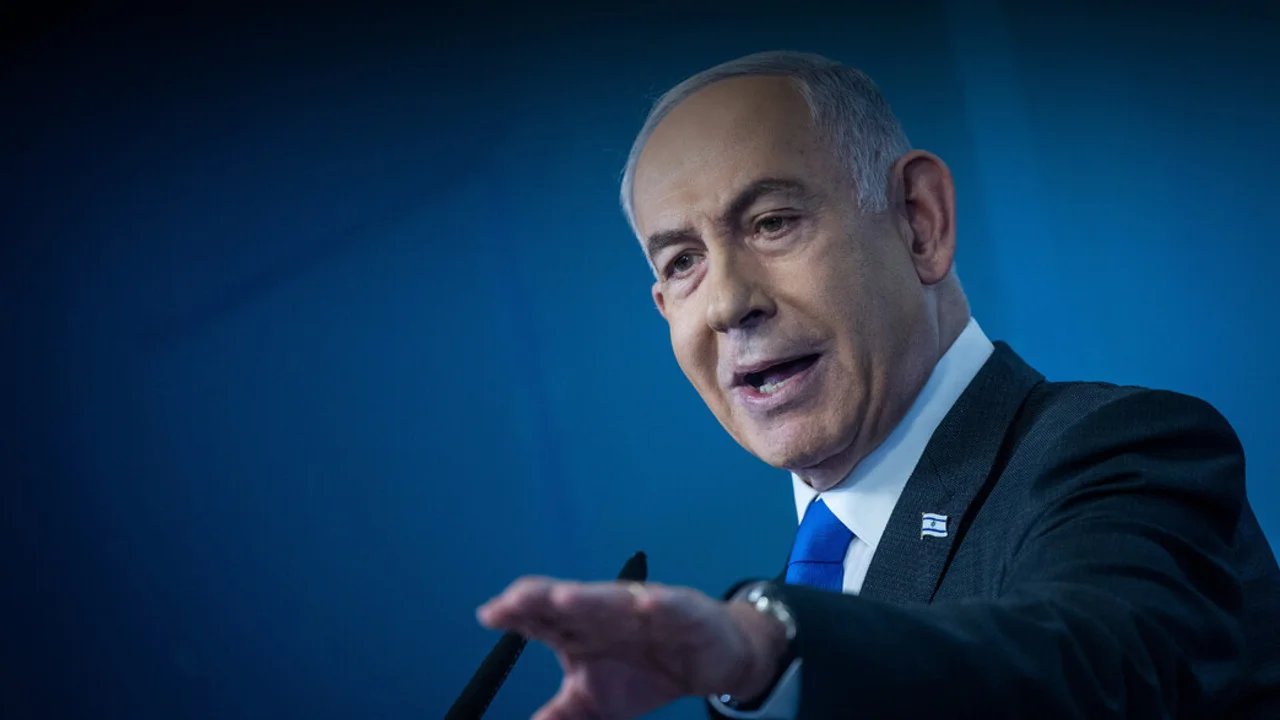
The political leadership is also advancing the issue. In December 2025, Prime Minister Benjamin Netanyahu supported accelerating regularization procedures. In August, during a discussion convened by Defense Minister Israel Katz, Bluth expressed support for establishing and regularizing farms in appropriate areas, subject to legal planning and security approval.
Beyond security aspects, Bluth views agricultural presence in Area C as a component in preserving Israeli control over the territory. However, the ultimate test of regularization will remain practical and legal: determining which agricultural structures can be approved, whether residential dwellings can be included, and when expansions cross the line into establishing new settlement points.