Weight-Loss Injections Show Comparable Heart Benefits in New Studies
Recent studies comparing weight-loss injections tirzepatide and semaglutide show similar cardiovascular outcomes in the first year, while tirzepatide demonstrates a potential reduction in heart failure risk.
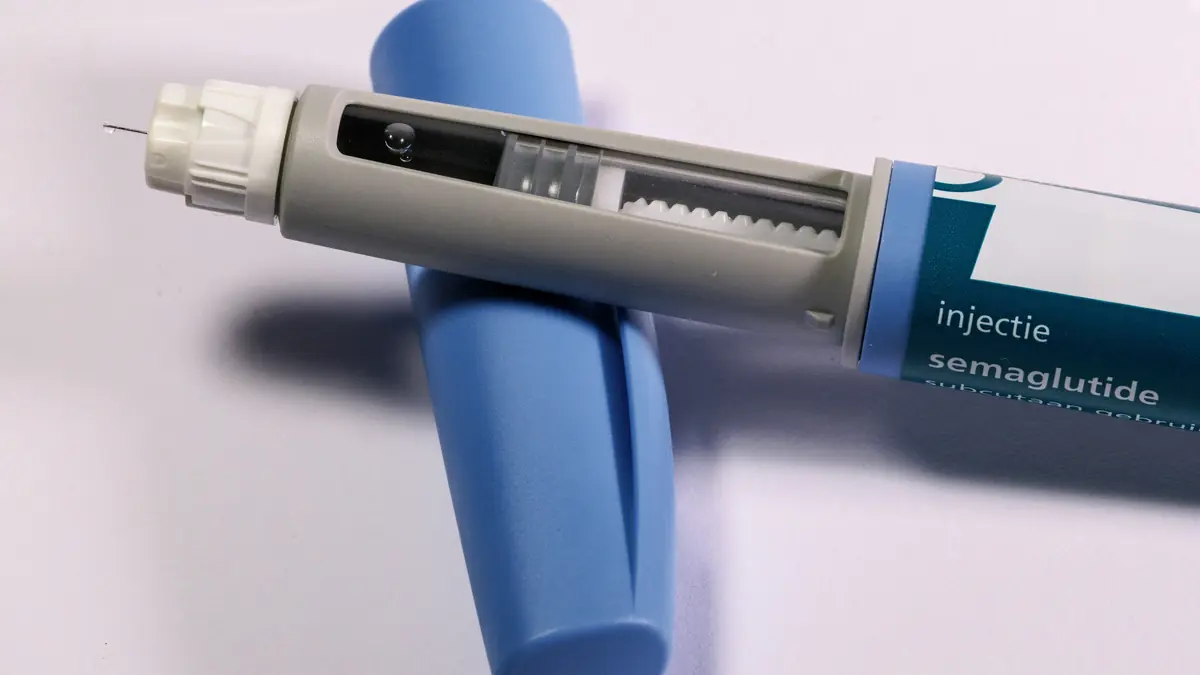
Recent clinical data comparing weight-loss injections such as tirzepatide and semaglutide reveals new insights into their cardiovascular effects. While both medications deliver significant weight loss and glycemic control, their impact on heart health requires careful medical evaluation.
A study published in Nature Medicine by Harvard Medical School researchers analyzed insurance data from nearly 300,000 patients with type 2 diabetes and obesity between 2018 and 2025. The findings showed that major adverse cardiovascular events during the first year stood at approximately 1.3% for both tirzepatide and semaglutide, with no statistically significant difference between the two treatments.
A second study published in the European Journal of Preventive Cardiology investigated tirzepatide's role in preventing heart failure among individuals with obesity. Utilizing the TriNetX international database, researchers compared over 190,000 patients treated with tirzepatide against a control group, revealing a 47% lower risk of new-onset heart failure over a one-year follow-up period.
Practical Steps for Heart Health
Medical experts emphasize that weight-loss injections should complement, rather than replace, a comprehensive health regimen. Patients are advised to maintain active cardiovascular monitoring and lifestyle modifications:
-
Track key risk factors regularly, including blood pressure, LDL cholesterol, and blood sugar levels.
-
Maintain existing cardiac medications unless explicitly advised otherwise by a physician.
-
Incorporate regular physical activity, quality sleep, and a balanced Mediterranean diet.
-
Consult a cardiologist before initiating new treatments, particularly for patients with a history of heart disease.