Republican Midterm Defeat Sparks Debate Over JD Vance's 2028 Presidential Bid
The Republican midterm defeat has forced U.S. Vice President JD Vance to reassess his political future and potential 2028 presidential run amid shifting alliances and donor concerns.
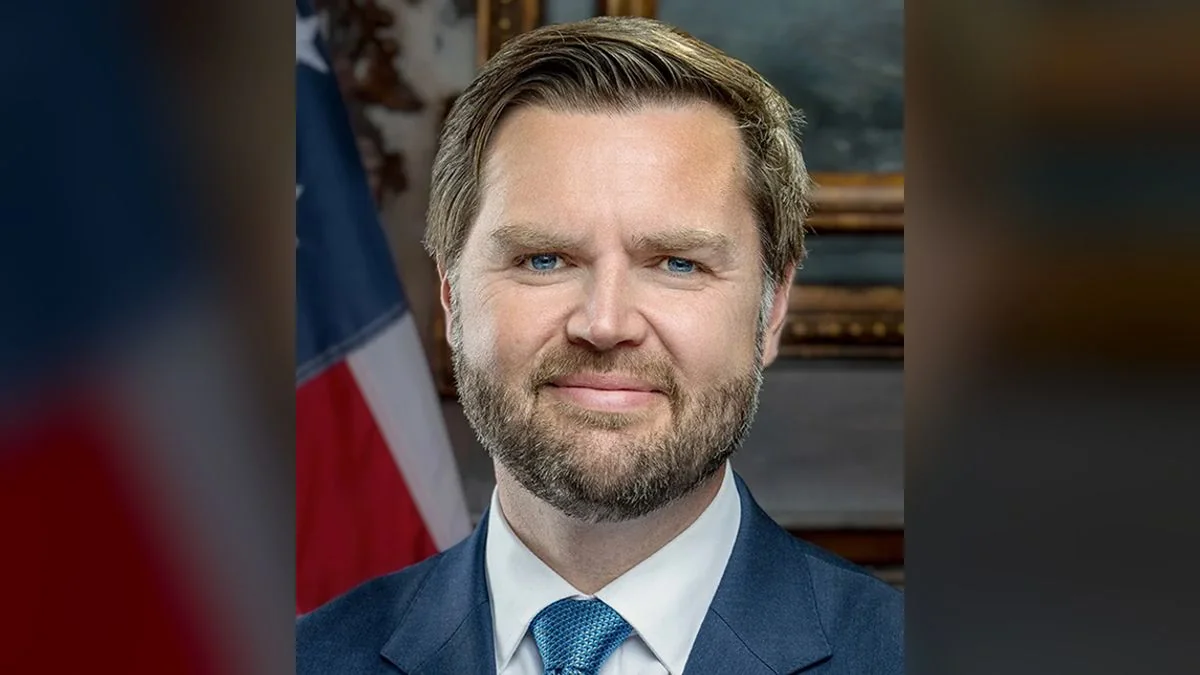
The Republican defeat in the midterm elections has significantly altered the political calculations surrounding the future of U.S. Vice President JD Vance. According to a report by The Wall Street Journal, Vance and his aides are now grappling with a question that once seemed much more distant: whether it is even worth launching a presidential bid in two years.
Some of Vance's political allies have told him they no longer believe any Republican candidate can win the presidency in two years. According to six people close to the vice president, both before and after the elections, Vance told associates that he has not yet decided whether to run.
The dramatic election results have reshaped the political landscape in the United States. Democrats flipped seven Republican Senate seats, including the seat in Ohio previously held by Vance, and captured governorships in states previously considered conservative strongholds, such as Georgia and Texas.
Shifting Political Coalition
The political coalition Vance would rely on if he decides to run is also in question. Hispanic voters are increasingly leaning toward Democrats, while Republicans opposed to foreign military involvement are frustrated with an administration that promised to avoid new wars.
Within a day of the elections, a veteran New York fundraiser began receiving calls from wealthy donors expressing a unified view: they cannot support Vance as a presidential candidate in 2028. Instead, some floated Florida Governor Ron DeSantis and other figures as potential alternatives.
Donors fear that a candidate from within the administration will be too closely tied to Donald Trump and will bear the political damage of the midterm defeat. Some expressed frustration that Vance failed to help Republicans retain his home state of Ohio.
Debating the Impact of Foreign Policy
Not all of Vance's allies view the election results as a rejection of Trump himself. Two people close to the vice president argued that the losses do not indicate a loss of support for the president, but rather a backlash against the conflict in Iran.
In the wake of the vote, Vance attempted to explain the results on social media, blaming the war for the Republicans' weak performance and calling on the party to re-evaluate its relationship with Israel. Washington observers viewed his remarks as an initial step to distance himself from unpopular policies while keeping his presidential ambitions alive.
Despite the obstacles, the vice president still enjoys significant advantages over other potential 2028 contenders. His position in the White House provides broad public exposure, and he consistently leads in early polls against other potential party rivals, backed by influential figures such as Donald Trump Jr.
President Trump has consistently refrained from officially anointing Vance as his successor, stating that he does not yet know who will run. Meanwhile, Vance continues to cement his status within the party by chairing the finance committee of the Republican National Committee and leading administration anti-fraud initiatives.