Israel Weighs 1.5% Vacant Land Tax to Boost Housing Supply and Revenue
Israel is weighing a 1.5% vacant land tax to boost housing supply and cover budget deficits, alongside a potential purchase tax reduction for second homes.
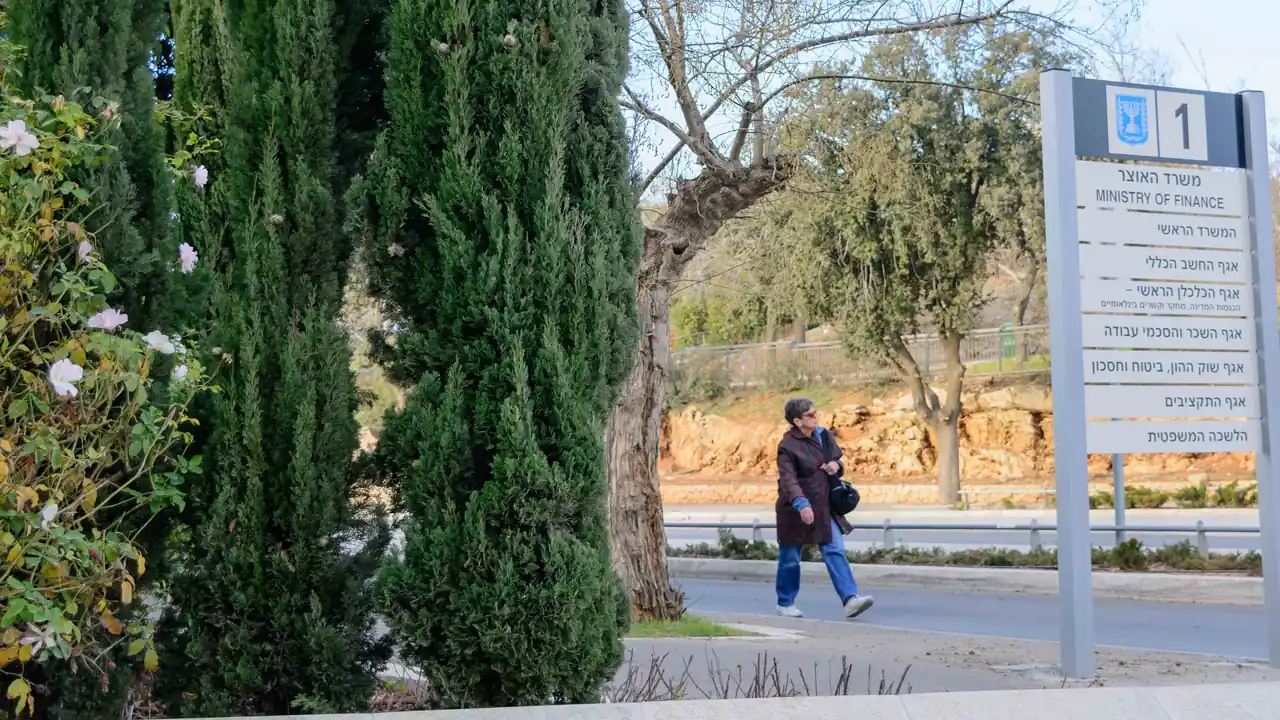
The Tax Authority of Israel is reviving discussions on imposing a 1.5% vacant land tax to address mounting budgetary challenges for 2027-2028 and expand the housing supply by compelling landowners to build or sell.
Speaking at a real estate conference, Tax Authority Director Shay Aharonovich stated that the vacant land tax proposal was nearly passed during recent Economic Arrangements Law deliberations before legislative work was interrupted. He emphasized that future fiscal pressures will likely force policymakers to reconsider the measure to generate billions in state revenue.
While the Tax Authority supports the levy as an effective fiscal tool, the agency also aims to lower the purchase tax on second apartments from 8% to 5%. However, Aharonovich warned that ongoing political uncertainty and potential elections could delay this planned tax reduction.
Industry experts at the conference also discussed broader housing market bottlenecks. Arbel Altshuler noted that urban renewal projects require a projected profitability threshold of at least 18% for developers to absorb rising construction costs, while Chief Government Appraiser Gil Balulu announced plans to institutionalize betterment levies within urban renewal standards to increase market certainty.