US Strategic Moves in South Caucasus Aim to Encircle Iran and Sever Russia Ties
Recent US strategic moves in the South Caucasus, including the Zangezur corridor agreement with Armenia and a new task force, have sparked concern in Ankara and Tehran over efforts to encircle Iran and cut supply routes to Russia.
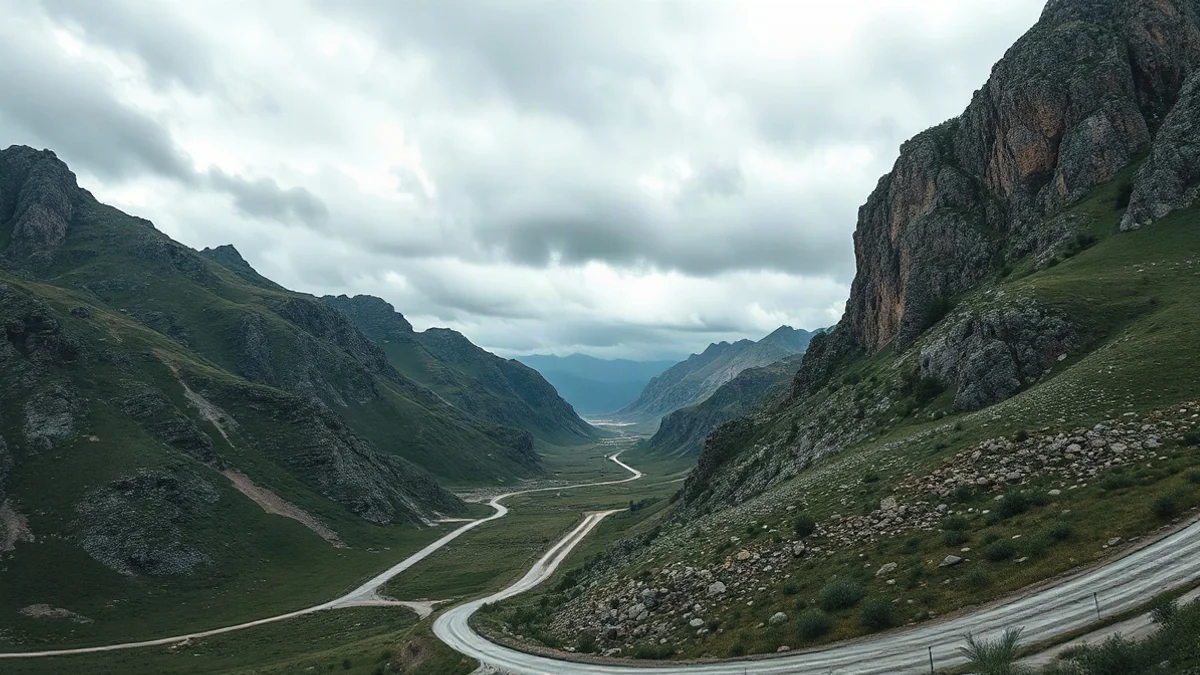
Recent geopolitical developments in the South Caucasus and the Caspian Sea basin have sparked growing concern in Ankara and Tehran. According to an analysis published on X by retired Turkish Admiral Cem Gürdeniz, a series of three recent events highlights a concerted American effort to tighten a strategic blockade around Iran from the north and sever its supply routes to Russia.
The first development occurred on October 28, 2026, when the Armenian parliament approved a framework agreement with the United States regarding the Trump Corridor project along the Zangezur route. Under the agreement, the American side will hold a 74 percent stake in the joint venture established to develop the project, with an initial operation and development period set for 49 years. This move triggered a sharp response from Tehran. On November 5, senior Iranian official Ali Akbar Velayati issued a direct warning, stating that if Trump and his allies attempt to cross Iran's red line, their legs will be broken.
Just two days later, on November 7, the United States Central Command announced the establishment of a dedicated task force named Iron Gate, comprising approximately 20 personnel. The mission of this unit is to curb the transfer of weaponry, sanctioned technology, and goods through Iran's land borders and the Caspian Sea. Gürdeniz argues that Washington aims to sever the strategic logistical link between Russia and Iran. However, he notes that the Caspian Sea remains closed to Western warships and its shores are controlled by Russia and Iran, meaning that imposing a blockade via a 20-person staff unit exposes the limitations of American hegemony. Lacking the ability to enforce a naval blockade, the United States is working to complete its encirclement from land via the South Caucasus and Turkmenistan.
Beyond securing a permanent foothold north of Iran, the move is designed to exert geopolitical pressure on Russia's transport corridors and China's Belt and Road Initiative. In Turkey, voices are now calling for a reassessment of national policy. Although Ankara had accepted American influence in the corridor prior to the outbreak of conflict between the United States and Iran, conditions on the ground have fundamentally changed. Gürdeniz warns that unconditional support for the Trump Corridor, which could serve the containment strategy of the US-Israel axis against Iran, risks causing severe damage to Turkey's relations with Tehran, Moscow, and Beijing.