US Polling Data Highlights Republican Foreign Policy Debates and Electoral Shifts
Recent US polling reveals shifting Republican perspectives on foreign policy and strong public backing for Israel, while showing favorable electoral potential for Marco Rubio.
A nascent ideological debate within the United States Republican Party highlights shifting perspectives on foreign policy, with some figures questioning Washington's traditional alliances. Vice President-elect JD Vance recently suggested that the party could broaden its support base by adopting a more isolationist approach and limiting foreign commitments, including ties with Israel. Conversely, mainstream party defenders argue that bilateral cooperation remains essential, asserting that joint security decisions stem from shared strategic interests rather than outside influence.
Polling Data and Electorate Divides
Recent comprehensive polling data published by Echelon Insights illustrates a stark ideological divide between the political parties regarding international relations. Among Democrats, particularly within the progressive wing, sentiment toward both the United States and Israel remains deeply critical, recording negative net favorability ratings while showing overwhelmingly positive figures for nations like Canada. In contrast, Republican respondents display robust domestic patriotism coupled with favorable views toward strategic partners.
Republican voters registered positive ratings for Israel alongside strongly negative assessments of adversary states such as China, Russia, and Iran. Analysts note these findings refute claims by anti-Israel isolationists that the public will abandon conservative candidates over foreign partnerships, as the electorate clearly distinguishes between democratic allies and geopolitical adversaries.
Electoral Prospects and Potential Contenders
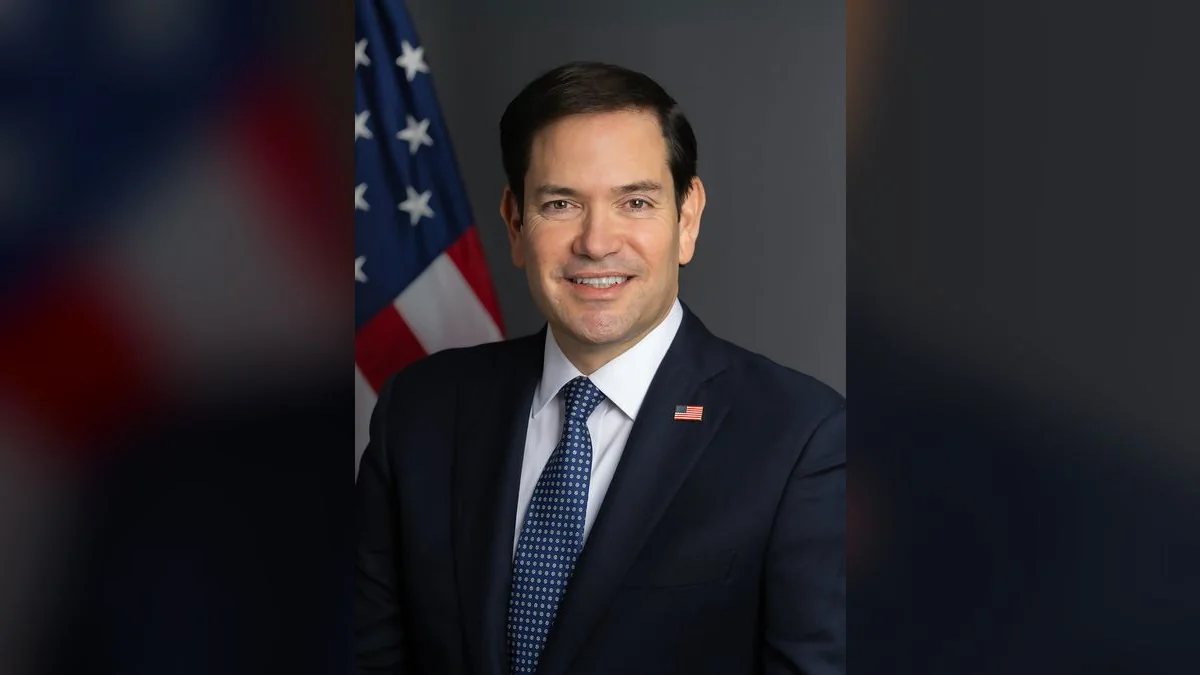
Data from OnPoint polls evaluate potential presidential contenders against Democratic figures, highlighting distinct advantages for certain conservative candidates. While Democrats maintain a lead following recent legislative gains, polling metrics indicate that Secretary of State Marco Rubio consistently outperforms Vance in hypothetical national matchups against prominent Democrats.
In head-to-head scenarios, Rubio trails narrower margins against opponents such as Kamala Harris and Alexandria Ocasio-Cortez compared to Vance. Furthermore, a poll by Emerson College reveals a significant shift in primary preferences among potential Republican voters, where Rubio leads with 36 percent support, ahead of Vance at 20 percent, Ron DeSantis at 7 percent, and Donald Trump at 7 percent.
This marks a notable departure from previous polling cycles where Vance held a commanding lead. Although Rubio has previously indicated he does not intend to seek the presidency in the upcoming cycle, changing voter sentiment and surging support may encourage the staunchly pro-Israel diplomat to reconsider his political future.