US Military Warns Readiness Risks as Iran Weighs Hormuz Convoy Challenge
US Central Command warns that extended military deployments risk degrading force readiness as Iran weighs challenging the US naval blockade in the Strait of Hormuz amid collapsing oil exports.
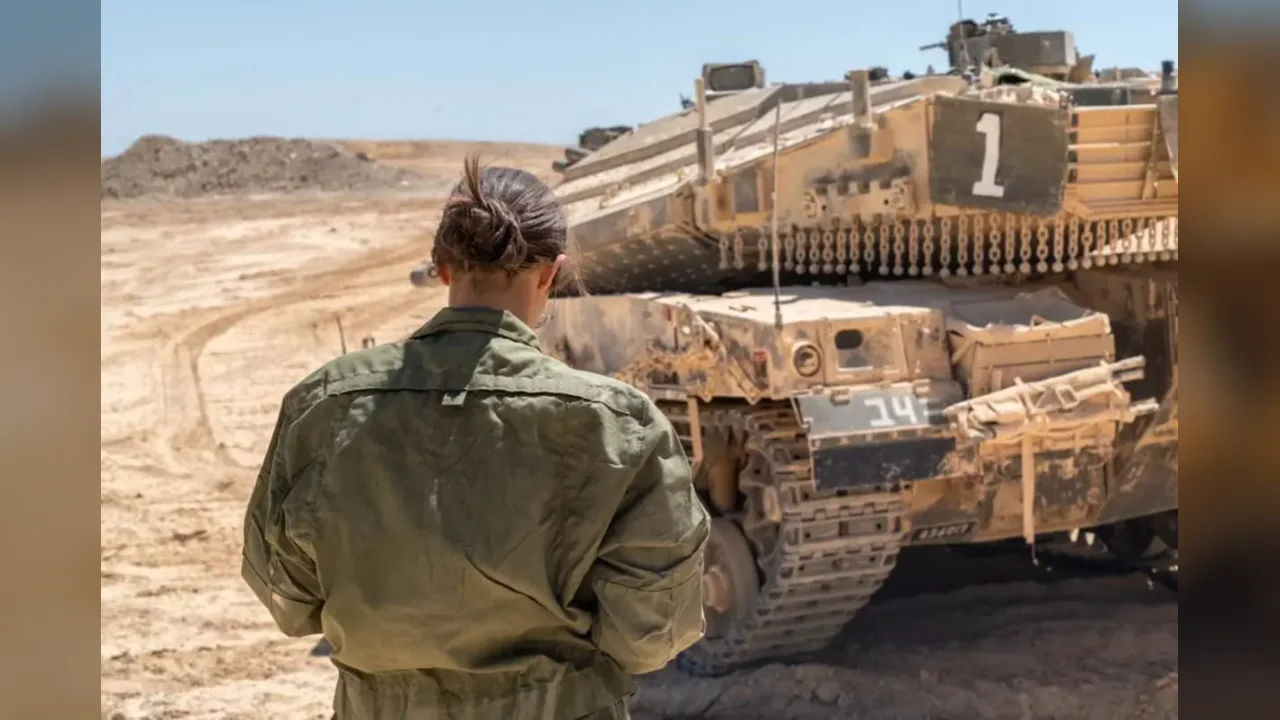
US Central Command has warned American officials that sustaining the broad military deployment past December could erode the operational readiness of US forces, according to assessments reviewed by international media. Military planners in Washington are also factoring in the possibility that the newly seated Congress, led by Democrats, could slash defense spending and intensify oversight of overseas military operations, particularly regarding ongoing tensions with Iran.
An official familiar with the matter indicated that Central Command has informed the administration that time is running short, pointing to mounting financial costs and the degradation of combat readiness, including the capacity to address global threats elsewhere. Meanwhile, some US officials are pressing President Donald Trump to take decisive action against Tehran, while others argue that the maximum economic pressure campaign is already inflicting severe damage on the Iranian economy, obviating the immediate need for major military intervention. US officials emphasize that all options remain available to the president to prevent Iran from acquiring nuclear weapons.
Iranian Plans in the Strait of Hormuz
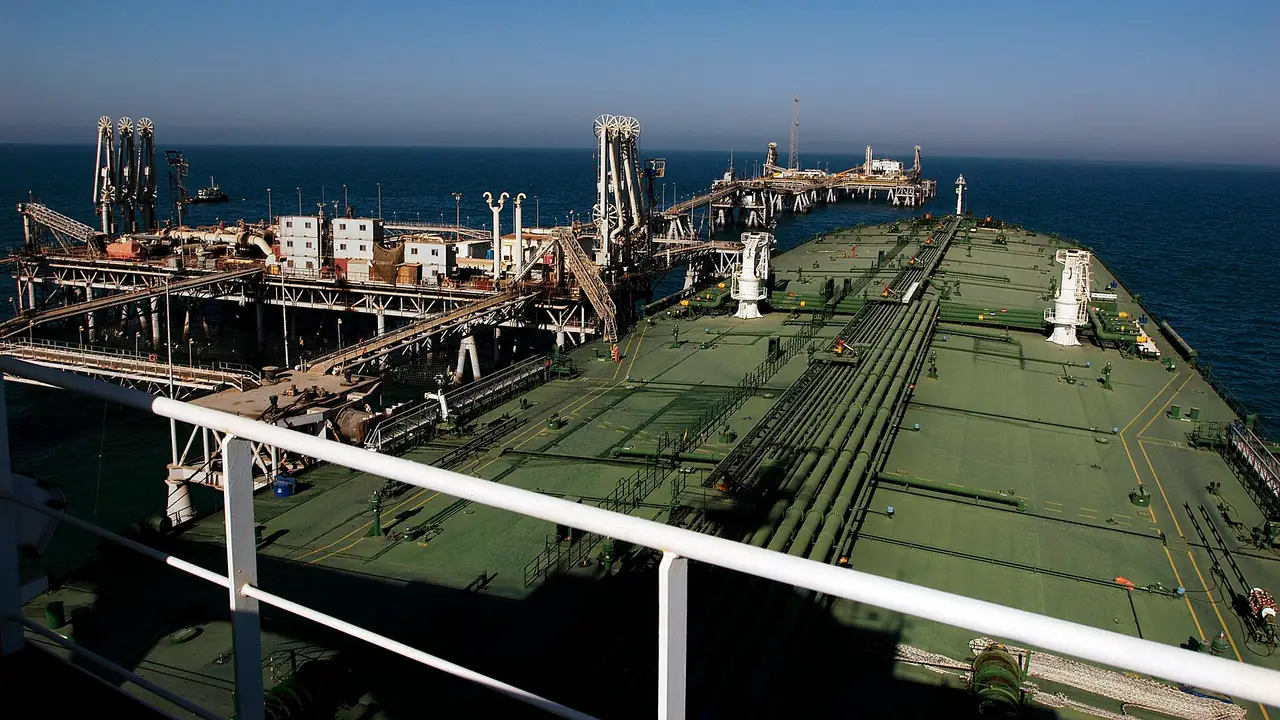
Facing a crippling maritime blockade that threatens to reduce crude oil and condensate export revenues to zero by mid-December for the first time in the nation's history, hardline factions in Tehran are mobilizing to challenge the US naval cordon. Energy intelligence firm Kpler reported that approximately 20 tankers remain anchored near Kharg Island, Iran's primary oil export terminal, after loading cargo while awaiting clearance to sail. In one instance on November 17, an Iranian crude carrier was tracked transferring its cargo to another vessel, reportedly a ship typically utilized for transporting Russian fuel oil.
Proposals circulating among Iranian strategists and supported by state-aligned media outlets involve deploying a convoy of oil tankers through the Strait of Hormuz. The plan includes explicit threats to target critical energy infrastructure across the Persian Gulf region—specifically naming facilities in Qatar, Saudi Arabia, and the United Arab Emirates—should the US military attack the Iranian vessels.
Escalating Rhetoric and Blockade Timeline
Senior figures have signaled growing impatience with the status quo. During a gathering in Tehran, Islamic Revolutionary Guard Corps spokesperson Hossein Mohebbi declared that the country will no longer tolerate the ongoing maritime, land, and air blockade.
"We will not allow the continuation of the blockade imposed on our country. We will open the route and raise the price of closing it to a level where logic dictates that the other side keeps it open."
The United States first imposed a naval blockade on Iranian ports on April 13 following the collapse of talks in Islamabad, lifting it temporarily on June 18 under a memorandum of understanding signed a day prior. Following the unraveling of that agreement, Washington reinstated the blockade on July 14. In total, Iranian ports have remained under blockade for approximately 195 days, including 129 consecutive days of enforcement.