Trump and Netanyahu Agree to End US Military Aid by End of Year
Israel faces a severe fiscal crisis as the US plans to halt military aid by the end of the year, threatening a 24 billion shekel budget gap and pushing debt-to-GDP ratios higher.
The most urgent economic task for Israel's next government will be reducing the debt-to-GDP ratio despite soaring defense expenditures, in order to rebuild the economy's fiscal buffers. A low debt-to-GDP ratio grants the government the flexibility to support the private sector during crises through increased public spending.
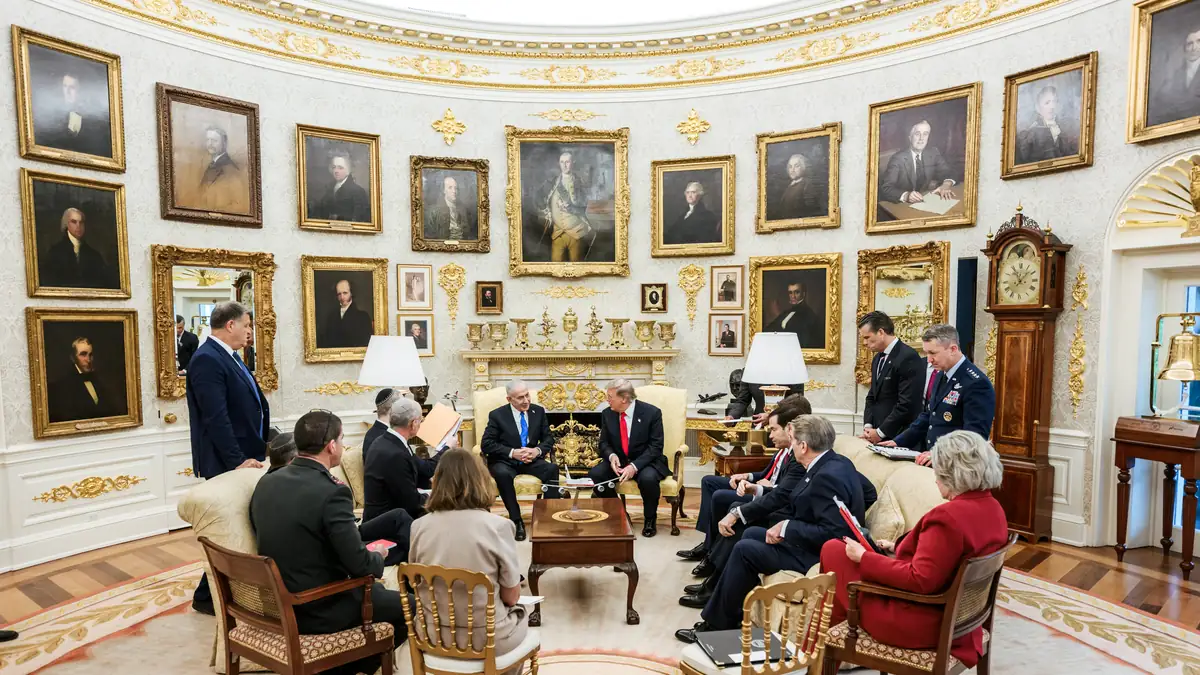
This week, it became evident that this task will become significantly more complex. US President Donald Trump delivered an additional blow by announcing his agreement with Prime Minister Benjamin Netanyahu to terminate US military aid, amounting to 3.8 billion dollars annually, by the end of the current year rather than the end of 2028 as originally planned.
The Ministry of Finance, which based its budgetary forecasts on the continuation of aid through 2028, will now need to plug an additional fiscal hole of approximately 24 billion shekels over the next two years. Government officials warn that without the aid, increasing reliance on the domestic market will trigger a wave of price hikes and the migration of civilian engineers to the defense sector.
Bank of Israel Governor Prof. Amir Yaron estimated that if the IDF's 400 billion shekel force buildup plan is approved, Israel's debt-to-GDP ratio will surge to about 80 percent within a decade. Meanwhile, rating agency Fitch recently emphasized that the continuous rise in the debt-to-GDP ratio constitutes a core component of Israel's negative rating outlook.