Democrats Score Early Wins in US Midterms as Control of Congress Hangs in Balance
US midterm elections show early Democratic momentum with key Senate wins in North Carolina and Georgia, while control of both congressional chambers hangs in the balance as vote counting continues.
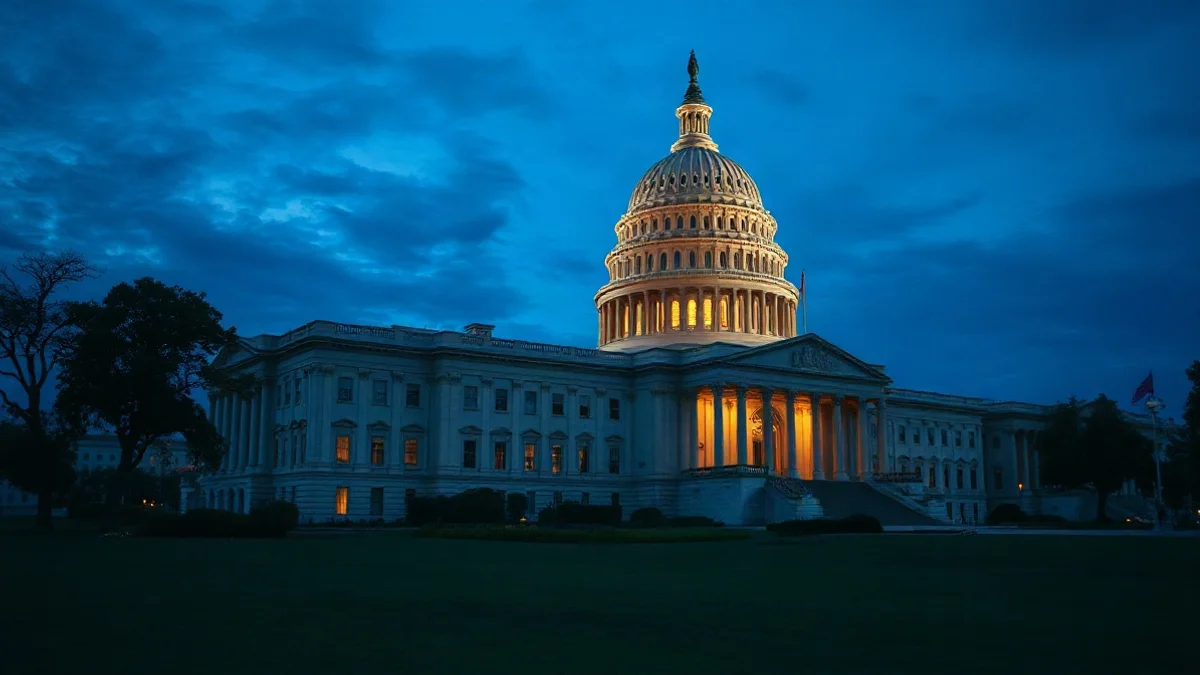
The United States midterm elections have entered their decisive opening phase as polls closed across numerous states, with early results beginning to reshape the political balance of power in Washington. According to projections from Fox News and the Associated Press, the Democrats scored a significant breakthrough in North Carolina, where former governor Roy Cooper won the Senate race, flipping a seat previously held by the Republicans.
Meanwhile, Senator Jon Ossoff secured victory in Georgia, and Chris Pappas ensured continued Democratic control of New Hampshire's congressional seat. Republicans managed to hold onto critical seats in Florida and Kentucky, while Democrats captured a long-standing Republican stronghold in the 11th congressional district of North Carolina. Despite these early outcomes, control of both houses of Congress remains undecided as ballots continue to be counted.
Current Standings in Congress
Under the current vote tallies in the US midterm elections, the Democrats lead in the number of decided seats in both chambers of Congress, though the race for legislative control is far from over. In the Senate, Democrats have secured 45 seats compared to 34 for the Republicans, with the magic number for a majority standing at 51. In the House of Representatives, the Democrats hold 69 seats against 29 for the Republicans, with a majority threshold of 218.
These figures reflect only the seats that have already been officially called rather than the final projected distribution for each party. Consequently, ongoing counts in competitive races could ultimately determine which party controls Capitol Hill during the final two years of President Donald Trump's term.
Key Battles and State Outcomes
The most dramatic development of election night unfolded in North Carolina, which played host to one of the most expensive and fiercely contested Senate battles in the country. Former Democratic governor Roy Cooper managed to defeat his Republican opponent, Michael Whatley, who enjoyed robust personal backing from President Donald Trump. Cooper's victory strips a crucial seat from the Republican Senate majority.
Concurrently, Democratic Senator Jon Ossoff successfully fended off a strong Republican challenge to retain his seat in Georgia, while New Hampshire reinforced the Democratic caucus in the upper chamber. On the other side of the aisle, the Republican Party secured expected but vital victories in its traditional strongholds of Florida and Kentucky, successfully halting any broader Democratic wave in those regions.
Implication for the White House
These early midterm results point to substantial momentum for the Democratic Party, directly threatening the legislative hegemony of the administration in Washington. The loss in North Carolina complicates efforts to maintain a comfortable margin in the Senate, while shifts in the House raise the distinct prospect that President Donald Trump may have to govern alongside an opposition-controlled chamber during the remainder of his term.