US Jewish Community Navigates Deepening Political Polarization and Shifting Alliances
American Jews face mounting challenges amid US political polarization and shifting bipartisan support for Israel. Dr. Yehuda Kurtzer warns that intense partisan division poses an existential threat to community norms, while security concerns rise following the Gaza conflict.

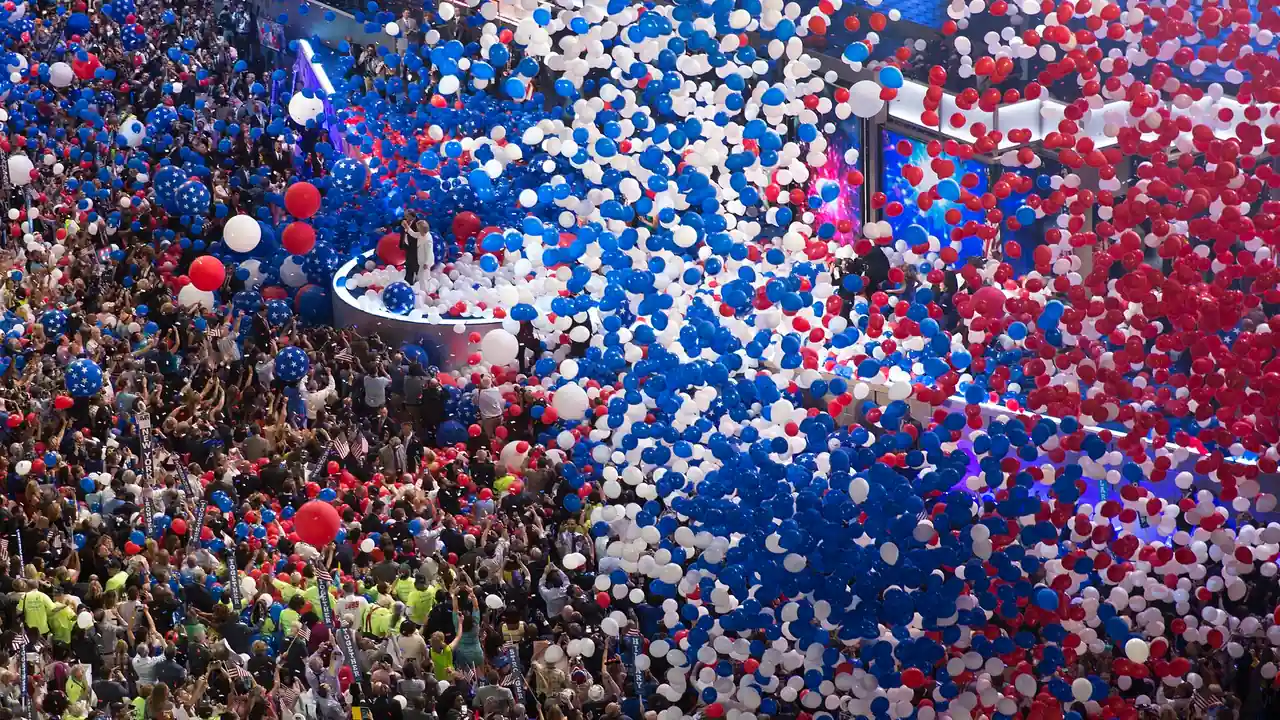
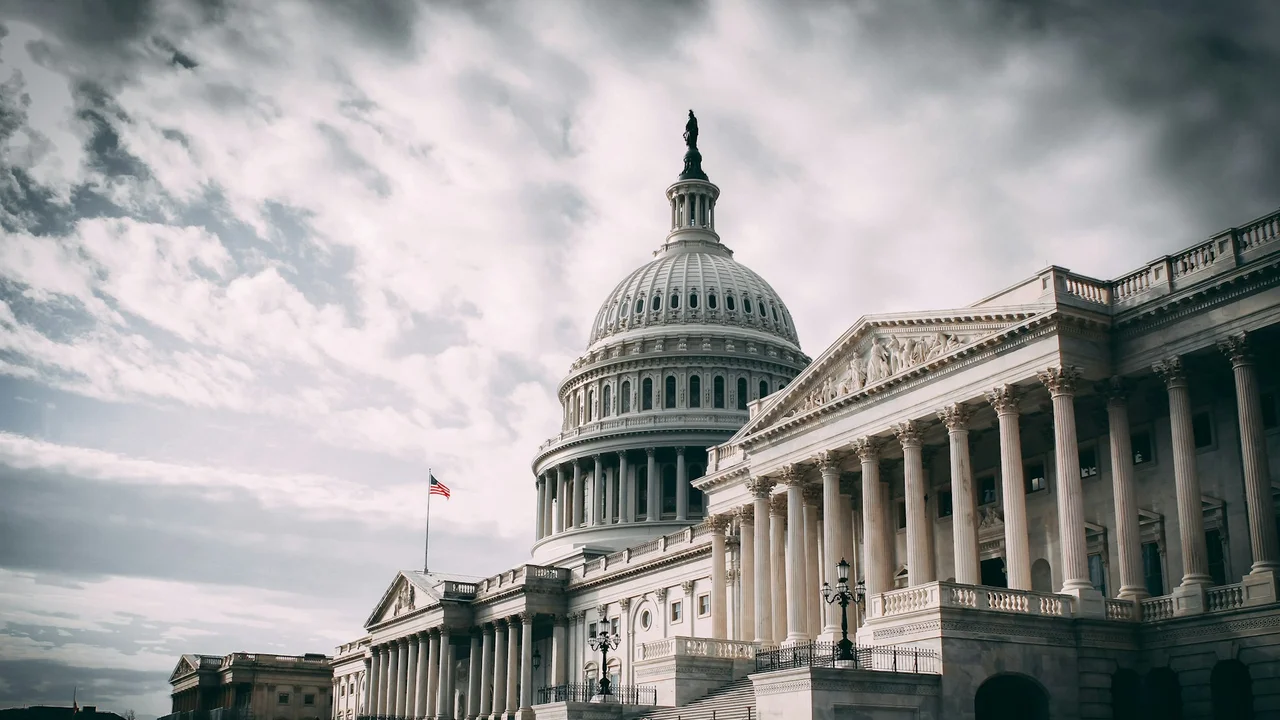
The Jewish community in the United States is facing mounting complexity as it navigates the deepening political polarization between the Democratic and Republican parties. Traditionally viewed as a cornerstone of the Democratic voter base, American Jews are confronting internal and external shifts, particularly amid tensions surrounding the ongoing war in Israel and evolutions within both major American political parties.
Dr. Yehuda Kurtzer, president of the Shalom Hartman Institute of North America, who has lived in New York for the past 17 years, noted in an interview with the press that American Jews maintain a distinct identity compared to diaspora communities elsewhere. For the past century, American Jews have built a dual identity seamlessly blending their heritage with civic life. "We built this over the years on the basis of liberal-democratic values. In doing so, we managed to integrate into American society, not being Jews only at home, but also in the public sphere," Dr. Kurtzer said.
Despite warnings of a mass exodus from the Democratic camp, recent polling data indicates that a solid majority of the community continues to vote for Democratic candidates. Liberal streams, representing the vast majority of American Jewry, find natural alignment with Democrats on domestic issues such as civil rights, abortion access, and welfare policy. However, in specific areas with high concentrations of Orthodox or conservative populations, such as neighborhoods in New York, a historic trend toward the Republican Party has also been recorded.
The Polarization of Israel in American Politics
For decades, American bipartisan support for Israel was considered a given. Today, however, the Israeli issue has been absorbed into the broader American political polarization, forcing the Jewish community to navigate an environment where both parties frequently utilize Israel and antisemitism as partisan weapons. "The political polarization pulls Jews to be either Democrats or Republicans, and they fight each other. We are living in a period of fracture of the rules and norms of liberal democracy in the US—I feel this polarization is a genuine existential threat," Dr. Kurtzer warned.
Adding to these strains, recent remarks by US President Donald Trump blaming Israel for his midterm election setbacks have further inflamed tensions. Criticisms emanating from both ends of the political spectrum—targeting both Israel and Prime Minister Benjamin Netanyahu—have severely complicated the standing of the American Jewish community. Dr. Kurtzer argued that the Israeli leadership's heavy reliance on a single political faction has proven precarious now that bipartisan consensus is fracturing.
Security Challenges and a Resurgence of Jewish Identity
In the wake of the October 7 attacks, security perimeters have been erected around synagogues and Jewish educational institutions across the United States. Dr. Kurtzer observed that the atmosphere is increasingly reminiscent of security realities facing European Jewish communities. At the same time, he pointed to a notable spiritual revival and a stronger connection to Jewish peoplehood, with increased synagogue engagement and interest in conversion driven partly by a heightened sense of shared destiny.
Despite rising antisemitism and renewed accusations of dual loyalty, Dr. Kurtzer remains cautiously optimistic about the future. "I am generally optimistic, that is a big part of being an American," he concluded. "I do not believe the attacks against the State of Israel will cease, but I do feel that Jews and Americans will be able to rebuild the alliance that unites us."