US Fuel Prices Surge to Record Highs Ahead of Midterm Elections Amid Iran Conflict
US fuel prices have surged to record midterm election highs following the conflict with Iran, challenging President Donald Trump's campaign pledge to slash energy costs and creating political pressure ahead of Tuesday's congressional vote.
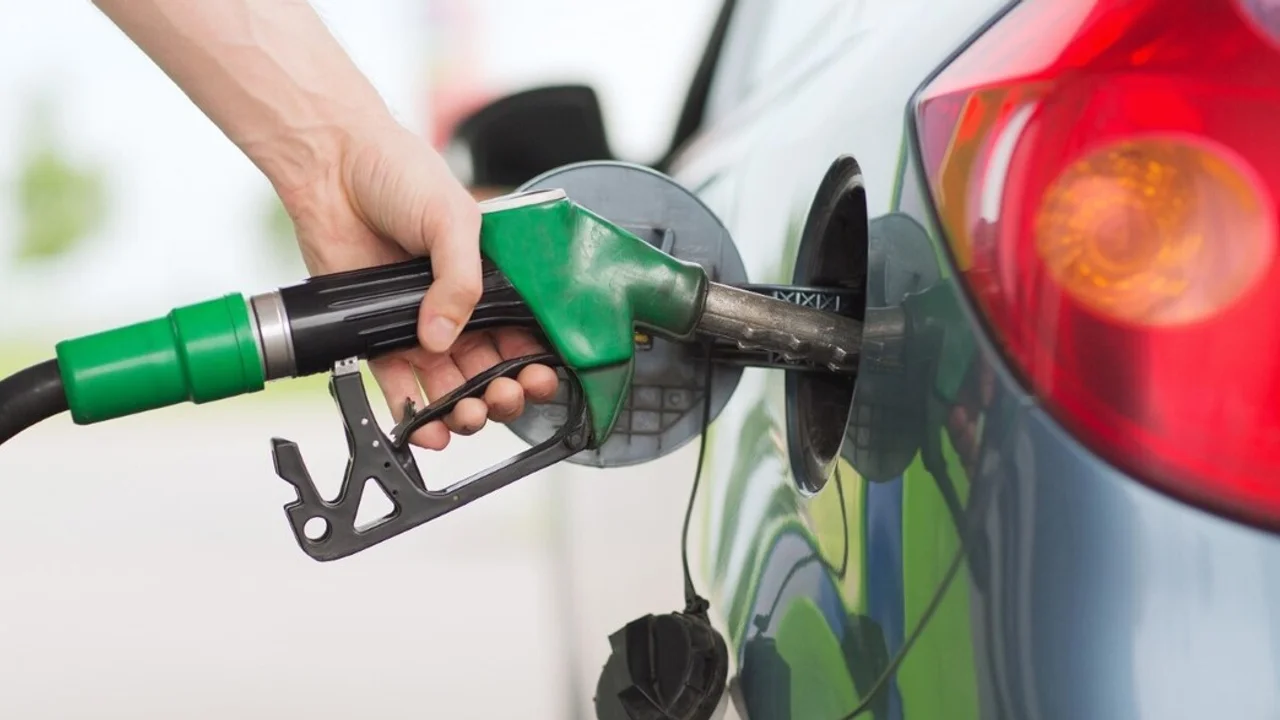
US President Donald Trump's 2024 campaign promise to cut energy prices in half and lower gasoline below $2 per gallon within a year of taking office has collided with geopolitical realities, as fuel costs surge ahead of Tuesday's midterm congressional elections. Gasoline, diesel, and jet fuel prices have spiked due to the ongoing conflict with Iran, placing heavy financial burdens on American households, farmers, and airlines.
According to market data, average gasoline prices stand at $4.20 per gallon, marking a nearly 40% increase compared to the same period last year. Diesel prices have soared by approximately 70% over the past year to reach $6.32 per gallon. Patrick De Haan, head of petroleum analysis at GasBuddy, noted that prices have never been this high so late in the year, placing political pressure on the administration.
Impact of the Iran Conflict and Global Disruptions
The price surge began following the joint US-Israeli military strikes against Iran on February 28. Tehran responded with a wave of attacks on oil tankers navigating the Strait of Hormuz, severely disrupting global energy supplies. Speaking at a recent rally in Michigan, Trump defended the situation as a "small price to pay" to prevent Iran from acquiring nuclear weapons.
White House Press Secretary Taylor Rogers stated that once the conflict concludes, fuel prices will drop dramatically. However, ongoing disruptions persist, including attacks by Houthi rebels in Saudi Arabia and continued Ukrainian strikes on Russian refining facilities, while the conflict between Russia and Ukraine remains unresolved.
Political Fallout and Economic Strain
Diesel price hikes have become a central pressure point for the US economy, significantly inflating transportation and production costs. Darren Woods, CEO of ExxonMobil, highlighted diesel's critical role in economic growth during a recent interview with CNBC. Airlines have also raised ticket prices to offset soaring jet fuel expenses, complicating efforts to curb domestic inflation.
The energy crisis has created acute political challenges for the Republican Party, particularly in agricultural states like Iowa, where high diesel costs severely impact farmers. To mitigate the pressure, Trump signed an executive order allowing truck drivers to use tax-exempt off-road diesel on public roads and announced an $8 billion relief package for affected farmers.
Additionally, the administration reached a controversial agreement for Russia to supply approximately 6 million barrels of diesel to the global market by late November. The deal drew sharp criticism from Ukrainian President Volodymyr Zelensky and several US lawmakers. Meanwhile, benchmark Brent crude prices have climbed by over 13% in October, leaving markets on edge over potential post-election escalations.