US Cosmetic Fraud Network Targets Tourists With High-Pressure Sales Tactics
Investigations by NPR and CBS News reveal a massive US cosmetic fraud network targeting tourists with high-pressure sales, resulting in victims losing thousands of dollars.
An extensive investigative report by NPR and CBS News has exposed a large-scale cosmetic fraud network operating across the United States, targeting tourists and vulnerable consumers with aggressive sales tactics. The operation, generating millions of dollars annually, relies on psychological pressure, hidden prices, and non-refundable transactions.
The Tourist Trap in Hawaii and California
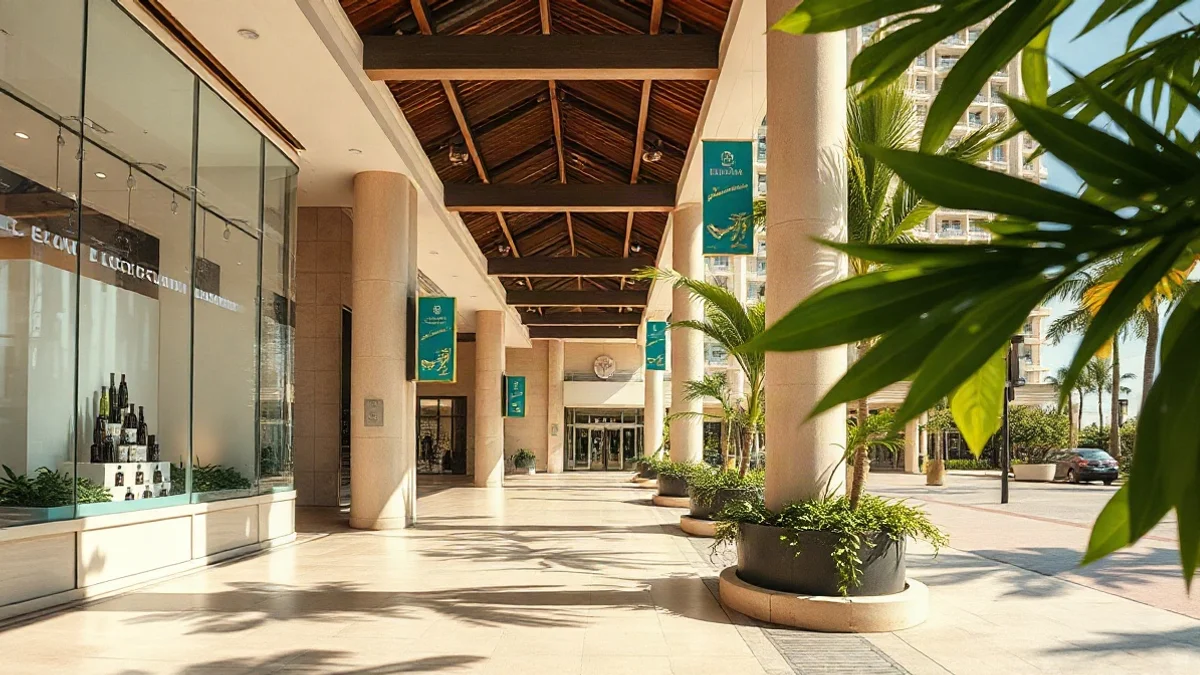
The scheme frequently targets visitors in high-end resort areas such as Waikiki in Hawaii and shopping malls across California. Victims report being lured in with free skincare samples before facing intense pressure in isolated back rooms, resulting in unauthorized or coerced credit card charges reaching up to $18,000. In one notable case, a disabled tourist in Waikiki was allegedly blocked from leaving a spa until she agreed to high-value purchases.
Legal actions have intensified against the distributors. A recent class-action settlement in Hawaii involving nearly $1 million targeted operators linked to California-based Mazal Group, managed by the Weingarten family. Investigators revealed that when scrutiny grows, these operators quickly dissolve corporations and reopen under new names, such as Innovation Brands, maintaining the same aggressive sales models.
Labor Violations and Systemic Failures
Beyond consumer fraud, the network relies on an international pipeline of young sales agents, many recruited from Israel via social media. These workers often enter the United States on tourist visas, violating federal immigration laws while working under restrictive conditions. Federal agencies have previously prosecuted similar rings, yet the high profitability of the cosmetic scam continues to fuel its persistence across commercial real estate properties.