US Bank Stocks Suffer Longest Losing Streak Since 2008 Financial Crisis
US bank stocks face their longest weekly losing streak since 2008, dropping 11% since September despite solid third-quarter earnings and stable loan performance.
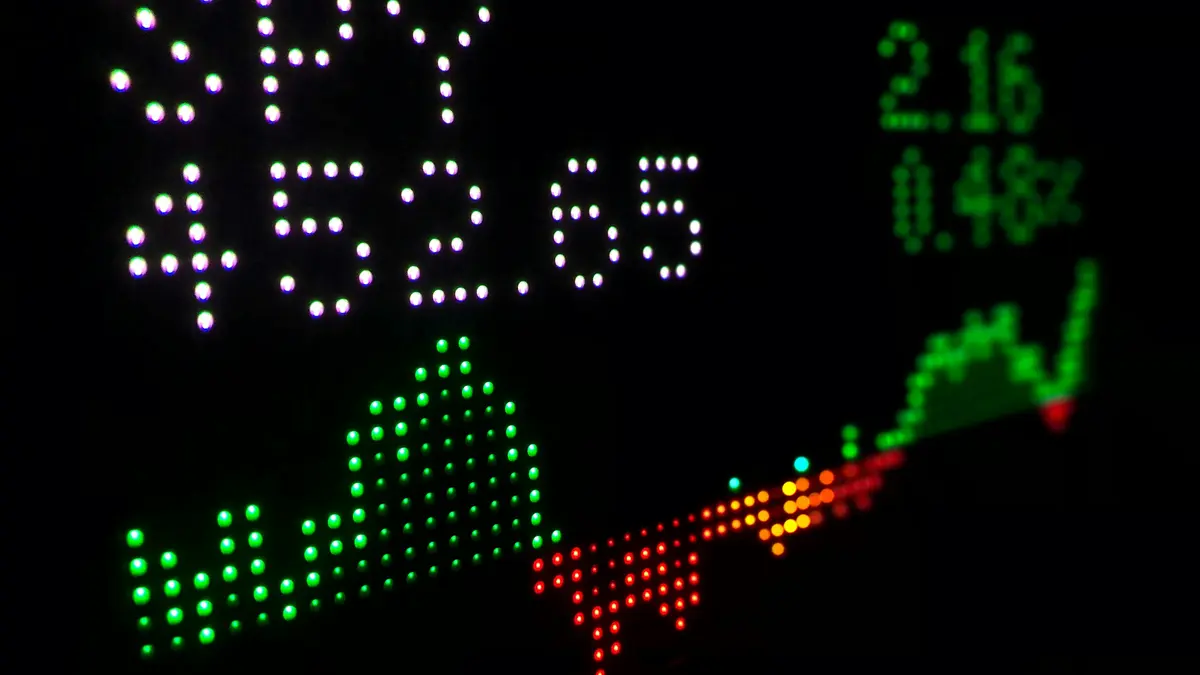
US bank stocks have logged their longest weekly losing streak since the 2008 financial crisis, despite relatively stable financial results from major lenders.
The KBW Nasdaq Bank index, which tracks leading US bank shares, has completed six consecutive weeks of declines, losing about 11% of its value since early September. The weakness continued on Monday, defying the broader positive trend on Wall Street.
Disconnect Between Results and Stock Performance
The gap between stock performance and business results was particularly striking in the third-quarter reports. The four largest banks—JPMorgan Chase, Bank of America, Citigroup, and Wells Fargo—collectively set aside $7.6 billion for credit losses, a decrease of about 3% compared to the same quarter last year. Actual credit losses fell by 5%, while loan volumes grew by nearly 10%.
Data indicate that US households and businesses continue to meet their financial obligations despite sharp increases in financing costs. However, investors fear that high interest rates will eventually weigh on borrowers, slow economic activity, and lead to rising default rates.
Growing Market Concerns and Credit Outlook
These concerns are reinforced by a survey of credit portfolio managers at major global financial institutions. About 60% of respondents expect an increase in corporate defaults over the next 12 months, compared to 40% in the previous survey. Meanwhile, 85% anticipate widening yield spreads on North American junk bonds over the next three months, up from 50% previously.
"Credit conditions remain relatively favorable, barring isolated weakness in specific business sectors," analysts at Morgan Stanley noted.
Not all analysts share the pessimism. Morgan Stanley estimates that credit conditions remain relatively favorable, barring isolated weakness in certain business sectors. Conversely, bank executives sounded more cautious during investor earnings calls than they did the previous quarter.
Artificial Intelligence and Future Uncertainty
Artificial intelligence also adds a layer of uncertainty. Investors are evaluating how the technology will reshape competition in the financial sector while worrying that higher financing costs could hinder massive investments in AI infrastructure, which have become a crucial revenue source for investment banks.
Analysts at Bank of America estimate that a drop in interest rates could trigger a recovery in bank stocks, especially if it stems from falling energy prices or moderating inflation.
Until that happens, the stock market is sending a different message than the earnings reports: US banks continue to display stable business activity, but investors are pricing in the possibility of tougher quarters ahead.