US B-2 Pilots Detail Secret Iran Nuclear Strikes and Operation Midnight Hammer
US bomber pilots recount the clandestine 37-hour mission targeting Iranian nuclear sites, praising Israeli strikes for clearing regional air defenses before precision munitions hit Fordow.
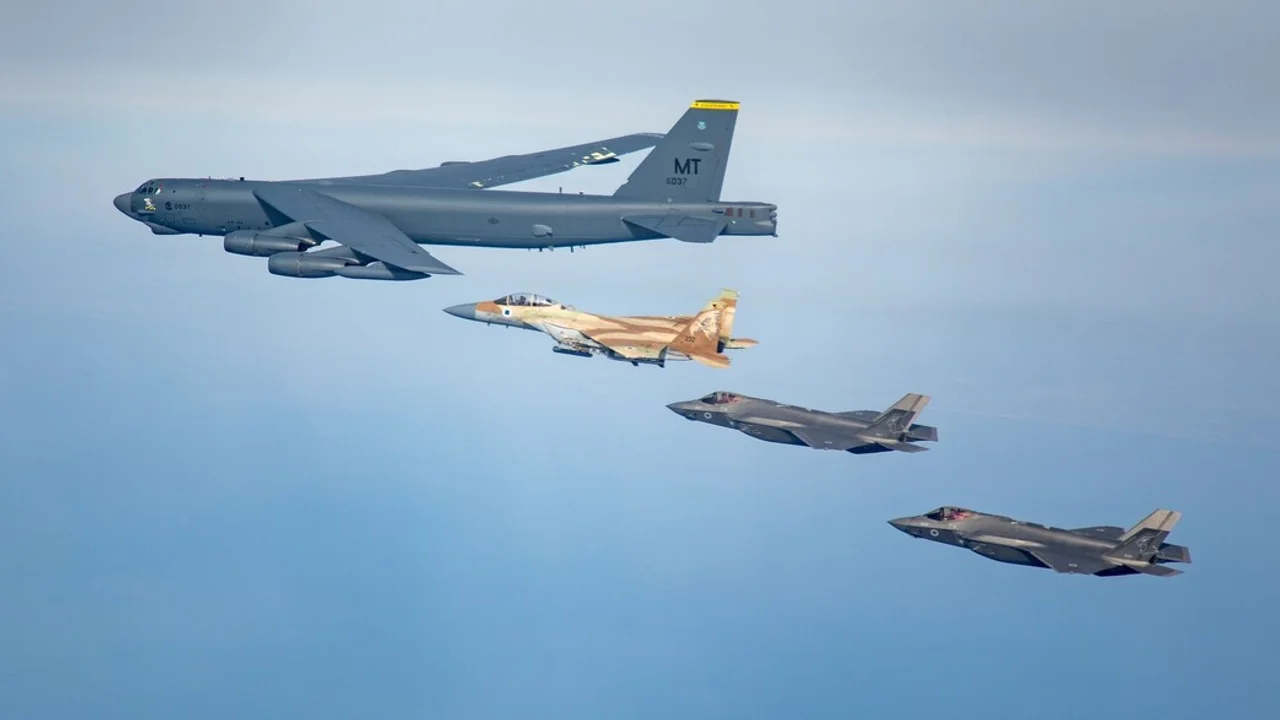
A newly published retrospective in Air & Space Forces Magazine details the clandestine 37-hour mission executed by the United States Air Force against Iran's uranium enrichment infrastructure. Operating under Operation Midnight Hammer, fourteen aviators deployed seven B-2 stealth bombers from Whiteman Air Force Base in Missouri, carrying massive 13.6-ton bunker-buster munitions to target heavily fortified subterranean facilities.
The Israeli Air Force Cleared the Path
Months of rigorous planning preceded the operation, which relied heavily on intelligence gathered over a 15-year span regarding Iran's underground installations at Fordow. The operation's execution parameters shifted dramatically following preemptive Israeli Air Force strikes that began on June 13 as part of Operation Rising Lion. According to mission lead pilot Alpha, the Israeli strikes successfully neutralized numerous regional air defense threats and secured airspace control.
"They cleared out a tremendous amount of threats and made the mission significantly safer for us. It was a masterclass in Western air power."
With key threats eliminated, planners scrambled to adapt bunker-busting payloads in the final hours prior to takeoff to counter Iranian attempts to shield ventilation shafts with reinforced concrete layers.
Deception and the Transatlantic Flight
To maintain operational security, military officials instituted a complex deception campaign. While seven B-2 bombers prepared for an eastward transatlantic route crossing the Mediterranean and the Middle East, auxiliary bombers launched westward in plain sight to project a false deployment toward Guam or Diego Grassia. The flight crews faced extreme physiological demands during the grueling 37-hour journey, relying on brief 30 to 45-minute sleep intervals, coffee, and authorized stimulants.
An unexpected mishap occurred mid-flight when pilot Bravo accidentally triggered his emergency life vest, instantly inflating the garment inside the cramped cockpit. Co-pilot Alpha likened his fellow aviator's appearance to the Michelin Man, sparking lighthearted relief before the squadron approached hostile airspace.
Precision Strikes Over Fordow and Natanz
Reaching the target zone at approximately 2:10 AM local time on June 22, 2025, the first B-2 bomber successfully released its dual 13.6-ton munitions onto the targeted ventilation shafts. Crew members watched as massive fireballs erupted across the mountain terrain, rising to heights equivalent to a ten-story building.
- First wave precision: Initial heavy ordnance pulverized surface-level concrete barriers protecting the subterranean site.
- Sequential deployment: Subsequent bombers followed designated timetables, ensuring exact secondary penetrations into the uranium enrichment facility.
- Natanz diversion: An additional B-2 separated southward to strike auxiliary infrastructure at Natanz.
Following payload release, crews navigated away from the target area while remaining vigilant for potential surface-to-air missile responses, though post-mission debriefings confirmed Iranian air defenses failed to intercept the stealth aircraft.
Return and Public Disclosure
While outbound crews maintained strict radio silence, President Donald Trump publicly announced the completion of the strikes while the bombers were still airborne on their return leg. Refueling crews broke the news to astonished aviators, informing them that their classified mission had become global headline news.
Upon completing the historic 36-hour transcontinental flight, Alpha led a spontaneous formation flyover above Washington, D.C., before landing back at Whiteman Air Force Base. Exhausted aircrews reunited with family members who had learned of the historic military engagement through live television broadcasts, concluding one of the most complex long-range bombing campaigns in modern aviation history.