Israel Real Estate Crisis: 80% of Urban Renewal Projects Lose Economic Viability
A construction sector conference in Eilat revealed that 80% of urban renewal projects have lost financial viability, stalling 300,000 housing units. Industry leaders and officials called for immediate reforms, tax adjustments, and streamlined planning to rescue the real estate market.
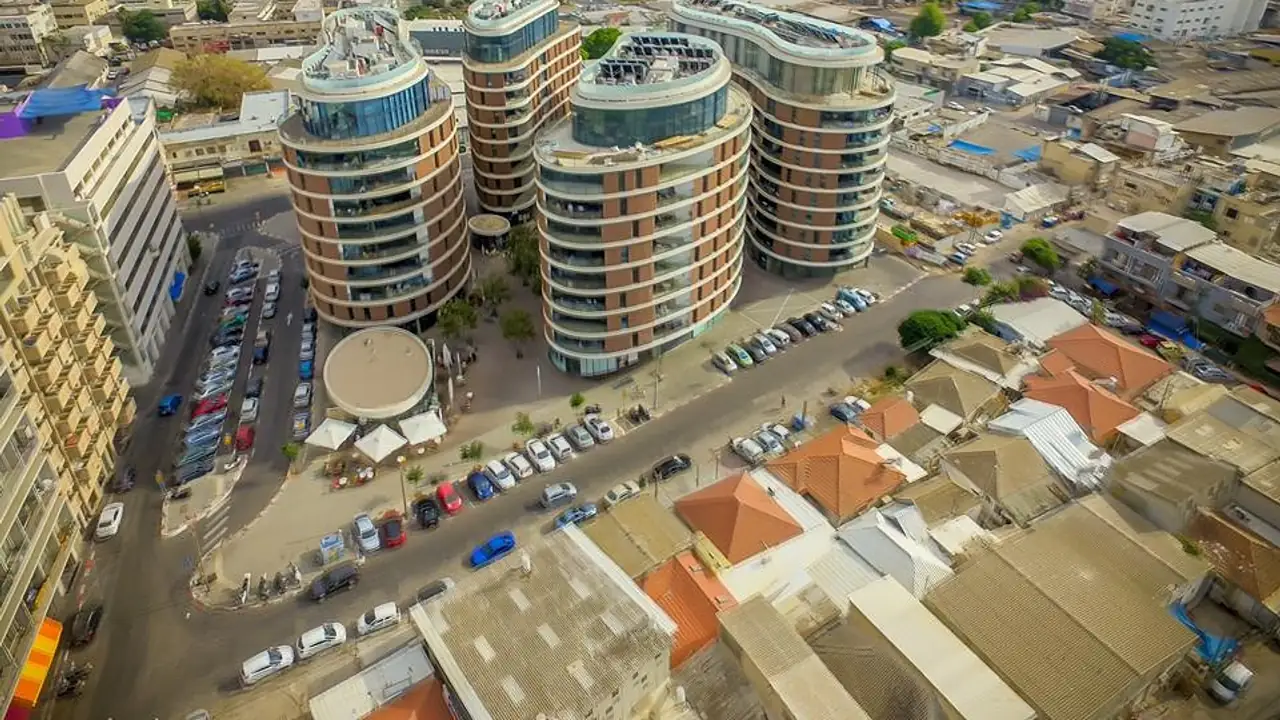
Speaking at the real estate conference of the Tel Aviv and Center Contractors Association held in Eilat, Tamer Tzalich, Vice President and Chairman of the Entrepreneurship and Construction Division at the Israel Builders Association, warned that approximately 80% of urban renewal projects have lost their economic feasibility. Tzalich noted that these projects were originally approved with low profit margins, assuming that continuous price increases would bridge the gap. In practice, projects that theoretically offered a 13% return under standard appraisal guidelines now yield single-digit profits, leaving 300,000 approved housing units stalled. To overcome this crisis, he called for sweeping reforms, including reduced public contributions, lower betterment levies, and increased building rights.
Developer Concerns and Financial Pressures
Yaki Reisner, owner of Reiszdor, addressed the worrying inventory figures presented at the conference, highlighting that approximately 86,000 apartments remain unsold across various stages of construction, alongside 15,000 completed but unsold turnkey units. Meanwhile, Chen Schreibman, President of the Institute of CPAs in Israel, discussed purchase tax rates and monetary policy, warning that if the temporary order setting purchase tax on investment properties at 8% is not extended, it will revert to 5%. Schreibman argued that a 5% tax could encourage investors to return to the market, boost rental housing supply, and potentially lower rent prices. He also criticized the slow pace of interest rate cuts by the central bank, warning that rates are unlikely to drop significantly before the fourth quarter of 2027.
Planning Authorities and Municipal Challenges
Rafi Elmalich, Director-General of the Planning Administration, called for centralizing housing authorities under a single ministry to streamline infrastructure, planning, and marketing. Elmalich noted that the administration, in cooperation with the Government Authority for Urban Renewal, is establishing a fast-track "green" route to accelerate timelines in agreed complexes. Additionally, a new national master plan is being promoted to provide flexibility and a 20% housing value increase in existing projects. Meanwhile, Rishon LeZion Mayor Raz Kinstlich criticized the financial burden placed on local authorities regarding public infrastructure costs, pointing out severe gaps between state subsidies and actual construction expenses.