United Airlines CEO Scott Kirby Calls for Near-100% Inheritance Tax on Ultra-Wealthy
United Airlines CEO Scott Kirby has called for a nearly 100% inheritance tax on large estates and a national wealth tax, warning that economic inequality threatens society.
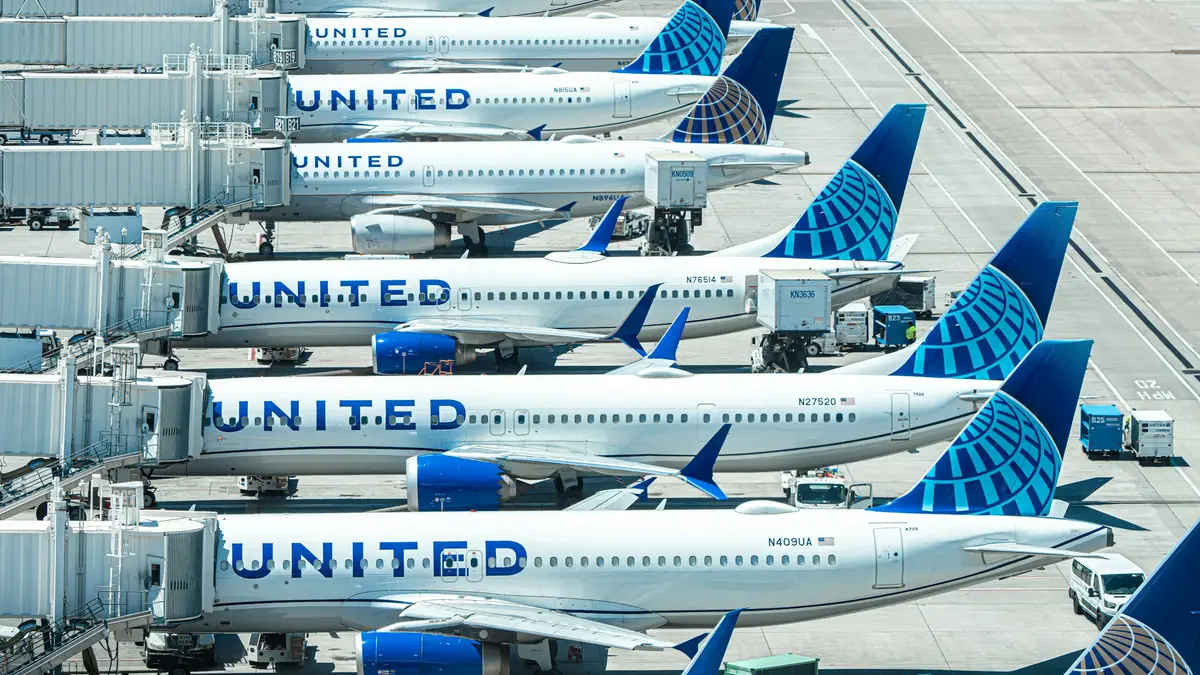
Scott Kirby, CEO of United Airlines, has called for a nearly 100% inheritance tax on exceptionally large estates, alongside a national wealth tax on the ultra-wealthy. In an interview with The New York Times published on Sunday, October 18, the 59-year-old executive warned that economic inequality in the USA has reached a level that threatens society.
"Wealth inequality has become a danger to our society, and we need to address it," Kirby said. He argued that the USA needs a federal-level wealth tax rather than state-level measures, noting that wealthy individuals could otherwise relocate to avoid payment. "I think there should be inheritance taxes approaching 100% at a certain level of wealth. I would pay them," he added.
Current Tax Context
While Kirby did not specify the exact threshold for such a tax or provide a detailed blueprint, his remarks stand out given his status as the head of a major American corporation. Under current federal law, the USA imposes an estate tax rather than an inheritance tax on beneficiaries. For 2026, the federal estate tax applies only to estates exceeding $15 million for individuals, with a maximum rate of 40%. According to data cited by Yahoo Finance, only about 0.2% of USA estates reach the threshold requiring this payment.
Kirby joins a prominent group of business leaders, including Warren Buffett, Bill Gates, and George Soros, who have previously voiced support for heavier taxation on the wealthy. Salesforce CEO Marc Benioff has similarly advocated for higher taxes on high earners to fund education, healthcare, and climate change initiatives.
Pricing and Public Trust
Kirby's comments came during a broader interview addressing declining public trust in corporate executives. Alongside his views on taxing the rich, he defended United Airlines pricing policies, including fees for window or aisle seats. He maintained that passengers wanting enhanced services should pay for them, and airlines must charge prices that cover high operating costs.
Wealth inequality has become a danger to our society, and we need to address it.
His proposal adds momentum to the growing economic debate in the USA over taxing the wealthy, echoing progressive policy discussions surrounding wealth distribution and public funding.