A Fateful Discussion: What Will the Supreme Court Decide Regarding the Arrest of Yeshiva Students?
The Supreme Court is hearing petitions today against a temporary order law that strips the Military Police of the authority to arrest yeshiva students whose draft status remains temporarily regulated.
The Supreme Court is hearing petitions today, Tuesday, against a temporary order law that strips the Military Police of the authority to arrest yeshiva students whose status as draft-eligible individuals is currently regulated on a temporary basis.
The discussion takes place against the backdrop of acute tension between the legislative and judicial branches, alongside a broad legal consensus that the law in its current format suffers from fundamental constitutional flaws.
Within the legal system, there is near-unanimous agreement that this legislation is problematic and raises significant concerns regarding the principle of equality before the law. Senior legal sources point out that the law creates an invalid distinction between citizens and prevents authorities from enforcing the Security Service Law on a specific population group, while standard criminal enforcement measures are applied to other citizens.
Consequently, there is a growing assessment that the Supreme Court may order the invalidation of the law or significantly limit its scope. The government's decision not to send legal representation to the hearing further intensifies expectations of an imminent invalidation.
The Attorney General has previously clarified that she cannot defend the law due to the legal difficulties it presents. The government's choice not to hire private counsel or present a reasoned opposing position is interpreted by experts as a de facto admission that the law lacks a solid legal foundation capable of withstanding judicial review.
Politically, the temporary order law was enacted under intense pressure from ultra-Orthodox factions, led by the Shas party. For these parties, the law is perceived as a necessary tool to protect yeshiva students from criminal proceedings and arrests, particularly during a period when previous legal arrangements have expired and a new draft law has not yet been enacted.
However, public and legal criticism focuses on the fact that the law bypasses the need to regulate the burden of service equally, granting a de facto exemption from enforcement without a permanent legal basis.
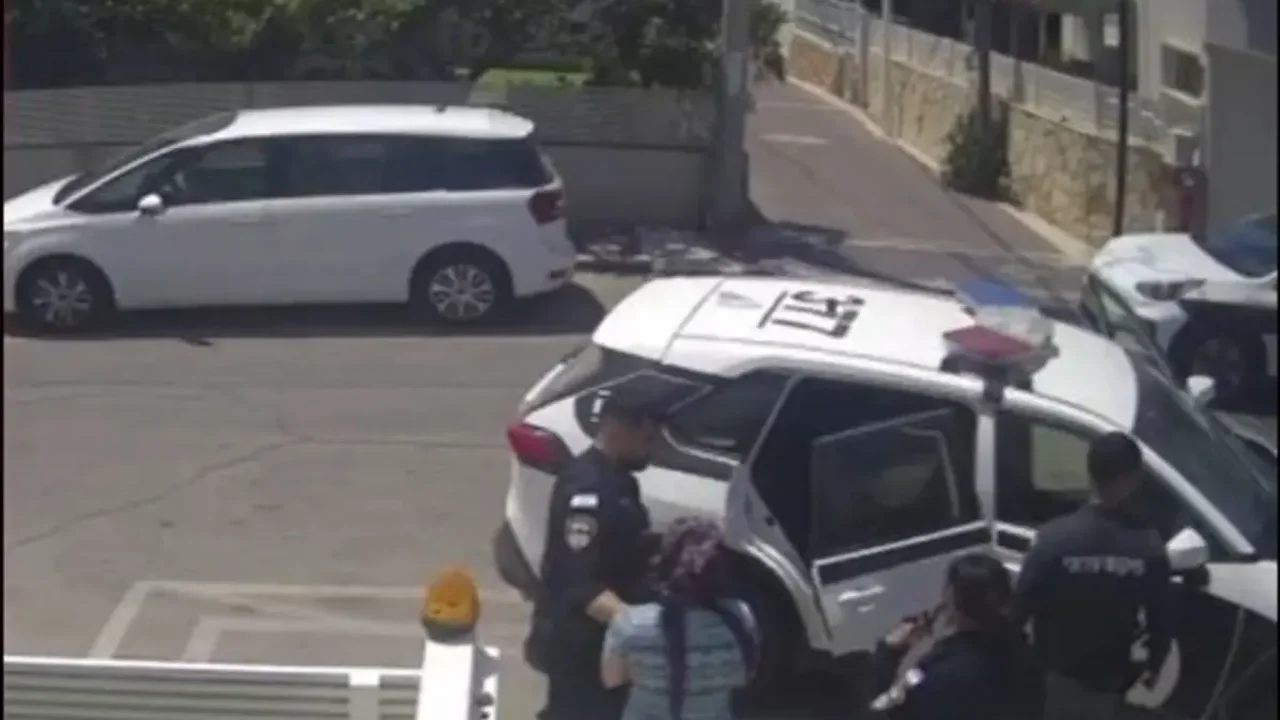
The Supreme Court's decision may have broad implications for the relationship between the state and the ultra-Orthodox sector, as well as for the government's ability to pass similar temporary measures in the future. If the law is invalidated, the Military Police will regain full authority to arrest deserters and draft evaders, potentially leading to confrontations on the ground and an escalation of the political crisis surrounding the draft.
The court must now decide whether political interests and the preservation of coalition stability justify compromising the fundamental principles of criminal and constitutional law in Israel.