"A real danger to public health": The prohibited meat that almost reached food chains
The Ministry of Agriculture reports that over 1.2 tons of smuggled meat and small livestock from "black" slaughter were seized in the north. A senior official at the Ministry of Agriculture and Food Security clarifies: "Meat should be purchased only at authorized and supervised businesses."
Moments before sale: Over 1.2 tons of smuggled meat and small livestock from "black" slaughter were seized in the north. Ahead of Rosh Hashanah and the Tishrei holidays, there is an increase in demand for meat, and enforcement agencies are identifying an increase in attempts to market meat of uncontrolled origin.
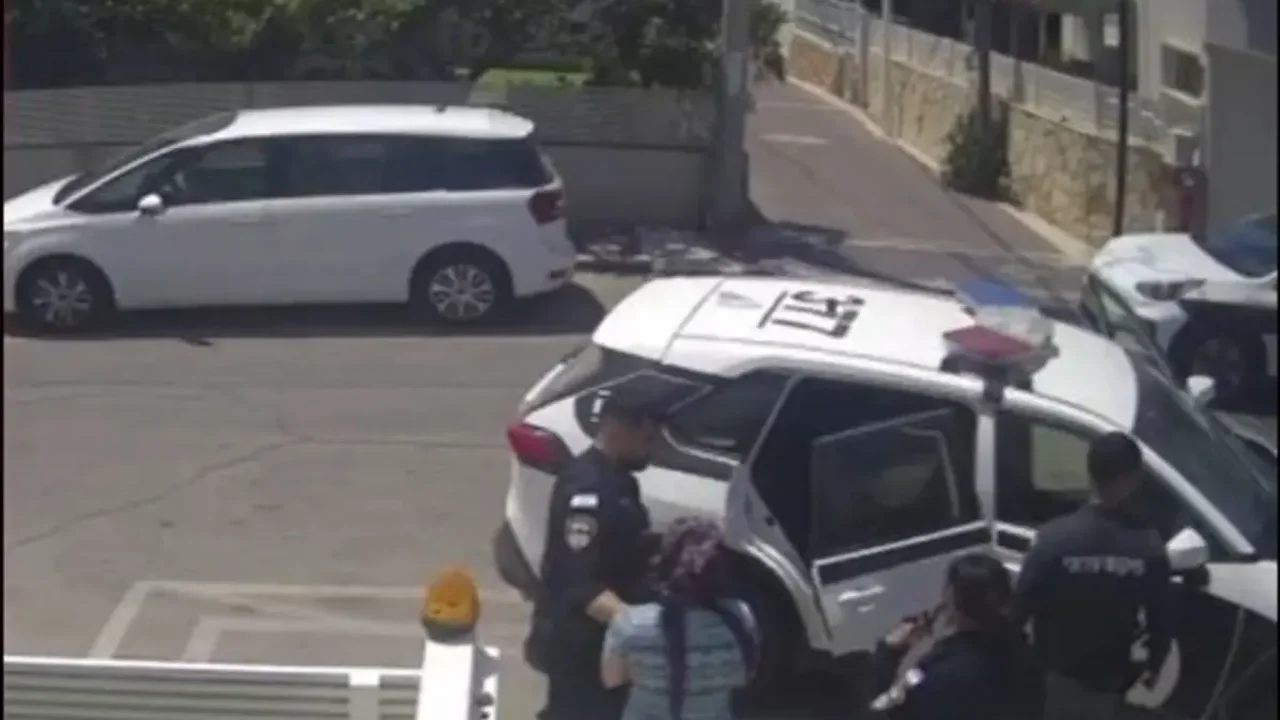
In a joint enforcement operation by inspectors of the Central Unit for Enforcement and Investigations (Pitzuach) at the Ministry of Agriculture and Food Security and the Israel Police, about 1,200 kg of frozen beef smuggled from the Palestinian Authority territories into Israel without permits and without meeting legal requirements were seized in Tamra. The meat, which was intended for sale, was found in a freezer at the site. Following the findings, the owner of the butcher shop was summoned for questioning.
At the same time, during a raid on a livestock pen in Kabul, three carcasses of small livestock were seized, originating from illegal slaughter performed outside a slaughterhouse, without veterinary inspection and supervision. The owner of the place was summoned for questioning. The ministry emphasizes that the consumption of smuggled meat and meat originating from "black" slaughter can pose a real danger to public health, as these products do not undergo the required tests and are sometimes transported without proper cooling and hygiene conditions. In "black" or pirate slaughter, it is impossible to verify that the animals were healthy and that the meat is safe for consumption. Therefore, the seized meat was destroyed.
"Smuggling meat from the Palestinian Authority territories and pirate slaughter without veterinary supervision pose a health risk to the public. Anyone who tries to make an easy profit at the expense of the citizens' health bypasses the strict chain of inspections, cooling, and hygiene designed to protect us all," said Moshe Arak, director of the Central Unit for Enforcement and Investigations at the Ministry of Agriculture and Food Security.
Following the exposure of these findings, the director addressed the general public with a sharp and clear message: "We call on citizens to purchase meat, as well as eggs, milk, and plant produce, only at authorized and supervised businesses."