A blow to Israeli high-tech: How AI and the shekel are reducing employment
A new analysis shows a decline in the number of employees in the sector. At the same time, US bond yields are jumping to a year-and-a-half high, and inflation in Israel is rising again, casting doubt on the next move by the Bank of Israel.
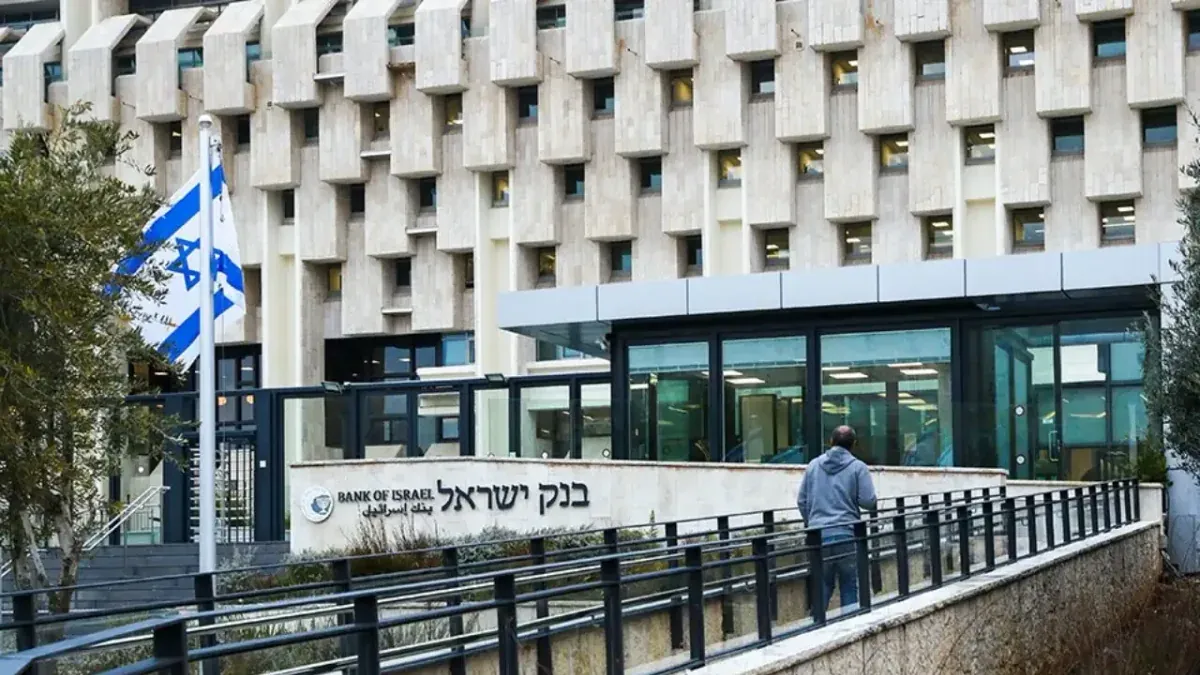
Inflationary pressures in Israel are rearing their heads again, causing growing concern among investors and consumers. The weekly macro review by the investment house 'Leader Capital Markets' points to a complex economic picture, as a combination of rising energy prices, the depreciation of the shekel, and geopolitical uncertainty could delay the long-awaited interest rate cut.
At the center of the inflationary pressure is a sharp 8.15% increase in fuel prices at the beginning of August, alongside a forecast for a high Consumer Price Index of 0.9% for this month. At the same time, the shekel has depreciated by 8% against the currency basket since the beginning of June, which increases the risk of continued price increases and forces the Bank of Israel to wait with the interest rate reduction until the regional situation calms down.
Alongside price pressures, private consumption data shows slight weakness with a 1.7% decrease in credit card purchases in June, but the level of consumption is still 2.2% higher compared to the pre-war period. In the labor market, unemployment stability was recorded (2.7%), but in the high-tech sector, a trend of reduction in the number of employees is felt, from 444.6 thousand on the eve of the war to 426.4 thousand in June. Economists explain that the effects of artificial intelligence penetration alongside exchange rate changes contribute to this reduction.
In the international arena, the central bank in the United States shows hesitation in dealing with inflation, after three committee members supported an interest rate hike. These developments, along with the rise in energy prices against Iran, pushed the yields of 10-year US Treasury bonds to a level of 4.73% — the highest peak since January 2025.
Contrary to what is happening overseas, the local bond market recorded cautious optimism as 10-year yields fell to 3.95%. The Ministry of Finance announced a reduction in the weekly debt raising program to 2.6 billion shekels in August, a step that provides a positive signal regarding meeting deficit targets. However, at 'Leader Capital Markets' they warn that security uncertainty and trends abroad could still weigh on long-term instruments.