Ukraine Strikes Iranian Cargo Ship in Libya Amid Growing Regional Tensions
Reports indicate an Iranian cargo ship carrying military drone parts was struck in Libya alongside Russian vessels, highlighting expanding geopolitical tensions in the Mediterranean.
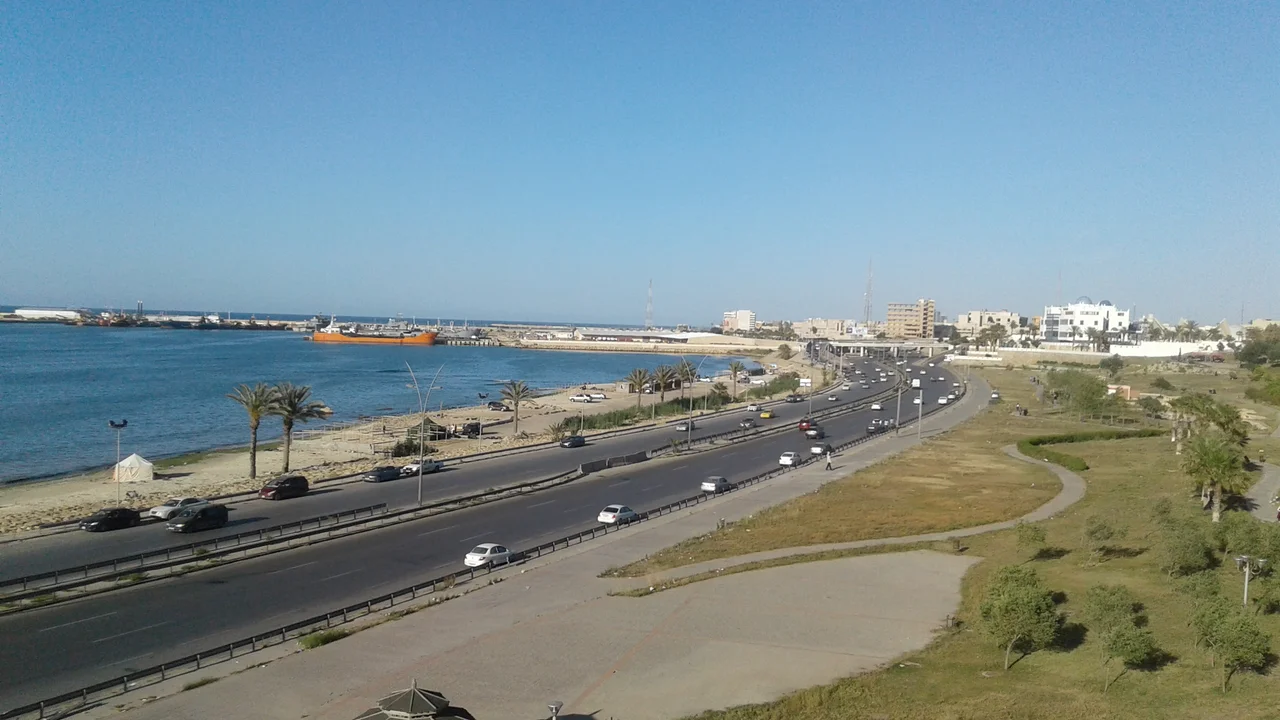
The Russia-Ukraine war and rising regional tensions with Iran have increasingly extended into the Mediterranean, focusing sharply on Libya. Italian daily Corriere della Sera revealed that an unfolding Ukrainian strike campaign in the port of Benghazi targeted not only Russian naval assets but also an Iranian cargo vessel carrying sensitive military hardware.
The Attack on the Iranian Cargo Ship ALVAN
Three days after Ukrainian forces deployed uncrewed surface vessels to sink a Russian warship and damage another vessel in the eastern Libyan port of Benghazi, reports emerged that an Iranian merchant ship named ALVAN was severely damaged in the same operational theater. The 168-meter-long cargo vessel, which has been under United States sanctions since 2020, was reportedly carrying electronic equipment from China and India intended for military UAV operations utilized by forces loyal to Libyan General Khalifa Haftar.
While Ukrainian President Volodymyr Zelensky explicitly claimed responsibility for the strike on the Russian navy vessels, no official claim of responsibility has been issued regarding the Iranian ship. Analysts suggest the operation against the ALVAN may have been executed by Ukrainian forces acting in coordination with or in service of American strategic interests. Satellite imagery analyzed by the Italian geospatial firm Planetek indicated that the vessel's crew attempted to dock near Benghazi after sustaining heavy damage from an aerial drone strike.
Sanctions Evasion and Regional Geopolitics
Before reaching North Africa, the ALVAN successfully evaded the United States naval blockade by slipping through the Strait of Hormuz on November 20. After crossing the Gulf of Oman, the ship disabled its transponders and satellite tracking signals, later reappearing near Benghazi under the alias "Ahmadi" in an unsuccessful bid to mask its identity and bypass monitoring.
The shipment was destined for General Haftar, who controls eastern Libya and its vital oil and gas reserves. Despite explicit demands from the White House urging Haftar to sever military supply ties with Tehran, eastern Libyan authorities proceeded with acquiring foreign military assistance. Observers note that Moscow and Tehran are seeking to deepen their footprint in North Africa as Haftar reportedly prepares for a renewed campaign to capture the capital of Tripoli, depose the internationally recognized government, and unify the country under his control alongside his son Saddam.
Local Fallout and Diplomatic Repercussions
Local authorities in eastern Libya confirmed that two security personnel were killed during the port attacks, prompting General Haftar to issue a stern warning that his forces would retaliate at an appropriate time. Meanwhile, diplomatic maneuvering continues across the region, highlighted by a meeting in Ankara between Haftar and Turkish President Recep Tayyip Erdogan, whose government historically backed the Tripoli-based administration.
Adding to the strategic intrigue, aviation trackers noted that a United States Air Force electronic warfare aircraft was operating over the region shortly before the strike, sparking questions among analysts regarding Western intelligence monitoring of maritime activities in the central Mediterranean.