Turkey Reaffirms Black Sea Strait Closures Amid Rising Regional Security Threats
Turkey confirmed it will maintain the blockade of warships in the Bosphorus and Dardanelles straits under the Montreux Convention, amid escalating Black Sea drone attacks near NATO waters.
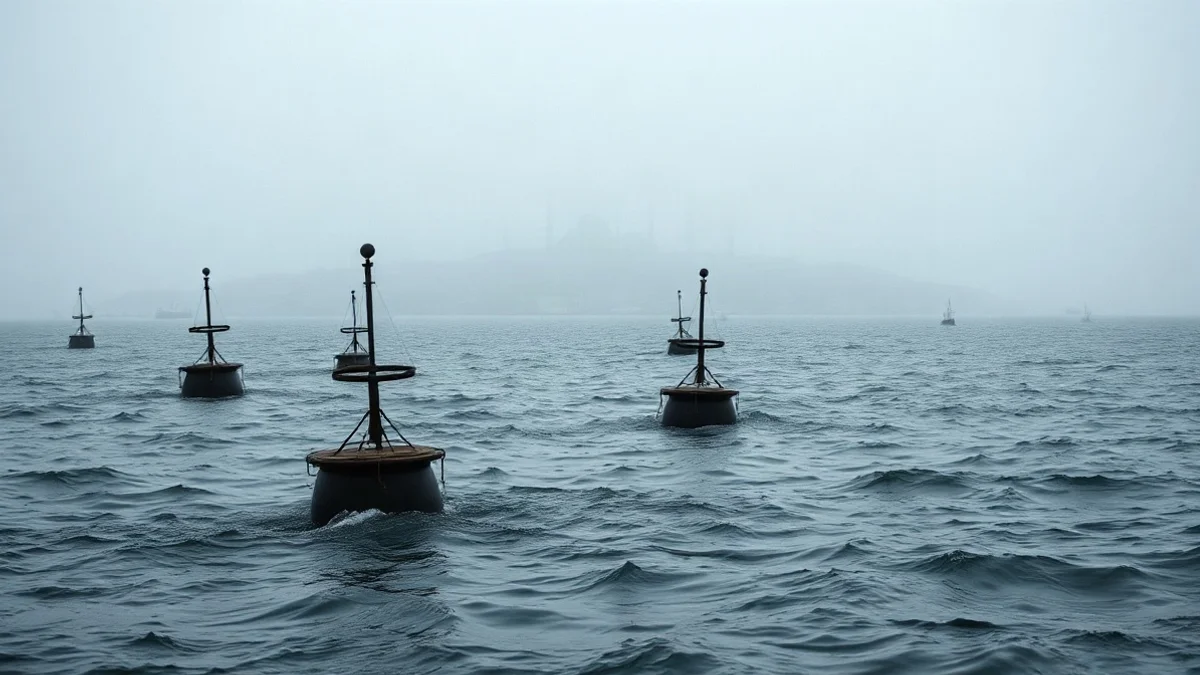
Turkey Upholds Montreux Convention for Black Sea Security
Turkey will continue to block the passage of warships through the Bosphorus and Dardanelles straits, while tightening coordination with Moscow regarding navigation safety in the Black Sea. A Turkish official told the Russian news agency RIA Novosti that Ankara remains committed to its rigid stance to prevent further regional escalation.
According to the source, the implementation of the 1936 Montreux Convention—which grants Turkey authority to control military vessel movement through the straits—remains the primary tool for maintaining regional stability. Turkey invoked the treaty's clauses in 2022 following the invasion of Ukraine and has since barred warships belonging to the warring parties.
Escalating Drone Attacks Threaten Black Sea Shipping
These statements come as drone attacks on merchant vessels spread toward the territorial waters of Romania and Bulgaria, raising concerns among NATO allies. At least four ships were attacked this month near the Bulgarian coast and two others near Romania, prompting Bulgarian military prosecutors to launch a war crimes investigation over an attack on the vessel Chelsea 3.
The intensity of attacks in the Black Sea is increasing daily, requiring a joint security strategy between Ankara, Sofia, and Bucharest.
Bulgarian Defense Minister Dimitar Stoyanov warned that the threat level is rising, echoing calls for a unified defense posture. Meanwhile, Romanian Foreign Minister Oana Toiu announced that the NATO Council would convene to discuss the growing threats after Romanian F-16 fighter jets intercepted two Russian drones approximately 20 kilometers from Sulina.
Ankara Positions Itself as Mediator
Despite pressure from alliance members, Ankara continues to position itself as the chief mediator with the Kremlin. Turkish Foreign Minister Hakan Fidan recently proposed a framework aimed at distancing the Black Sea from the combat zone, including a partial and temporary ceasefire for civilian merchant vessels.
According to the Russian news agency report, official sources in Ankara stressed that President Recep Tayyip Erdogan's invitation to his counterpart Vladimir Putin to visit Turkey remains valid. These direct talks are designed to ensure the freedom of movement for merchant ships and protect their crews following recent attacks on Turkish-owned vessels.