Tulum Faces Massive Sargassum Seaweed Invasion as Cleanup Costs Soar
Tulum faces an unprecedented sargassum seaweed crisis in 2026, with February collection volumes surging 313 percent and cleanup costs threatening the local tourism industry.
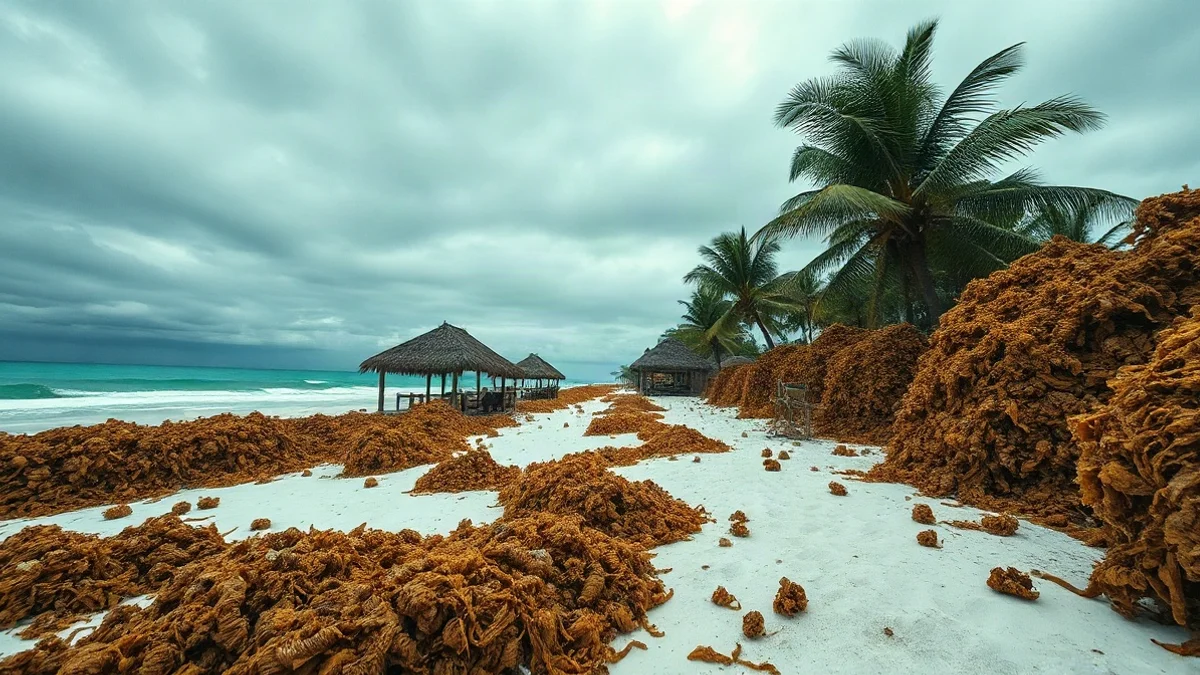
White sandy beaches, turquoise waters, and swaying palm trees define Tulum as one of Mexico's premier vacation destinations. However, the resort city faces an environmental crisis as massive quantities of brown sargassum seaweed wash ashore, accumulating along the coastline and disrupting the visitor experience.
While the sargassum season typically begins in April, significant accumulations emerged as early as January. In February alone, municipal authorities collected 244 tons of seaweed, compared to just 59 tons during the same month last year, marking a staggering surge of over 313%. Satellite telemetry from the start of the season indicated seaweed volumes eight times larger in the western Caribbean compared to the previous year, with conditions continuing to deteriorate.
Sargassum seaweed floats naturally across the ocean and provides a vital habitat for numerous marine species. Nevertheless, when massive quantities arrive on beaches and begin to decompose, they release foul odors and transform into a severe environmental and tourism hazard.
According to the local hotel association, the costs of cleaning the beaches frequently match the entire electricity expenses of the hotels. Business owners estimate that the annual expenditures incurred by the tourism industry to manage the phenomenon reach approximately $150 million.
In an effort to mitigate the crisis, authorities and hoteliers are investing in cleanup operations and deploying floating marine barriers designed to intercept the seaweed before it reaches the shore. In nearby Playa del Carmen, plans are underway to install barriers stretching up to five kilometers in length.
Beyond the immediate financial toll, tourism sector leaders fear long-term damage to the region's reputation. Social media content showcasing beaches blanketed in dense layers of seaweed threatens to deter travelers and drive them toward alternative holiday destinations.