Trip Snacking Trend: Why Travelers Are Embracing 24-Hour Micro-Vacations
A new tourism trend dubbed Trip Snacking has more people replacing long vacations with 24-hour getaways. Industry data and local experts highlight a surge in single-night domestic and international trips.
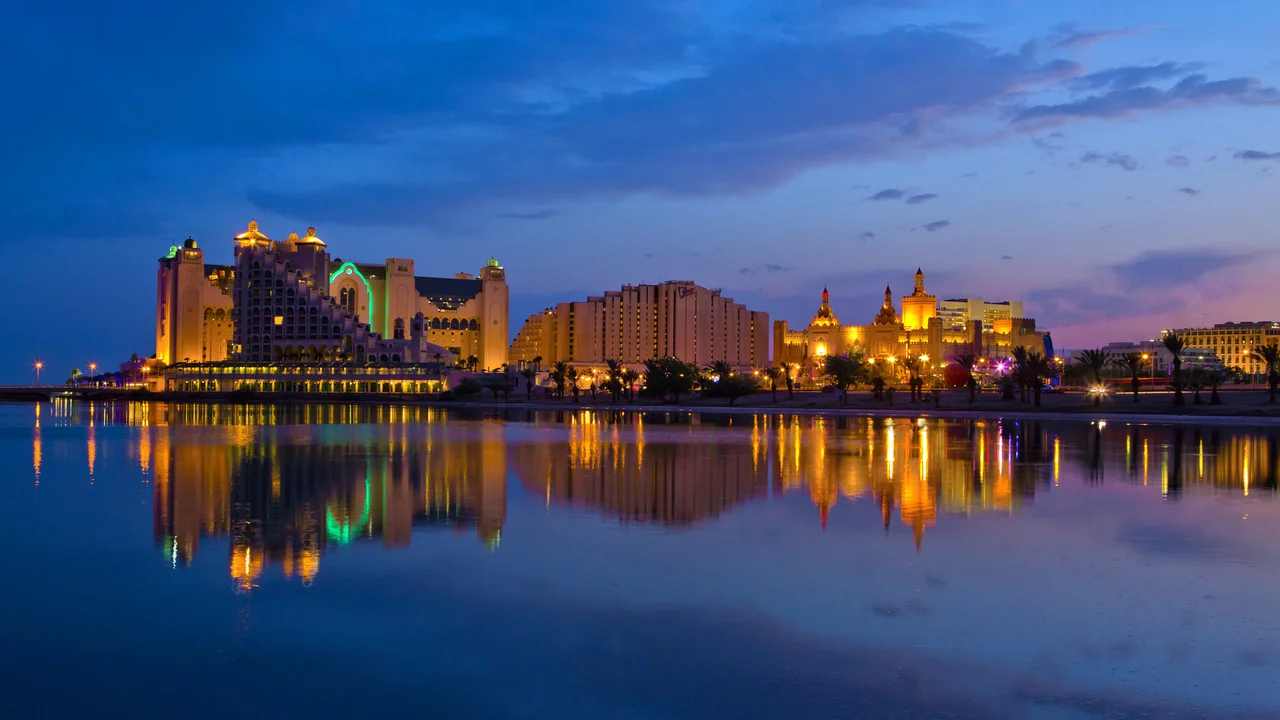
A growing global trend known as "Trip Snacking" is redefining leisure travel, as more people swap traditional extended vacations for frequent, ultra-short getaways lasting just 24 hours. According to a tourism trends report released last October by Expedia and Hotels.com, 79 percent of surveyed travelers plan to take a one-night trip within the coming year, with that figure climbing to 83 percent among Gen Z and Millennials. Concurrently, search queries for single-night accommodations rose by nearly 10 percent, accompanied by a 12 percent increase in social media discussions surrounding 24-hour holidays.
Popular Destinations and Local Tourism
International travelers seeking quick escapes gravitate toward nearby destinations such as Greece, Cyprus, and Georgia, or European hubs like Italy, Spain, and Germany that offer frequent flight options and scheduling flexibility. Domestically, short breaks typically center around major urban centers including Tel Aviv, Jerusalem, and Haifa. Air Haifa reports a notable surge in demand for hyper-short trips to Cyprus, with passengers frequently booking single-night stays or even flying out in the morning and returning the same evening. A flight to Larnaca takes approximately 45 minutes, allowing travelers to enjoy a seaside meal, a hotel stay in another country, and a genuine break from routine without extensive planning or heavy expenses.
Travel industry leaders highlight that these micro-vacations provide accessible flexibility for couples, friends, or family members. Tamar Garzon, CEO of Gulliver, notes that a one-night trip does not require dedicating an entire week to achieve a change of scenery. Similarly, Beni Levi, vice president of marketing and sales for Isrotel, observes a more than 25 percent increase in single-night bookings at the hotel chain's Tel Aviv properties, noting that local residents often check into a hotel simply to disconnect from everyday life close to home.
Psychological Shifts and Social Drivers
Experts attribute the rise of 24-hour vacations to a fundamental shift in how people perceive leisure time. Professor Noa Lavie, dean of the School of Government and Society at the Academic College of Tel Aviv-Yaffo, explains that unlike past generations who planned significant holidays months in advance, contemporary travelers embrace flexible, spontaneous breaks. In Israel, against a backdrop of security challenges and instability, short trips enable individuals to experience rest and recreation in the present moment without long-term commitments. While these brief respites do not fully replace extended vacations for chronic burnout, they effectively interrupt daily obligations and support personal well-being.
Content creator Mika Beck, who operates the book recommendation platform Mika Book, emphasizes that brief getaways offer a practical solution for parents of young children. After traveling to destinations like Pardes Hana, Mitzpe Ramon, and Haifa for 24-hour breaks, she highlights that such trips require minimal logistics while providing sufficient time to enjoy local dining, cultural attractions, and reading. These micro-holidays serve as a brilliant mechanism to recharge energy levels for the upcoming week.