Trieste: The European Surprise for Israelis Without the Tourist Crowds
In an era when major Italian tourist cities are overwhelmed, Trieste offers a calm and authentic experience. From magnificent palaces and legendary cafes to a rich Jewish history, this city remains one of the most interesting destinations for Israeli travelers.
When Israelis think of Italy, Rome, Florence, Venice, or Lake Garda usually come to mind. But at the northeastern tip of the Italian boot, on the shores of the Adriatic Sea, lies one of the most fascinating and unique cities in Europe — Trieste, the capital of the Friuli-Venezia Giulia region. It is a city unlike any other Italian city: for hundreds of years, it was the maritime gateway of the Habsburg Empire, home to Italians, Slovenes, Germans, Jews, Greeks, Croats, and Armenians, and a place where Mediterranean culture meets Central Europe.
For every traveler, Trieste offers a rare combination of history, impressive architecture, fine cuisine, and breathtaking views — all without the tourist crowds that characterize more famous Italian cities. In addition, the Israeli traveler will discover a rich Jewish history here and a comfortable, safe environment.
Almost No Anti-Israel Propaganda
Unlike other regions of the country, you will almost never find expressions of anti-Israel propaganda or demonstrations under PLO flags here. Massimiliano Fedriga, president of the Friuli-Venezia Giulia region, has repeatedly condemned any attempt at a boycott against Israel and stands as a wall to protect the small Jewish community of Trieste.
The uniqueness of Trieste begins with its history. For more than 500 years, it belonged to the House of Habsburg and later to the Austro-Hungarian Empire. Its port was Vienna's main outlet to the Mediterranean, and its status as a "free port" brought wealth that is still reflected in the countless elegant palaces adorning the city.
Austrian Influence to This Day
The Austrian influence is still evident in almost every corner. The wide streets, large squares, and magnificent cafes are more reminiscent of Vienna than Naples. In fact, some call Trieste "the most un-Italian city in Italy" — a compliment that expresses its unique character.
The Most Impressive Photos in Italy
The heart of the city is the Piazza Unità d'Italia, one of the most beautiful squares in Europe. Open to the sea on one side and surrounded by magnificent palaces built during the Austro-Hungarian period, it offers one of the most impressive views in Italy, especially in the evening when the buildings are illuminated.
However, the square also has a dark history. On September 18, 1938, Benito Mussolini gave a speech there announcing the adoption of racial laws and the anti-Semitic policy of fascist Italy, which shocked the local Jewish community.
Cafe Heritage and Coffee Capital
The famous cafe culture of Trieste is a direct legacy of the Austrian period. There are cafes in the city over 100 years old where writers and intellectuals like James Joyce, Italo Svevo, and Umberto Saba used to sit. It is no coincidence that the well-known coffee company Illy was founded here. For locals, drinking coffee is almost a cultural ritual, and sitting in a historic cafe facing the Piazza Unità is an experience not to be missed.
Culinary Journey
Trieste's cuisine differs from familiar Italian fare. Its proximity to Austria, Slovenia, and Croatia has created an intriguing blend: alongside pasta and fish, you will find Viennese-style schnitzels, sausages, Central European pastries, and cakes that remind one more of Vienna and Prague than Rome.
Jewish Community
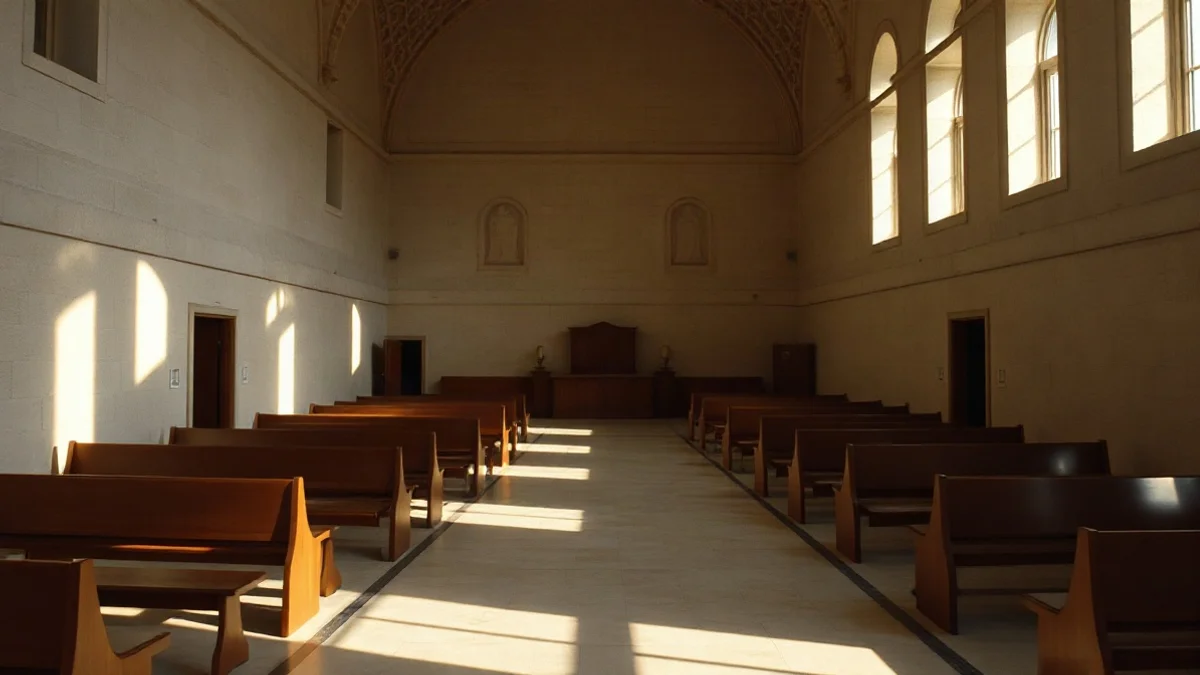
One of the most fascinating chapters in Trieste's history is the story of its Jewish community. As early as the 18th century, the Habsburg rulers granted Jews freedom of trade and worship, and the community became one of the most prosperous in Europe. A prominent symbol of its strength is the Great Synagogue of Trieste, inaugurated in 1912 — one of the largest and most impressive in Europe.
After the Holocaust, the port of Trieste served as a central transit station for tens of thousands of survivors on their way to Eretz Yisrael. Today, although the community is much smaller, it continues to proudly preserve the Jewish flame under the leadership of Alessandro Salonichio and Rabbi Eliahu Alexander Meloni.
How to Get There?
Fly from Israel to Venice and take a two-hour train ride, or fly to Ljubljana (Slovenia) and take a two-hour bus ride. Connecting flights via other European cities are also available.