Treasury Reports 45% Jump in Developer Financing Incentives for Housing
Treasury data shows financing incentives for Israeli new apartments rose to 45% in September, with urban variations highlighting a 60% price gap between subsidized and private housing.
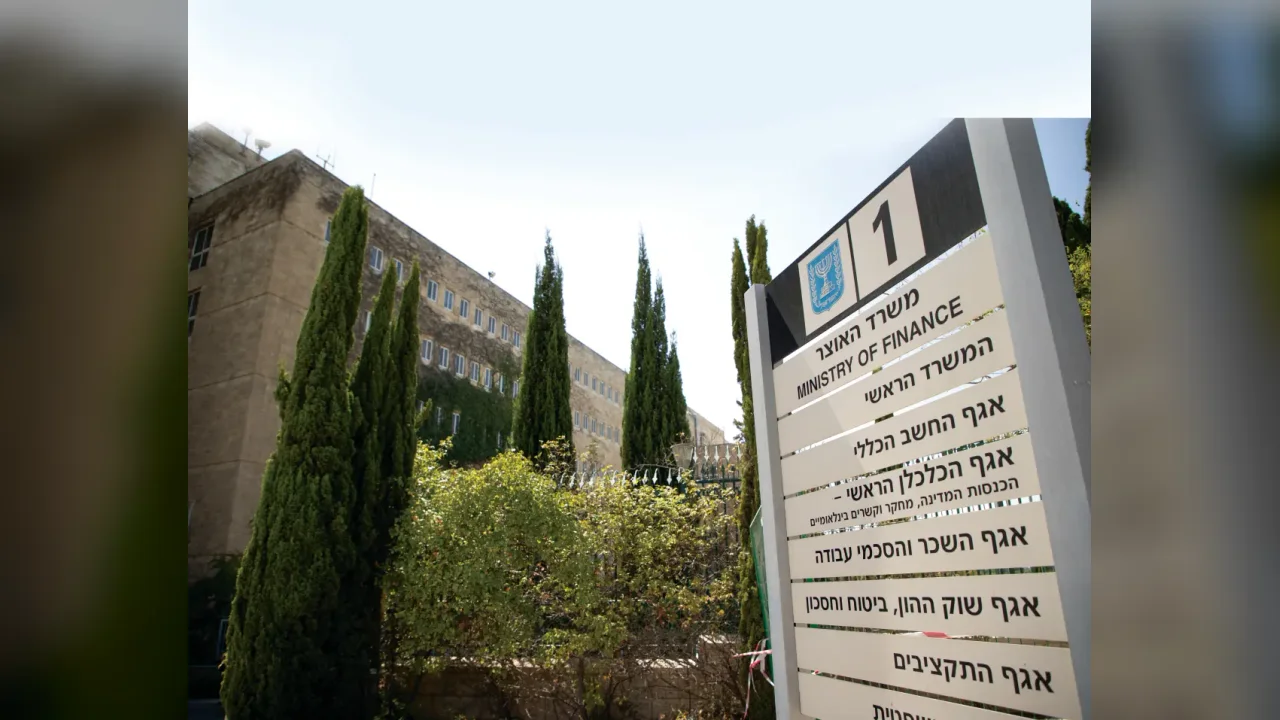
Financing incentives remain a dominant tool for contractors in the Israeli housing market, with sales utilizing such packages climbing from 30 percent in August to 45 percent in September, according to Deputy Chief Economist Galit Ben Naim. The September figures represent the highest level recorded since March 2025, just before the Bank of Israel implemented restrictions on these financing mechanisms.
Impact of Financing Incentives on Urban Markets
The steady three-month growth in financing incentives follows a consistent downward trend that began in April 2025. Contractors frequently offer schemes featuring minimal initial down payments of 15 to 20 percent, exemption from the consumer price index, and deferred balances. Ministry officials are analyzing granular data across various cities to determine whether these packages stem from older project inventories or newly marketed developments.
Contrasting trends emerge when comparing regional markets such as Petah Tikva and Ramat Gan. In Petah Tikva, financing incentives remain widespread, applying to nearly half of all transactions due to a higher volume of properties under construction and competitive market pressures. Conversely, Ramat Gan has experienced a sharp increase in unsold inventory alongside a drop in incentive utilization, prompting economic researchers to investigate developer pricing strategies and financial health across different municipalities.
The Stark Gap in Government-Subsidized Housing
Particular focus has been directed toward peripheral markets like Ofakim, where 90 percent of contractor-sold apartments in September featured financing packages. This surge propelled local contractor sales to nearly quadruple, achieving an average price of 2.1 million shekels.
Ben Naim highlighted a dramatic divergence in the local market, noting that nearly 800 new apartments were sold this year under government-subsidized programs like "Discounted Apartment" at an average price of 900,000 shekels—marking a 60 percent price gap. Analysts attribute this ongoing demand for higher-priced private market housing to investors and non-reservist buyers who recognize low odds of winning state lotteries and opt for immediate market entry.