Unraveling the Myth of the Tower of David in Jerusalem
The Tower of David in Jerusalem is a famous landmark steeped in history, yet archaeology reveals it has no direct connection to King David, mixing Herodian and Ottoman layers.
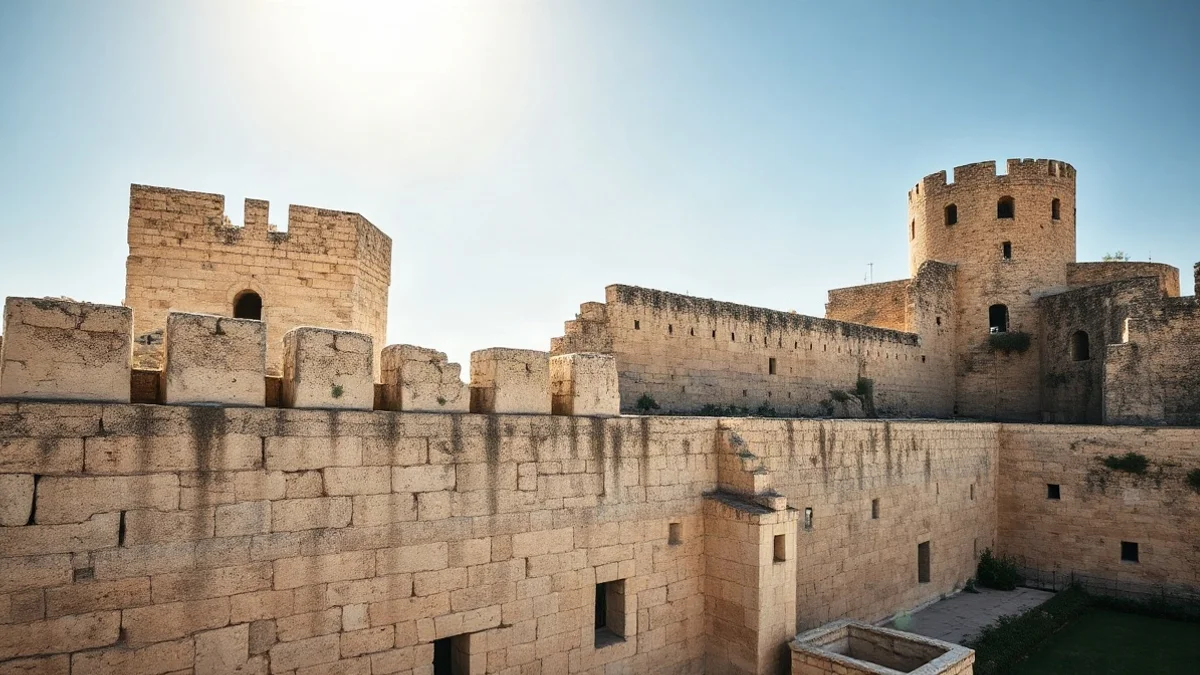
Some landmarks don't really need an introduction. They are simply there, a permanent backdrop of Israeli consciousness: on postcards, school tours, wedding photos, tourist magnets, and that festive gaze someone always turns westward when passing the Jaffa Gate. The Tower of David is one of them. The name sounds so natural, so Jerusalemite, that it feels almost impolite to stop and ask: wait, which David exactly, and which tower?
The Archaeological Reality
When we start with archaeological facts, the picture becomes less regal but far more interesting. King David, according to biblical tradition, belongs roughly to the 10th century BCE; the citadel known to us today as the Tower of David is not a structure from that period, and there is no evidence it was built by him or served as part of his palace.
While the site has remains from the First Temple period, the main significant layers are later: from the Second Temple period, specifically the Hasmonean and Herodian periods in the 2nd to 1st centuries BCE. Later came Roman, Byzantine, Muslim, Crusader, Mamluk, and Ottoman layers—a long story of thousands of years, but not one that starts with King David.
How the Name Stuck
So how did King David enter the story? This is where the power of a name—and a rather amusing confusion—comes in. For generations, when people spoke of the "Tower of David," they did not necessarily mean the familiar minaret, but rather the remains of the Herodian tower in the citadel, usually identified with Phasael, one of Herod's towers. This identification was reinforced by the biblical image "Thy neck is like the tower of David" from the Song of Songs, and over time the name clung to Herod's tower.
However, the tower that many intuitively recognize today as the "Tower of David"—the slender, tall minaret starring in photos of the site—was built only in the 17th century, during the Ottoman period, as a minaret for a mosque serving Turkish soldiers in the citadel. Thus we received almost two "Towers of David": the Herodian Phasael tower, which is not David's; and the late Ottoman minaret, which is also obviously not David's.
A Myth Built on Tradition
The myth survived because it rests on a convenient and convincing connection: a central site in Jerusalem, a familiar biblical verse, ancient identification, religious tradition, and cultural tourism. Travelers and writers throughout the generations added layers of meaning—from the descriptions of pilgrims like Benjamin of Tudela to more modern visitors, including Theodor Herzl, who encountered a site already laden with memories and symbols.
The name "Tower of David" sounds like historical testimony, even though it is actually testimony to a tradition born much later.
In the end, the Tower of David may not tell us about King David himself, but it certainly tells us something about how Jerusalem continues to build stories for itself.