"Your father is dead": Daughter discovers caregiver transferred house to herself for $5
Nora traveled to visit her 75-year-old father, only to discover he had passed away. The situation escalated when she realized the caregiver had obtained power of attorney and transferred the property to her name for a nominal fee. Nora is now fighting in court to void the transaction.
The caregiver who "received" the house for only 5 dollars: Nora Roland, a resident of Maryland, was used to talking to her 75-year-old father, Robert, on a daily basis. The two were very close and held regular weekly video calls. But last spring, things began to change: Nora noticed her father was fading away, and contact became less frequent until, on Father's Day, he stopped answering completely.
Worried, Nora drove from her home in Baltimore to her father's house in the town of Conway, South Carolina. Upon arrival, a bitter surprise awaited her: the lock on the front door had been changed, and a smart doorbell camera had been installed.
Nora pressed the doorbell, and the person who answered through the camera was Sarah Smalls - the caregiver who had started caring for her father just a few months earlier, in March 2024, on behalf of the care company "Griswold".
"This is not the way I wanted to tell you this," the caregiver told the daughter through the camera's speaker, "but your father is dead, and there are many more things I need to tell you. Just wait there."
The house changed completely, the daughter was accused of breaking and entering
Nora, who discovered at that moment that her father had been lying lifeless for three days, panicked. She entered the house through an emergency window and was shocked by what she saw: the house was completely transformed. Pictures of strangers were hung on the walls, and the walls were repainted in a bright orange color. According to her, it seemed that a completely new family had moved into the property.
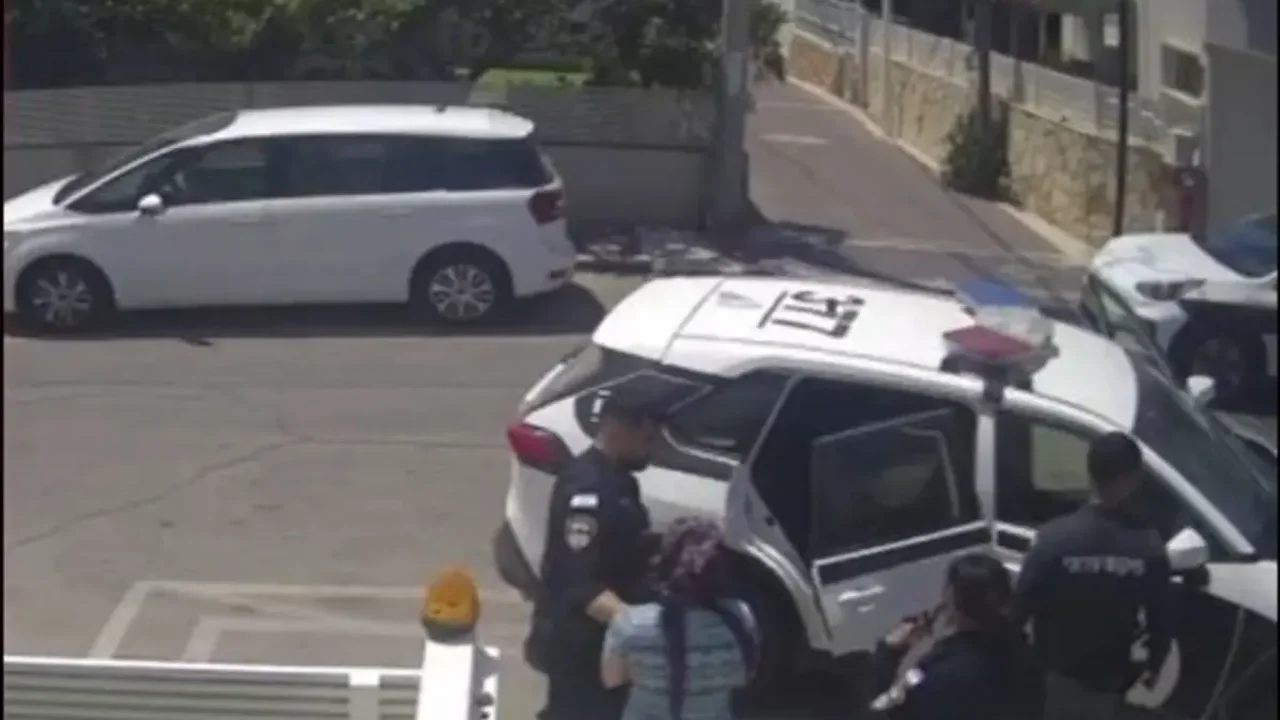
When the caregiver Smalls arrived at the scene, she did not provide explanations but accused the daughter of breaking and entering and called the police. When the officers arrived, Smalls produced an official document: the deed to the house, registered in her name only.
"I left the house expecting the police to help me, and they immediately put me and my partner in handcuffs," Nora recalled in an interview with the NBC news network WMBF. "I just kept screaming: 'I don't understand what's happening, this is my father's house. My father is dead!'". Neighbors told the police they had suspected something was wrong for weeks and had even contacted social services after noticing the caregiver was taking furniture out of the house while the elderly man was clearly not in his right mind.
According to reports, documents revealed later show a series of strange events: a few weeks after she began caring for Robert, Smalls was appointed his power of attorney. On April 17, a property transfer contract was signed, under which the house in Conway was transferred to the caregiver for a meager sum of 5 dollars. Additionally, bank statements showed money transfers from the deceased's account to Smalls' account - some even after his death.
Now, after criminal charges against her for trespassing were dropped, Nora is fighting in court to cancel the transfer of ownership. Her father suffered from Parkinson's disease and brain damage. "My father was a good man who would never have imagined that someone would do such a thing to him," added Nora. "It is so easy to take advantage of people in this condition." The Conway police confirmed that an investigation into the matter has been opened.