Ahmad Tibi Urges Gadi Eisenkot to Form Coalition Without Ultra-Orthodox Parties
MK Ahmad Tibi urged Gadi Eisenkot to form a government relying on the change bloc and Arab factions without the ultra-Orthodox parties, citing a projected majority of 67 seats amid ongoing coalition talks.
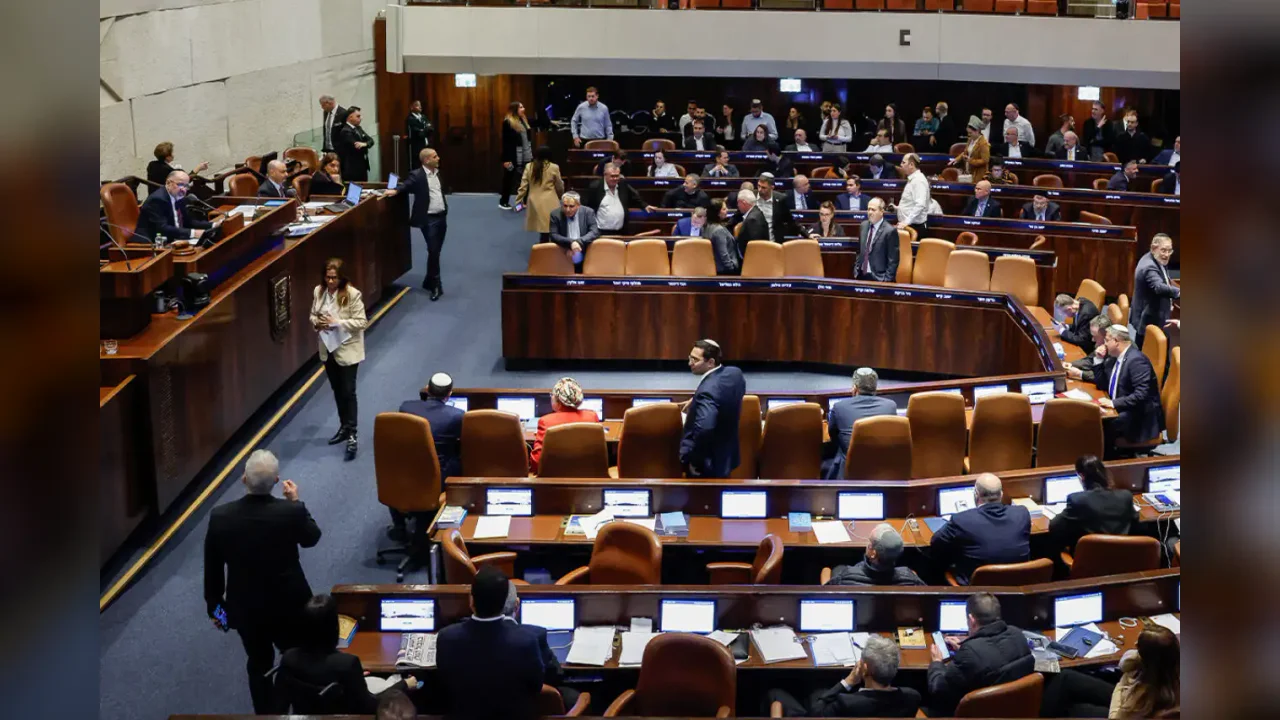
Member of the Knesset Ahmad Tibi urged Gadi Eisenkot to abandon efforts to reach agreements with ultra-Orthodox parties and instead form a government backed by the change bloc and Arab parliamentary factions. Speaking on Monday at the opening of the Joint List faction meeting in the Knesset, Tibi emphasized that the demands put forward by the ultra-Orthodox parties could alienate Eisenkot's other potential partners.
"The ultra-Orthodox parties have complex demands, and it is far from certain that the change bloc will be able to accommodate them," Tibi stated, positioning cooperation with the Arab factions as a viable alternative to seeking compromises with United Torah Judaism and allied factions. He directly addressed Eisenkot with a call to action based on numerical strength.
"Sixty-seven is an overwhelming majority. I call on Gadi to form a government."
Tibi's reference to sixty-seven seats highlights the combined legislative weight of the change bloc and the Arab factions, serving as a political appeal rather than an announcement of a finalized coalition agreement. These remarks come as coalition negotiations continue alongside ongoing discussions regarding the exemption status of yeshiva students.
Eisenkot has previously met with Member of the Knesset Yaakov Asher of United Torah Judaism in an effort to explore a parliamentary majority. Recent proposals presented to the ultra-Orthodox leadership suggest shelving the enactment of formal conscription legislation prior to government inauguration, opting instead for a temporary freeze on the arrest of yeshiva students while a permanent arrangement is formulated.
Tensions surrounding these divergent coalition paths surfaced during meetings of the Knesset Finance Committee, where heated exchanges occurred between ultra-Orthodox lawmakers and opposition representatives. As political consultations proceed, the debate over legislative priorities highlights the persistent challenges facing efforts to construct a stable governing majority.