Threads Review: A Haunting Debut Novel on Family Tragedy and Complex Love
Gil Januszewski-Canaani's debut novel Threads explores a devastating family tragedy on Mount Carmel, probing the agonizing aftermath of a grandfather who kills his autistic grandson and himself.
Reading a book stripped of its cover blurbs and preliminary context leaves the literary experience entirely raw. Approaching Gil Januszewski-Canaani's debut novel "Threads" without prior knowledge creates an unshielded encounter. The narrative begins at a deliberate pace, introducing a family ensemble piece by piece: grandparents, parents, aunts, uncles, and a grandson on the autism spectrum. The city of Haifa, sprawling across Mount Carmel, serves as a living, breathing character in the text.
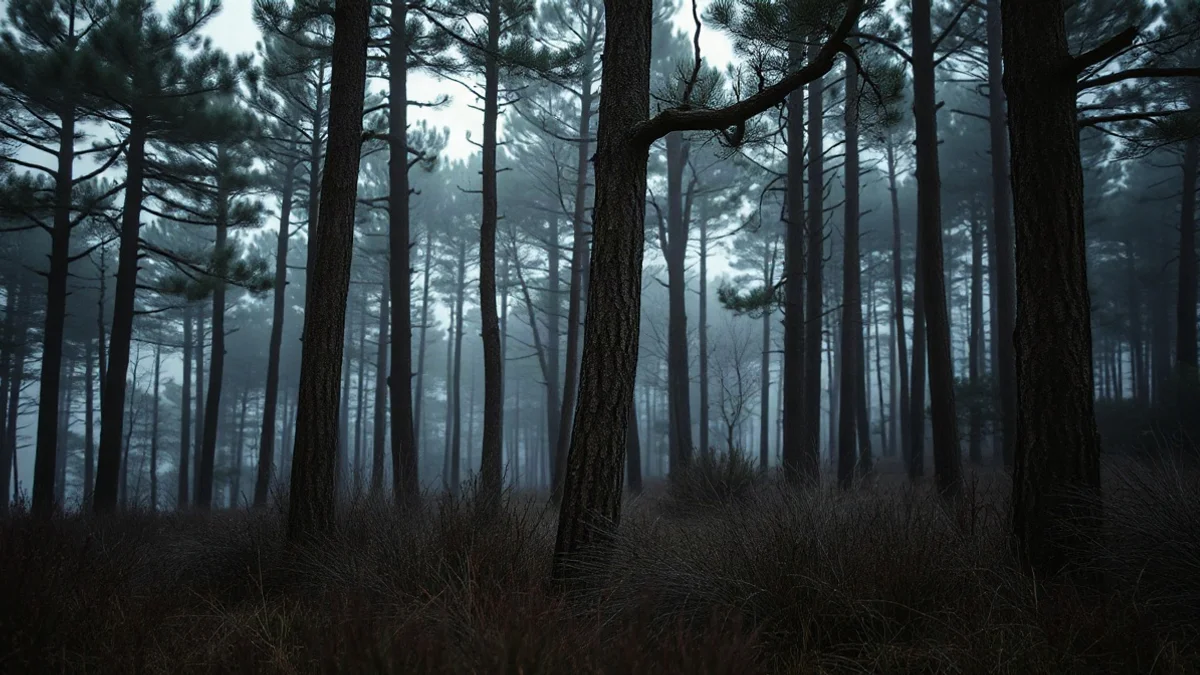
The initial chapters risk testing the reader's patience before a shocking pivot shatters the calm. A professional background in forensic evidence handling instills a clinical, almost pragmatic view of body bags, evidence tags, and measurement scales. When grandfather Yitzhak takes his silent autistic grandson into a rain-soaked forest, anticipation hangs heavy in the damp air. Cynicism whispers the inevitable outcome of such a solitary woodland walk.
The Aftermath of Tragedy and Family Grief
The narrative delivers two bodies instead of one, as Yitzhak murders his autistic grandson before taking his own life. The initial shock gives way to a grim realization: the slow-burning opening acts as a sophisticated emotional trap. However, the true weight of the novel rests not on the murder-suicide itself, but on the agonizing reverberations that follow within the surviving family.
Without back cover summaries, the reading experience mirrors the rediscovery of a real-life family tragedy that occurred in the author's family long before her birth. A lingering sense of literary déjà vu connects the Carmel backdrop to Yehudit Katzir's novel "I Am Starting", where the northern mountain similarly frames the complex reality of raising an autistic child. Both works treat the Carmel forest as a liminal seam between manicured provincial groves and wild, perilous wilderness.
The surviving relatives grapple with a bitter, absurd theater of grief. The aunts and uncles, who simultaneously adored and feared, pitied and resented the child, are forced to assign blame. They lock themselves into inescapable familial roles while confronting a harrowing philosophical question: can murder ever constitute an act of profound love?
Philosophical Depths and the Binding of Isaac
Reading the novel induces genuine discomfort and pain, yet the magnetic attachment to the deeply human characters makes it impossible to put down. Even Yitzhak evokes a complex mixture of empathy and horror. The book examines love as a force intertwined with death, underscored by the deliberate naming of the grandfather after the biblical Isaac, evoking the Binding of Isaac.
When the ritual knife threatens those dearest to us, does one wait for a ram to appear in the thicket, or is mercy found in taking the blade into one's own hands? Januszewski-Canaani suggests no easy answers, probing the absolute boundaries of familial collapse and devotion within the shadowy recesses of the Carmel forest.