Thailand Cracks Down on Foreign Property Owners with Prison Sentences
Thailand is cracking down on foreign real estate ownership through dummy shareholders, with courts handing down actual prison sentences to foreign nationals, posing severe risks for international investors.
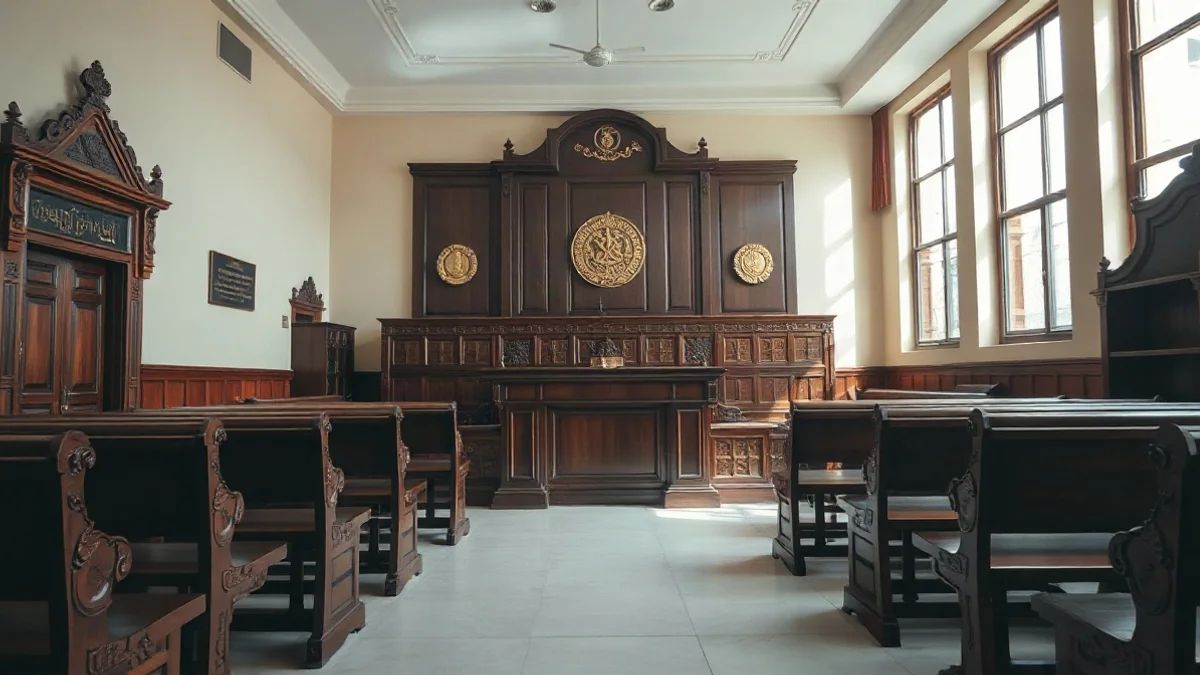
Foreign nationals purchasing real estate, land, and businesses in Thailand using local proxy structures are facing severe legal risks, including actual prison sentences. Authorities in the Asian nation are dramatically intensifying their crackdown on foreigners bypassing local ownership laws, shifting from financial fines and deportation to direct incarceration.
According to a report published this week by the Thai outlet "Hua Hin Today", a court in the resort city of Hua Hin handed down unprecedented prison sentences to foreign nationals convicted of holding real estate assets through nominee shareholders.
Under the rulings, a British citizen and a French citizen were each sentenced to six months in prison without the option of bail in the first instance, and were immediately transferred to a prison in Prachuap Khiri Khan Province. On the same day, a Chinese couple was sentenced to six months in prison with the option to request bail, while a couple from the United States and the Philippines received three-month suspended sentences.
Thai law prohibits foreigners from directly owning land. For years, establishing shell companies where local citizens are registered as nominal shareholders without financial investment or management involvement has been the most common method used by foreign investors, including numerous Israelis, to bypass restrictions and acquire private homes or establish businesses.
The current convictions are the result of a sweeping raid conducted last August in Hua Hin, during which 13 foreigners were arrested and at least 33 companies holding assets valued at over 300 million baht were uncovered. During interrogations, some suspects claimed they acted in accordance with legal and accounting advice received from local firms, believing the arrangement was entirely legal—a defense that failed to prevent their conviction.
This measure aligns with a wave of new legislation, tightened visa policies, and a nationwide enforcement campaign recently led by Thailand against foreigners operating illegally, focusing on major tourist and investment hubs such as Phuket, Chonburi, and Chiang Mai. For foreign investors, the message is clear: those caught holding property through a nominee structure risk losing their freedom and facing imprisonment.