Tel Aviv Stocks Rally as Analysts Predict Bank of Israel Rates to Hold in 2027
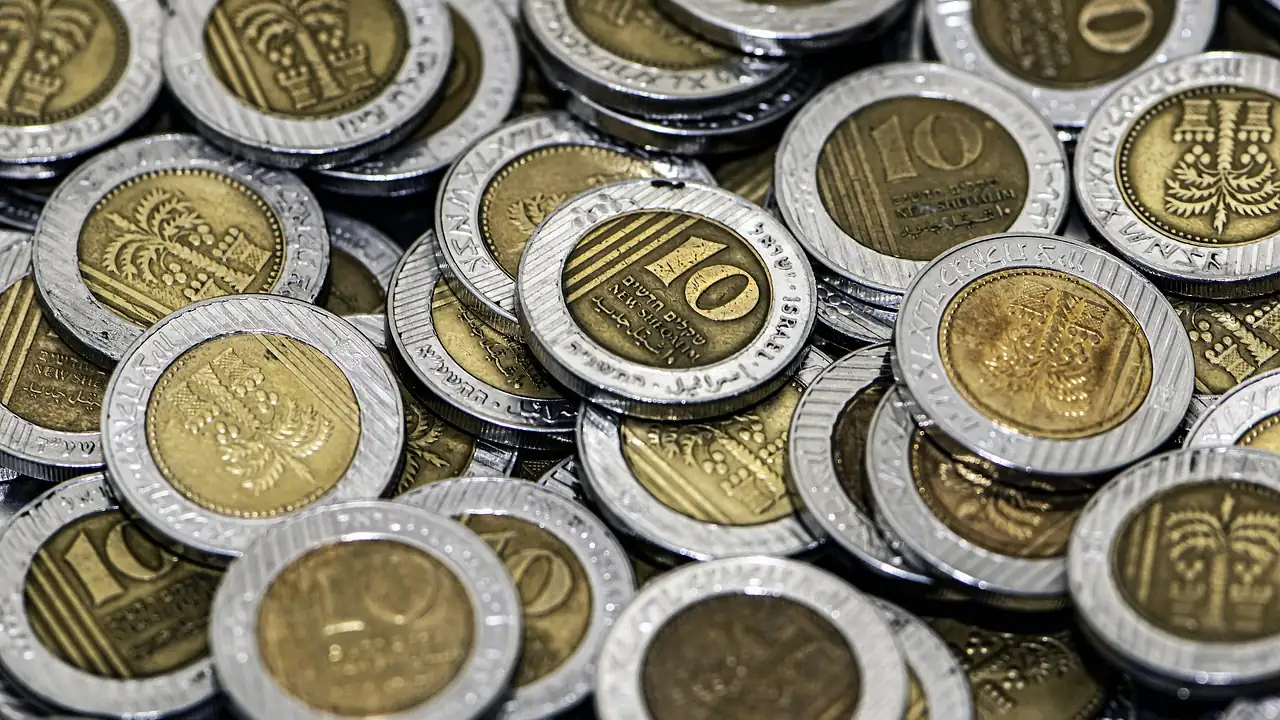
Tel Aviv indices rallied as the dollar hovered around 3.32 shekels amid political uncertainty, while analysts project Bank of Israel interest rates to remain unchanged through 2027.
Tel Aviv Stock Exchange trading sessions open following a week of equity recovery and sharp currency volatility, driven by domestic political uncertainty and persistent global high interest rate concerns. On Friday, the TA-35 index advanced by 1.54%, the TA-125 gained 1.77%, and the TA-90 added 2.45%. By contrast, the Banking index posted a minimal increase of just 0.01%. Overseas markets on Wall Street also closed the week in positive territory, as the Nasdaq jumped 2.31%, the S&P 500 added 1.60%, and the Dow Jones rose 1.18%. Artificial intelligence and semiconductor equities continued to draw strong investor attention as market participants scrutinized whether capital expenditure levels would justify valuations already priced into the shares.
Foreign Exchange Fluctuations and Local Market Dynamics
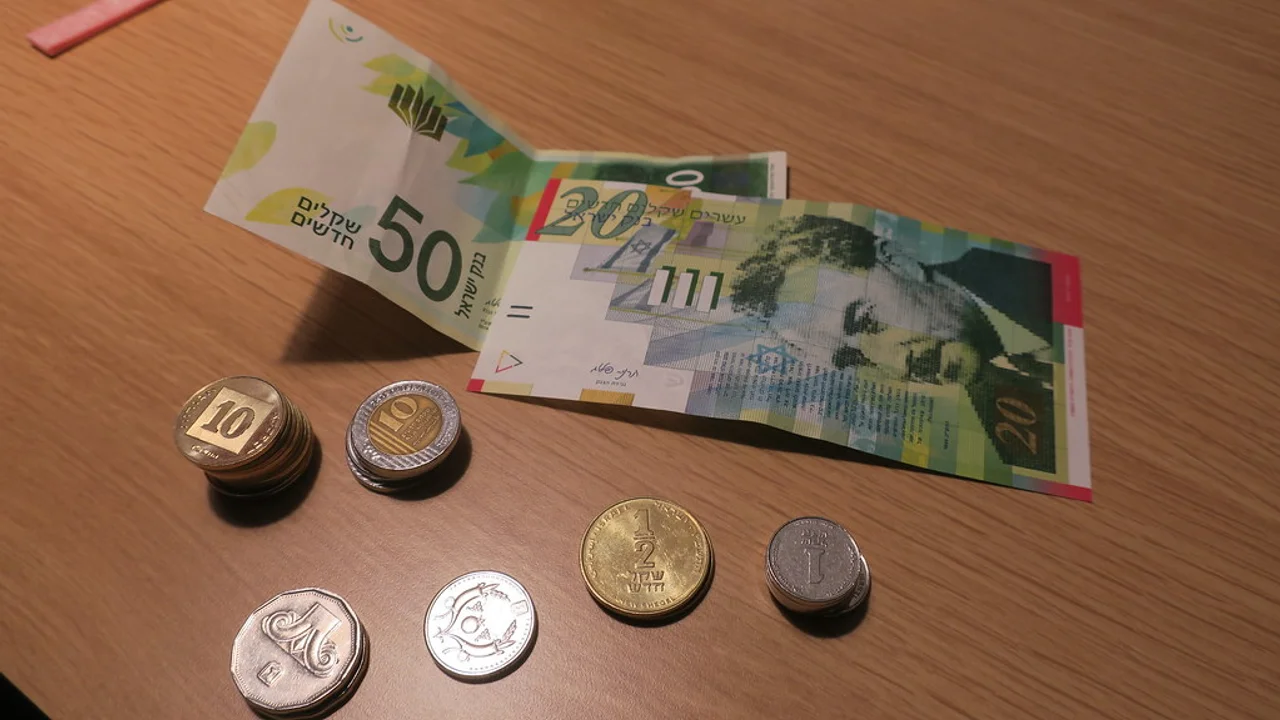
In the foreign exchange market, the US dollar traded around 3.29 to 3.39 shekels toward the end of the week, ultimately settling near 3.32 shekels after touching nearly 3.40 shekels on Wednesday before dipping below 3.29 shekels on Friday. Yoni Pening, chief strategist at the Mizrahi-Tefahot Bank dealing room, explained that early-week declines in US equities combined with year-end corporate demand for dollars created a temporary shortage of the American currency in the domestic market. This pressure subsequently eased alongside an equity rebound and a reduction in market volatility. Pening noted that part of the shekel appreciation stemmed from expectations regarding government formation, observing a recent decoupling between S&P 500 pullbacks and dollar gains against the shekel that points to prominent local drivers.
Yossi Menashe, founder and co-CEO of Altshuler Shaham Financial Services, emphasized that political negotiations will remain a pivotal factor for the foreign exchange market.
"Substantial progress in talks could influence sentiment toward the shekel, but market reaction ultimately depends on their outcomes," Menashe stated.
Bank of Israel recently kept its benchmark interest rate at 3.25%, despite an annual inflation reading of 1.1% recorded in October. Menashe warned that currency depreciation and ongoing inflation risks severely limit the central bank's scope for monetary easing in the near term.
Global Economic Risks and Interest Rate Outlook
International factors further complicate the monetary outlook, with US third-quarter economic growth registering an annualized 4.3% and core PCE inflation holding at 3.3%. Menashe also highlighted regional tensions between the Houthis and Saudi Arabia as a primary risk vector for energy markets, noting that Brent crude settled at 95.44 dollars per barrel ahead of weekend developments. Any tangible disruption to energy supplies could inject an elevated risk premium into global oil prices.
Jonathan Katz and economists at Leader Capital Markets indicated that recent communications from the central bank are clearly aimed at dampening market expectations of imminent rate cuts. Under their baseline projection, the benchmark rate will remain unchanged throughout 2027. Nevertheless, analysts suggest that a more favorable scenario involving sustained shekel appreciation and declining global energy costs could still pave the way for monetary easing during 2027.