Tel Aviv Stocks Suffer Sharpest Drop in Three Years Following Elections
The Tel Aviv Stock Exchange suffered its sharpest drop in over three years as election results sparked massive sell-offs, wiping out monthly gains and plunging local shares into negative territory.
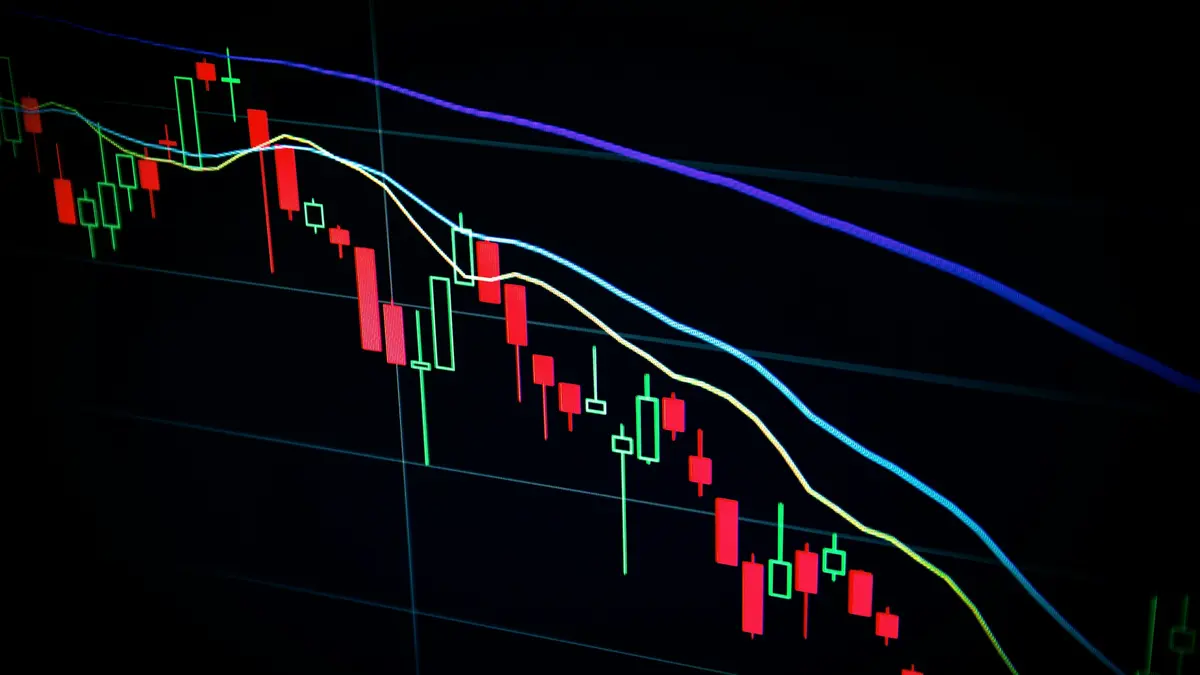
The Tel Aviv Stock Exchange suffered its sharpest single-day decline in over three years following election results that shocked investors, completely wiping out monthly gains in a wave of heavy selling focused on domestically exposed shares.
The market downturn saw major indices plunge sharply across the board. The Tel Aviv 90 index dropped 4.5%, the banking index tumbled by nearly 5%, and insurance shares faced steep losses exceeding 5%. The hardest hit was the construction sector index, which crashed by nearly 9%, dragging all affected segments into negative territory for the month.
Market Sectors Bucking the Trend
While the vast majority of local equities turned red, a few specific sectors managed to hold their ground. The oil and gas index demonstrated resilience, buoyed by high global energy prices driven by ongoing geopolitical tensions with Iran. Meanwhile, the software stock index—featuring prominent tech firms such as NICE Systems, Matrix, and others—has maintained relative stability, though most companies in this sector still carry year-to-date losses exceeding 20%.
Market experts noted that investors had previously ignored fundamental polling data pointing toward political stalemate. Investment managers explained that pre-election rallies defied clear survey indications showing no viable coalition path, leaving markets vulnerable to a sharp correction once election outcomes materialized.
Investor Sentiment and Reality Check
According to Eyal Shina, Chief Investment Officer at Pasternak Theumim, the sell-off heavily targeted the most sentiment-sensitive sectors of the economy.
"Investors realize they miscalculated prior to the election, leading to a significant capital outflow that explains the magnitude of the drop," Shina stated. "The initial optimism has faded, though this does not yet price in a catastrophe. The market is merely releasing hot air after unjustified pre-election gains."