Tel Aviv Stock Exchange Proposes Sharp Fee Hikes for Non-Marketable Securities
The Tel Aviv Stock Exchange plans to sharply increase fees for non-marketable securities, sparking institutional concerns following disappointing quarterly results and a recent stock drop.
The Tel Aviv Stock Exchange is planning sharp increases in fees charged to companies issuing non-marketable securities, primarily bonds and commercial paper issued outside the exchange. Under a draft tariff amendment published by the exchange, the annual clearing fee for a non-marketable security will surge from 3,597 shekels to 12,000 shekels, marking a 234% hike.
New Fee Structure and Projected Costs
For the first time, the exchange will levy an 8,500 shekel review fee for securities registration requests, even if the application does not ultimately result in listing within the clearing house. Furthermore, the exchange proposes a 23,000 shekel fee for establishing a repayment schedule, even for simple fixed-rate securities with equal principal payments. When security terms involve complex structures, an additional 15,000 shekel fee will apply. Registration fees will also shift to a uniform rate of 0.01% of the nominal value, with a minimum fee of 10,000 shekels.
Consequently, the cost of registering and maintaining a 100 million shekel non-marketable bond series with a standard repayment schedule during its first year could jump from approximately 8,600 shekels to about 53,500 shekels, representing a more than sixfold increase. The direct impact will hit entities raising debt outside the exchange, particularly companies issuing private bonds and commercial paper to institutional investors. However, these higher expenses could trickle down to institutional bodies and, indirectly, to everyday savers.
Rationale and Regulatory Process
The exchange defended the revisions by stating that current tariffs fail to reflect the operational resources and reputational risks associated with the service. The clearing house enables issuers to assign international identification numbers, display securities in investor portfolios, and automate payments despite the instruments not being traded publicly. The proposed tariffs are currently open for public commentary until December 7, after which approvals will be required from the board of directors of the Tel Aviv Stock Exchange and the Israel Securities Authority. The new pricing structure will not apply to clearing services for limited partnerships.
Financial Context and Market Performance
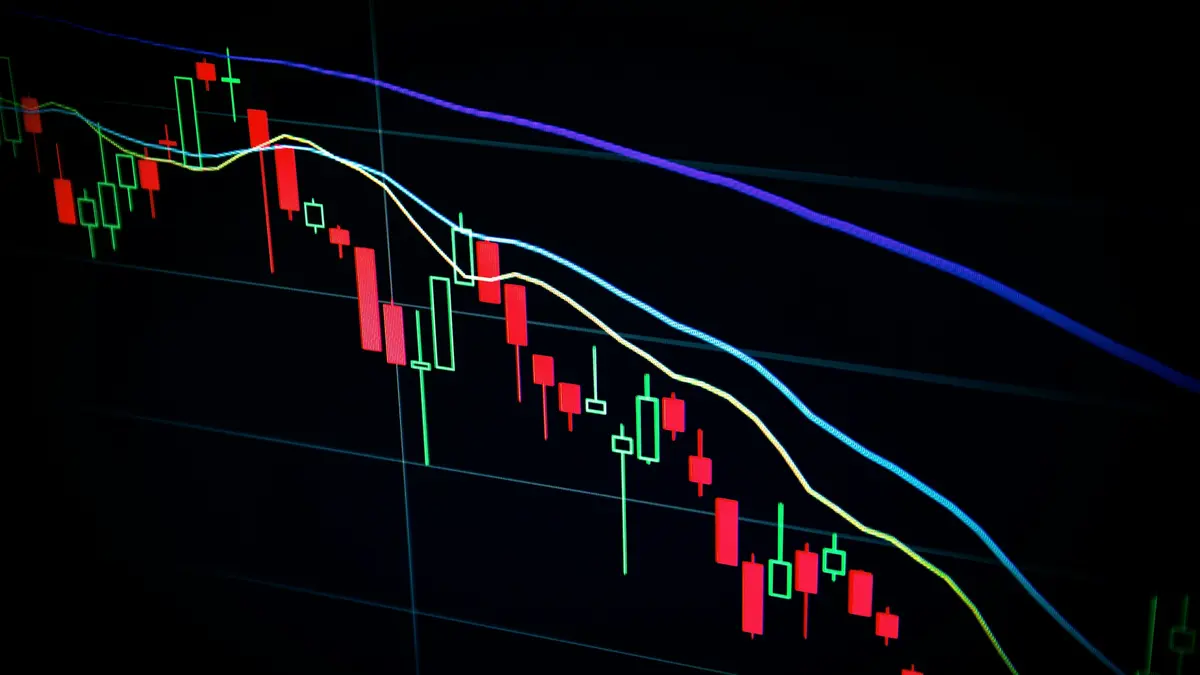
The fee adjustment follows the release of third-quarter financial results, which showed a net profit of 68.3 million shekels—a 37% increase compared to the same period last year, but a decline relative to the first two quarters of the year. Concurrently, clearing service revenues grew by 41% year-over-year to 55.6 million shekels. Investors reacted with disappointment, causing the stock to drop 14% since the beginning of November to a market capitalization of 11.8 billion shekels. Over the past five years, the stock has surged 727% amid climbing revenues and profits, while a 42% gain over the past 12 months reflects robust trading volumes. During the first nine months of the year, average daily trading volume jumped 62.5% year-over-year to 4.4 billion shekels.
This marks another step in the exchange's strategy of utilizing tariff hikes as a growth engine. In September 2024, the Israel Securities Authority approved a phased increase in custody fees, moving from 0.0105% in 2024 to 0.0025% in 2027, representing a cumulative 138% hike that drove custody revenues up 64% to 57.9 million shekels.