Tel Aviv Hosts Plays Highlighting Gaza Suffering Amid Public Debate
Two plays focusing on the suffering of Gaza residents during the war are being staged in Tel Aviv, drawing criticism over indirect municipal support for cultural venues.
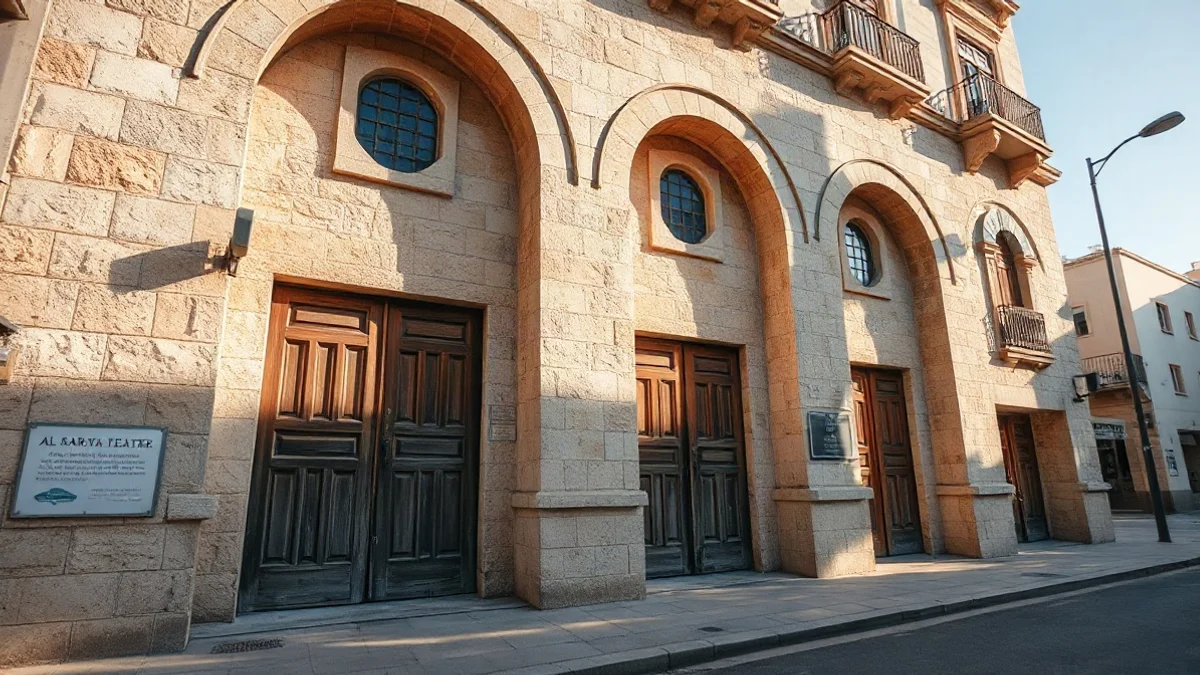
Two plays focusing on the suffering of Gaza residents during the war are set to be staged in Tel Aviv, sparking public debate over municipal support for cultural institutions hosting these productions. The first play, titled "Aisha Live Gaza" and performed at the Al-Saraya Theater, tells the story of a Gazan woman who runs an Instagram cooking channel that transforms into a daily log of hunger, food shortages, and survival after the outbreak of the war. Based on testimonies of women in Gaza, the production portrays the protagonist moving from her home to a tent, relying on canned food, herbs, and humanitarian aid.
The second production, "The Last Show in Gaza - The Immigrants," directed by Einat Weizman, is scheduled at the cultural center on Leonardo da Vinci Street. The play reconstructs a theatrical performance staged in the Strip prior to the outbreak of the war, incorporating testimonies about the destruction of cultural life in Gaza and the struggle of local artists to continue creating. The performance features two Arab citizens of Israel portraying the original Gazan actors.
While the Tel Aviv Municipality is not directly funding the plays, critics point out that the rehearsals and performances take place in venues that receive ongoing municipal subsidies and public funding, raising questions about indirect support for controversial cultural events.
In response, the Tel Aviv-Yafo Municipality stated that both plays are independent initiatives and not part of official municipal programming. Regarding the Leonardo da Vinci venue, the municipality explained that the space is rented out to independent artists according to standard regulations, and the city does not interfere with content unless it violates the law. As for the Al-Saraya Theater, the municipality noted that it does not intervene in events held by cultural institutions as long as they comply with legal requirements.