Tel Aviv Prepares Acoustic Cameras to Issue Fines for Illegal Vehicle Honking
Tel Aviv-Yafo is preparing to deploy acoustic camera systems at 11 intersections by early 2027 to automatically detect illegal vehicle honking and issue fines up to 1,000 shekels.
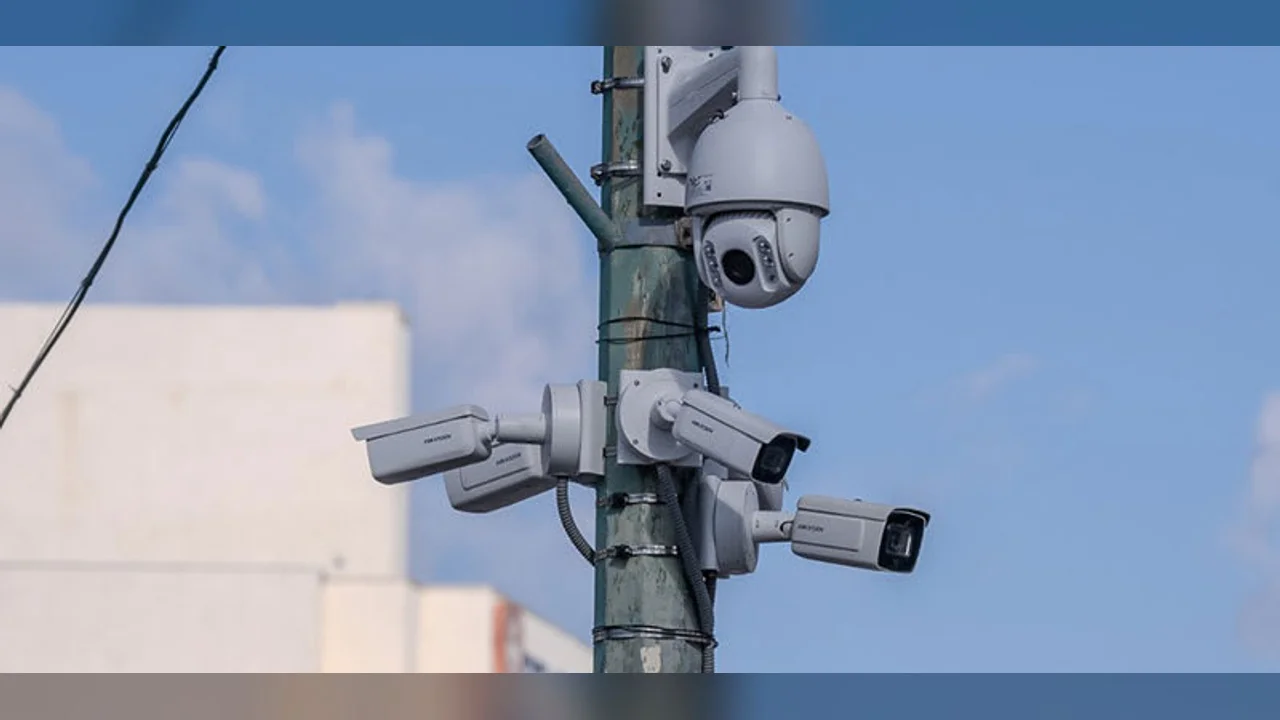
Tel Aviv-Yafo is preparing to deploy advanced acoustic camera systems designed to detect and penalize illegal vehicle honking across the city, following a precedent set by Petah Tikva. The electronic systems integrate acoustic cameras with dozens of microphones, noise sensors, and video cameras to isolate the source of a horn blast and record the surrounding circumstances.
Deployment Timeline and Fines
In the initial phase, the municipality plans to activate the technology across 11 key intersections, including the Bograshov-Tchernichovsky junction and the Rabin Square area. Full enforcement is scheduled to begin in the first quarter of 2027. Under the penalty structure, private drivers will face a 250-shekel fine for a first offense and a 500-shekel fine for repeated violations. When a vehicle is registered under a corporate entity, the fines increase to 500 shekels and 1,000 shekels, respectively. Last month, the firm NOize won the municipal tender to install and operate the system.
The detection process relies on an automated workflow. First, the system registers noises that exceed a pre-set decibel threshold. Algorithms then filter the ambient noise to identify a definitive horn blast based on acoustic signatures, while emergency sirens, such as those from ambulances, are programmed to be filtered out. Once a suspected violation is flagged, the event footage is transmitted to a control center, where a municipal inspector reviews the video, examines the license plate, and determines whether to issue a fine.
Overcoming Enforcement Hurdles
Meital Lehavi, Deputy Mayor of Tel Aviv-Yafo holding the Transportation, Road Safety, and LGBTQ+ Community portfolios, detailed the evolution of the initiative. She noted that while laws prohibiting honking existed, municipal inspectors previously refused to issue tickets due to the absence of a specific municipal bylaw and the risk of legal challenges in court. Although previous educational campaigns and billboard notices yielded limited results, technological advancements finally provided a legally defensible foundation for automated enforcement.
"In the beginning we learned the law that honking is forbidden, but supervision refused to enforce because there is no municipal bylaw and specifically because there is no standing before a court. Anyway, we insisted and hung signs, but that did not help," Lehavi explained. "Later we also did a campaign with billboards, but we found that appealing to public attention and general emotion does not work enough. Over time, technology developed that allowed us to reach regulated enforcement that is defensible before a court."
Privacy Concerns and Legal Balancing
The introduction of surveillance cameras in the public sphere has raised questions regarding the privacy of drivers and pedestrians who commit no infractions. Lehavi emphasized that the system is not intended to collect personal data on individuals, but rather to record the vehicle's immediate environment, license plate, and whether an emergency justified the honking. Privacy law experts, however, note that a license plate alone constitutes identifiable data.
Attorney Dan Hai, a privacy law specialist, argues that the privacy infringement is relatively minor compared to the broader public benefit. He asserted that motorists who violate noise regulations and disrupt the peace of others cannot reasonably claim privacy protections in that context. Hai stressed that strict distinctions must be maintained between event recording and long-term data retention, pointing to guidelines from the Privacy Protection Authority that mandate proportionality, transparency, and data minimization.
In response, the Tel Aviv municipality assured that the system complies fully with privacy regulations. The Ministry of Environmental Protection required all municipal suppliers to adhere to rigorous principles approved by the Privacy Protection Authority. Video and audio recordings that do not capture a confirmed illegal honking incident are deleted immediately. Material retained for enforcement purposes is stored for no more than five days before being permanently erased.
Regional and International Expansion
Petah Tikva became the first Israeli city to operate the NOize system operationally in mid-2024, deploying units at three intersections. Municipal data shows that Petah Tikva issues approximately 100 fines per month at 245 shekels per infraction, with plans to expand the technology to target loud motorcycles. Similar monitoring and enforcement systems are currently being advanced in Jerusalem, Ramat Gan, and other municipalities.
Based on Petah Tikva's rate of approximately 1,200 fines annually, gross annual revenue reaches roughly 294,000 shekels. If Tel Aviv achieves a comparable citation rate across all 11 locations, projected revenue could approach 1.1 million shekels per year based on a baseline 250-shekel fine, though actual figures will depend on traffic volume and driving patterns. Internationally, New York City's 2025 annual report noted that acoustic cameras recorded 15,994 noise events, resulting in 1,691 citations, meaning roughly 11% of recorded incidents culminated in a fine.