Convicted Teacher Named After Supreme Court Rejects Appeal in Abuse Case
Following a five-year legal battle, the name of convicted sex offender Amiel Sharabi, a former high school teacher, has been cleared for publication as the victim speaks out on the grueling judicial process.
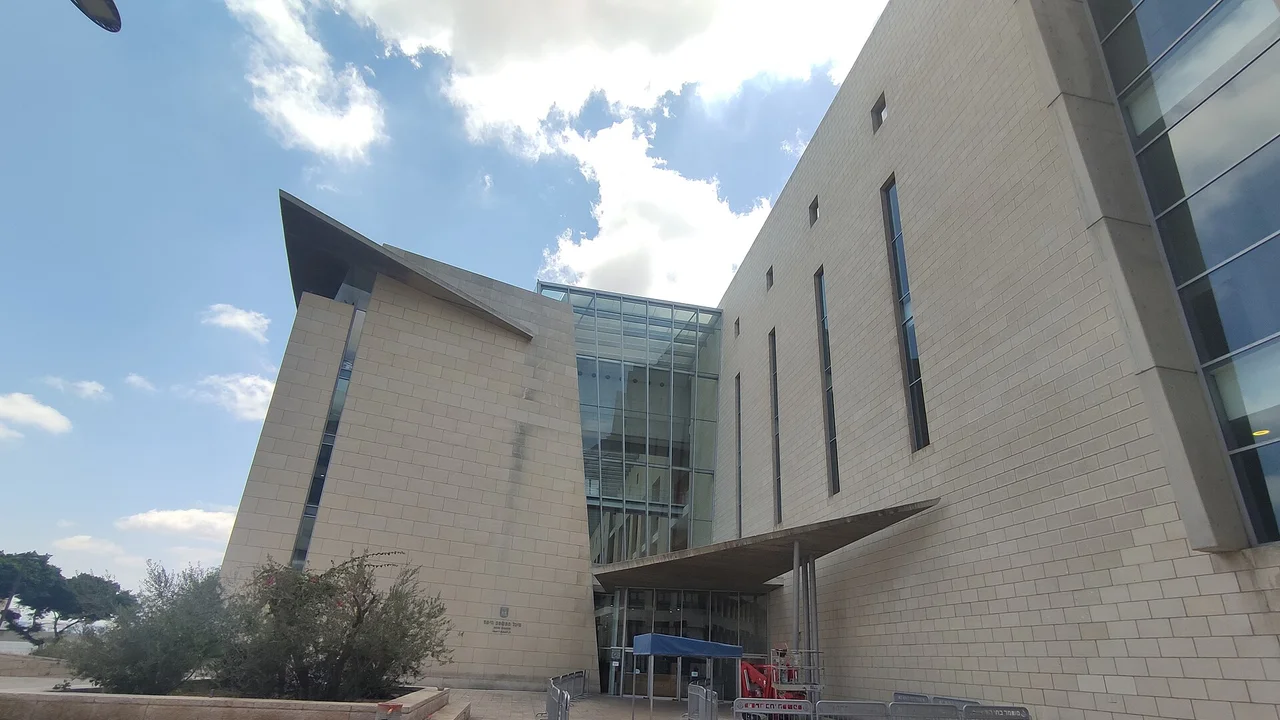
For many years, the victim, known as M., refused to define his ordeal as sexual abuse, despite vividly remembering a series of acts that began when he was in the eighth grade and continued through middle and high school. "I called it a 'complex relationship,' which had good parts and bad parts," he recalled. Today, following the abuser's conviction, those acts can finally be called by their proper names: rape and indecent assault. Following a lengthy legal battle waged by M. alongside the press and legal counsel, the identity of the offender has been cleared for publication: Amiel Sharabi, who served as a teacher at the religious high school M. attended.
A Long and Arduous Road to Justice
More than five years have passed since M., now in his 30s, decided to file a police complaint against Sharabi. Looking back, M. acknowledges the heavy personal toll exacted by the judicial process. "In hindsight today, I cannot recommend anyone to do this," he said. While noting that most professionals he encountered along the way were empathetic and attentive, the proceedings themselves were grueling and prolonged by repeated hearing delays. This dragged-out legal ordeal took a severe psychological toll, culminating in a recent diagnosis of depression. "The soul can no longer take it," he stated. Frustration also mounted over a prolonged gag order initially imposed to protect his privacy as a minor, which remained in place long after he felt it was necessary. Sharabi's defense opposed naming him, citing potential harm to his wife and children. However, the Haifa District Court rejected these arguments, ruling that given the severity of the convicted sex offenses, "there is a distinct public interest in exposing the details." An appeal filed by Sharabi to the Supreme Court was subsequently dismissed.
The Relationship and the Escalation of Abuse
M. first encountered Sharabi when the teacher led his classroom during his final two elementary school years in The North. When Sharabi announced his departure for another educational institution, M. and several other students followed him. M. described a close relationship that functioned as a paternal substitute. "My father is a public figure, I did not have a close relationship with him in those years, and I was looking for my own figure," he explained, speaking during short breaks amid reserve military duty. "It was really at the level of butterflies in the stomach, a desire for him to look at me, to see me." The dark turning point arrived in the summer between seventh and eighth grade, when Sharabi summoned him to his office and initiated physical contact. That confusing encounter opened the door to years of escalating abuse. A recurring pattern emerged wherein M. sought out Sharabi's closeness to unload the distress caused by the prohibited contact, leading to temporary relief before the cycle repeated.
Breaking the Silence and Seeking Systemic Change
The wall of silence finally began to fracture in May 2021 during Operation Guardian of the Walls, when M. fell victim to a severe lynching attempt in a mixed city, leaving him physically and emotionally traumatized. During subsequent trauma therapy, he found himself discussing the abuse he endured as a teenager for the very first time. "That was the first time I called it sexual abuse," he noted. Months later, he disclosed the truth to his wife and father. Upon discovering that another former student had filed a police complaint against Sharabi a year and a half prior, M. resolved to act. "As soon as I heard that, I decided I was going to war," he said. Throughout the trial, M. and the second complainant presented consistent, detailed accounts. The Haifa District Court judges noted that "there is not a shadow of truth" in Sharabi's testimony, and convicted him a year ago. In the coming weeks, a sentencing hearing is scheduled to take place. Attorney Azriel Friedenberg, representing Sharabi, stated that the Supreme Court's ruling is respected, while noting that the legal process remains ongoing ahead of the sentencing phase.