Taiwan Seeks Entry Into Israeli Public Transit to Challenge China
Taiwan aims to enter Israel's public transportation market, offering advanced transit technology and challenging China's prominent footprint in local infrastructure projects amid growing U.S. backing.
Taiwan is seeking to enter Israel's public transportation market, presenting one of the most prominent potential shifts against Chinese industrial presence in the country, according to Taiwan's Deputy Foreign Minister, François Wu. In an interview, Wu emphasized that Taiwan has substantial expertise to offer Israel from its advanced public transit sector, despite Taipei's diplomatic isolation from international bodies due to Beijing's pressure.
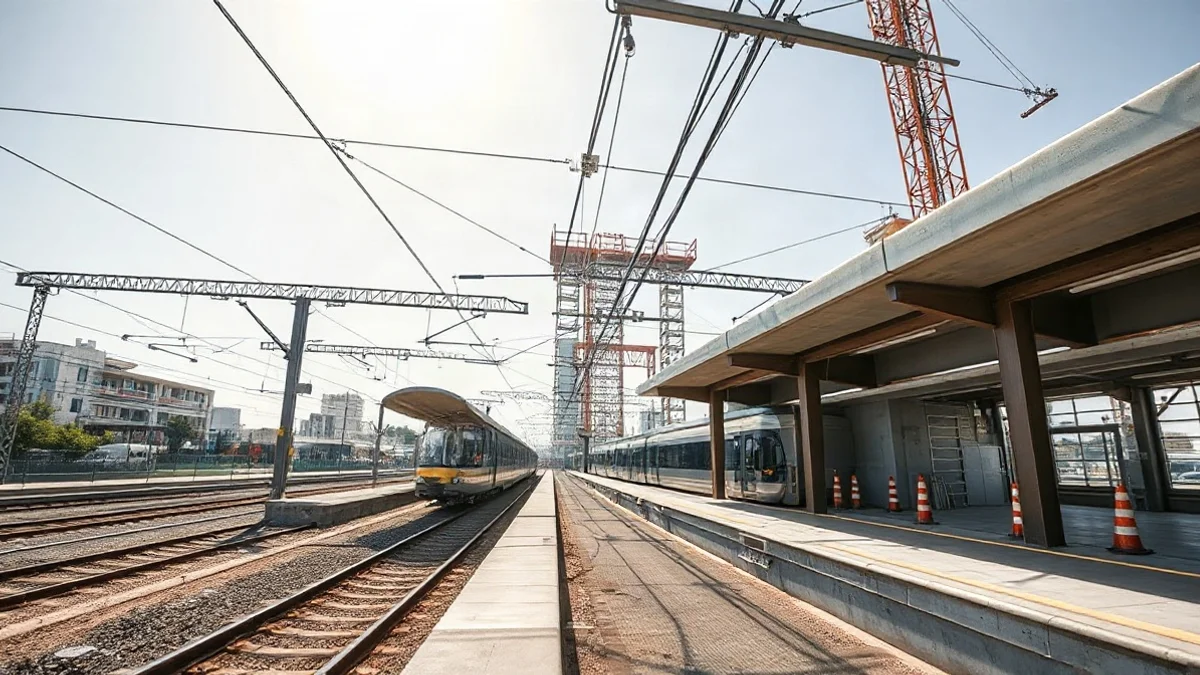
While the average Western observer primarily associates Taiwan with advanced semiconductors, its domestic transportation network is highly sophisticated. The island features a high-speed rail line stretching along the western coast from Taipei in the north to Kaohsiung in the south, complemented by a comprehensive national railway network and extensive urban metro systems in major cities, including airport rail links.
Contesting China's Footprint in Israeli Infrastructure
Taiwanese involvement could challenge China's dominant position in major Israeli infrastructure projects. China has historically held a massive footprint in local transit development, notably supplying rolling stock and tunneling expertise for the Tel Aviv Light Rail's Red Line through firms like CRTG, EEB, and CRRC, alongside Shenzhen Metro's stake in the operating company Tevel, partnering with Egged. However, mounting U.S. pressure and recent municipal exclusions of Chinese bidders in Jerusalem and Gush Dan have opened strategic opportunities for alternative international partners.
Taiwanese technology firms specializing in transit communications and traffic management—such as Moxa, Advantech, and Tainte—along with electric bus manufacturers like Master Transportation, Foxtron, and RAC, are well-positioned to enter the Israeli market. This potential expansion aligns with Washington's broader strategic efforts to counter Chinese infrastructure dominance in allied nations, supported by robust diplomatic ties between Washington and Taipei.
Geopolitical Dynamics and Semiconductor Dominance
Taiwan's geopolitical significance is anchored by its unmatched dominance in advanced microelectronics. Valued at $2.058 trillion, Taiwan Semiconductor Manufacturing Company (TSMC) trails only Nvidia globally, producing over 90% of the world's most advanced semiconductors. This technological supremacy underpins strong Western backing for Taipei amid rising military pressures and Beijing's territorial claims under the One China policy.
François Wu's diplomatic visit to Israel last December underscores these delicate geopolitical sensitivities. Initially conducted discreetly and later reported by international media, the visit highlights the shared democratic values between Taipei and Jerusalem. Entering Israel's public transportation sector would mark a significant milestone in bilateral relations, offering a viable alternative to traditional Chinese contractors.