Supreme Court Increases Sentences for Bulldozer Jewelry Store Robbers
The Supreme Court increased the prison sentences from four to five years for two men who robbed a Kafr Manda jewelry store using a bulldozer. The court also ordered each defendant to pay 30,000 shekels in compensation to the victim.
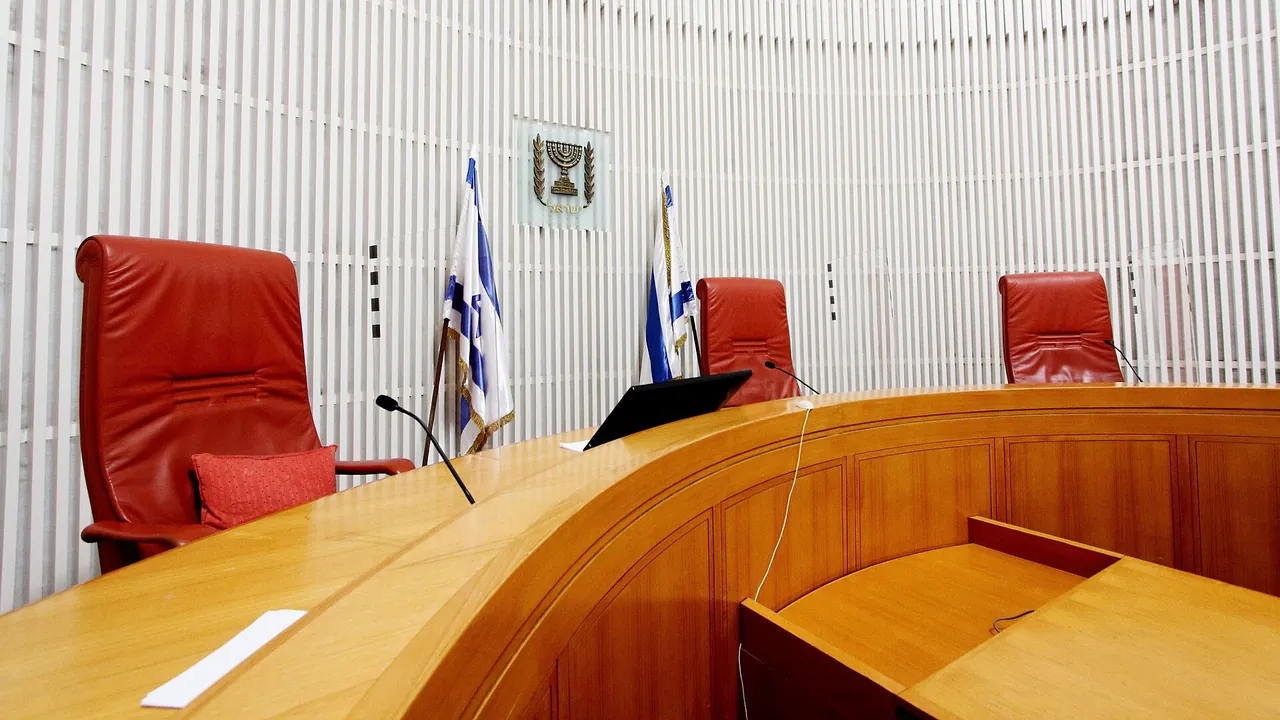
The Supreme Court increased the prison sentences on Monday for two individuals convicted of robbing a jewelry store in the Arab village of Kafr Manda using a bulldozer, during which jewelry valued at nearly two million shekels was stolen. The sentence for each of the defendants was increased from four to five years in actual imprisonment, and the two were ordered to pay the victim a total compensation of 60,000 shekels.
The audacious robbery involved a group of perpetrators who arrived at the jewelry store in Kafr Manda, destroyed part of its exterior wall with a bulldozer, broke inside, and looted jewelry worth close to two million shekels. Prior to the heist, the participants armed themselves with operational cell phones, face masks, gloves, sacks for collecting the loot, and vehicles, one of which carried a forged license plate. Some of the accomplices were also equipped with firearms.
Previously, the Haifa District Court had sentenced Murad Grifat and Luai Zangariya, who confessed to armed robbery under aggravating circumstances, to four years in prison each, without ordering any compensation for the victim. The Criminal Division of the State Attorney's Office, represented by Attorney Noga Ben-Sidi, appealed the lenient sentences, arguing that the original punishment failed to reflect the severity of the acts, the meticulous planning, the exceptional audacity, and the circumstances of the crime.
The Supreme Court accepted the State Attorney's position, ruling that the initial sentencing range was inadequate. The ruling emphasized that the societal need to restore security to the streets requires harsher punishments for violent offenders. The court also upheld the appeal regarding compensation, determining that the return of the stolen jewelry to its owners does not negate the requirement to compensate the victim for property damage and emotional distress, ordering each defendant to pay 30,000 shekels.