Storage Drop Shares Plunge 98% as Flagship Tnuva Project Faces Suspension
Storage Drop, formerly chaired by Gadi Eisenkot, saw its market value plunge 98% to 4 million shekels following the suspension of its flagship project with Tnuva due to infrastructure defects.

While former Israeli military chief Gadi Eisenkot steps into the political spotlight after receiving the mandate to form a government from President Isaac Herzog, the capital market paints a starkly different picture of his past corporate ventures.
Shares of the energy storage firm Storage Drop, which Eisenkot chaired from April 2021 until entering politics in late 2022, have suffered a catastrophic collapse of over 98%. The company, which debuted on the Tel Aviv Stock Exchange in July 2021 following a merger with a shell company at a valuation of approximately 260 million shekels, is currently traded at a paltry market capitalization of just 4 million shekels.
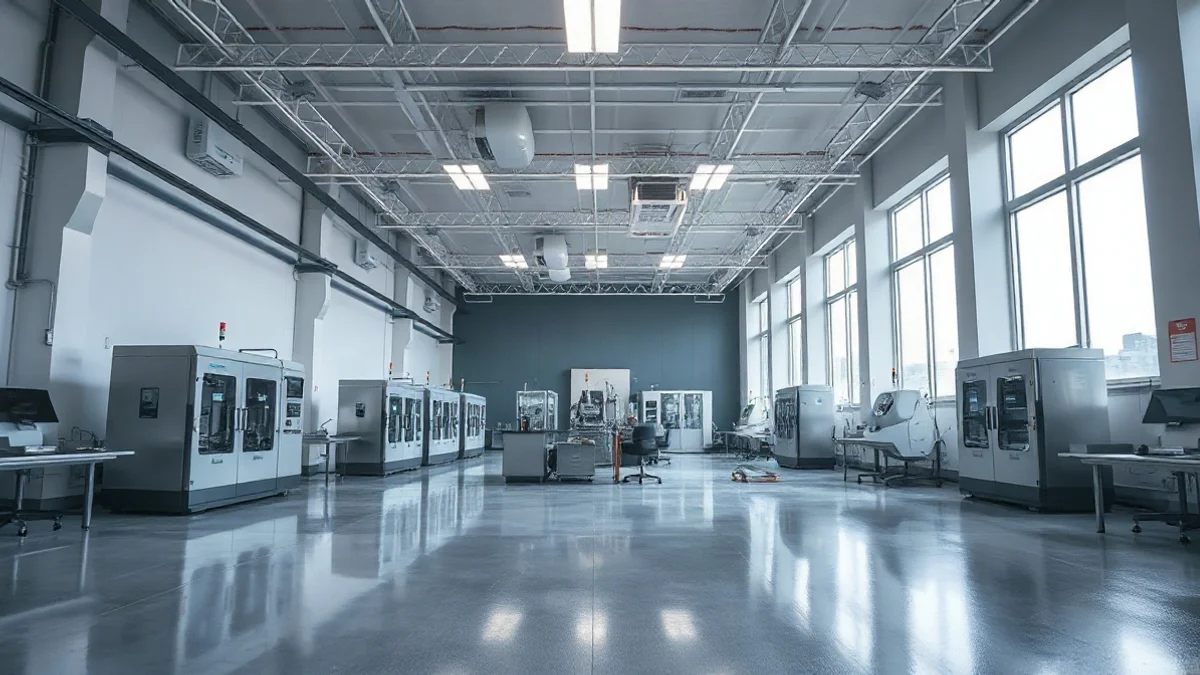
The turbulence facing the clean-tech firm intensified after it announced the suspension of its flagship project with the food conglomerate Tnuva. According to market reports, Storage Drop informed the stock exchange that it was halting construction on an air-compression facility at a plant in Alon Tavor — roughly a month before its scheduled completion — due to complex infrastructure defects discovered at the site.
Project Halt and Financial Strain
The company emphasized that the agreement has not been officially cancelled, but conceded that serious doubts remain regarding its economic viability. The soaring costs required to rectify the structural failures threaten to undermine the entire initiative, whose projected annual revenues were previously estimated at around 1 million shekels.
This setback delivers a heavy blow to a firm long struggling to generate meaningful commercial activity. According to its financial statements for the first half of 2026, revenues stood at a mere 19,000 shekels, accompanied by an operating loss of 1.46 million shekels. Over the past three years, Storage Drop has accumulated heavy losses totaling approximately 11.4 million shekels.
Cash Burn and Going Concern Warning
At the end of June, the company held just 1.82 million shekels in cash reserves, secured primarily through capital raises, which provides a runway of roughly one year at the current burn rate. Consequently, independent auditors attached a severe going concern warning to the financial reports, highlighting substantial doubts about the firm's survival without fresh capital injections.
Amidst the deepening crisis, the company is attempting to advance the development of an industrial cooling system dubbed CoolDrop, backed by European Union funding, ahead of a commercial pilot scheduled for 2027. However, no binding agreements have been signed yet, leaving this avenue without immediate revenue.