New Study Casts Doubt on Scottish Origin of Stonehenge Altar Stone
A new study published in the Journal of the Geological Society challenges the theory that Stonehenge's Altar Stone originated in northeast Scotland, narrowing down the geological mystery.
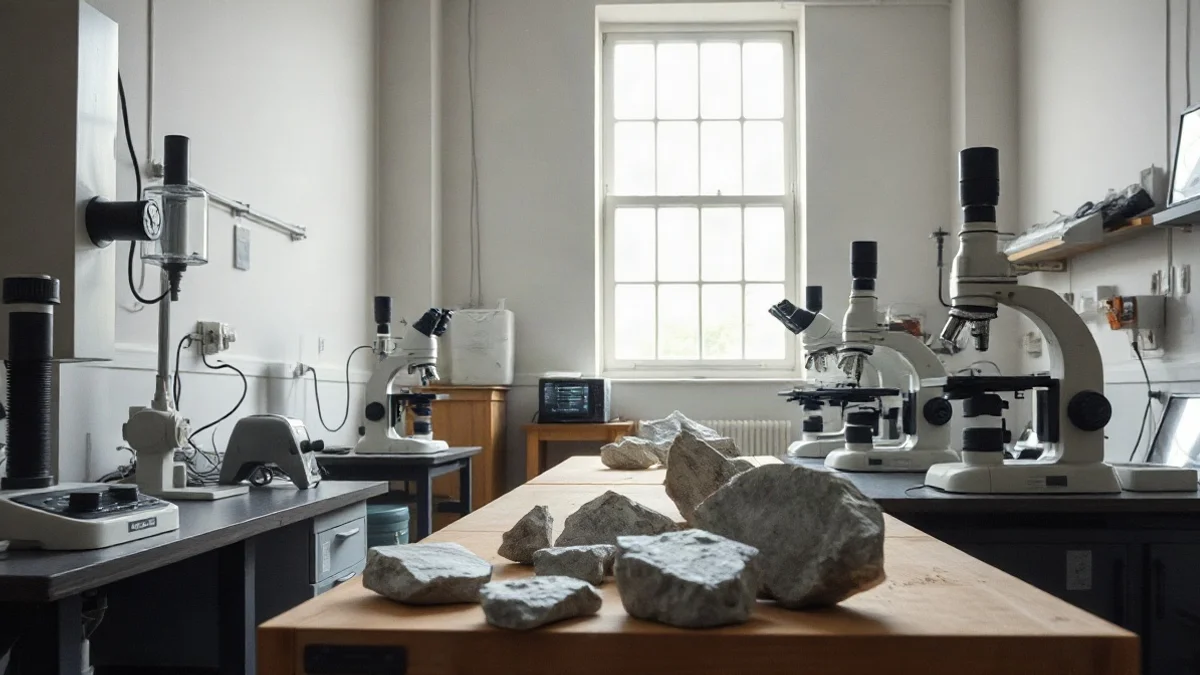
A new peer-reviewed study published in the Journal of the Geological Society challenges long-held theories regarding the origin of Stonehenge's mysterious Altar Stone, concluding it likely did not come from northeast Scotland. Researchers found no geological match between the unique rock composition of the monument and rock exposures in the Orcadian Basin.
Erected in stages between 3000 and 1600 BCE on Salisbury Plain in southern England, Stonehenge features bluestones transported from Wales, but the exact source of the massive six-ton sandstone monolith has remained a decades-long mystery.
Advanced Laboratory Testing
Led by scientists from the University of South Wales alongside an international team, the study relied on extensive field surveys and advanced laboratory tests of eight museum stone fragments. Researchers combined non-destructive monument testing with detailed mineral and chemical composition analysis.
"This is the most comprehensive geological study ever conducted on the Altar Stone," stated lead researcher Prof. Emeritus Duncan Pirrie. He added that the probability of it originating from northeast Scotland is extremely low, and it certainly did not come from southern Britain.
Geological Fingerprint
The key to solving the mystery lies in constructing a unique geological fingerprint combining mineralogy, chemical elements, and isotopic ratios. Prof. Richard Bevins noted that while researchers previously suspected Wales and later Scotland, ruling out the Orcadian Basin refines the search map, bringing scientists closer to uncovering prehistoric trade routes and human mobility.