Stephen Curry Opens Up on Aging and Career Twilight With Warriors
Golden State Warriors star Stephen Curry opens up about managing his physical decline at age 38, altering his training regimen, and preparing for the final chapter of his career.
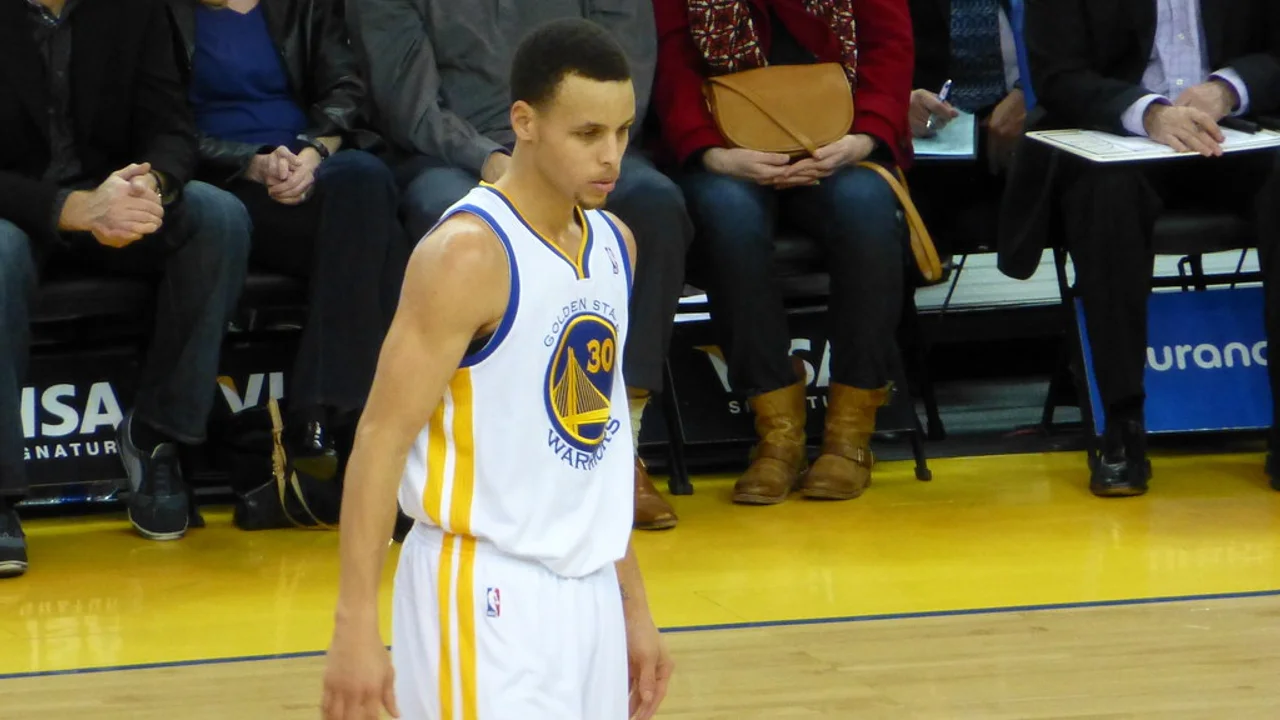
Stephen Curry can still orchestrate 40-point masterclasses and remind the basketball world why he is regarded as one of the greatest players in NBA history. Behind the scenes, however, the Golden State Warriors superstar is locked in a very different battle: a grueling fight between his body and the relentless march of time.
At 38 years old, Curry has been forced to overhaul his entire training regimen and physical maintenance routine, reducing workloads and coping with injuries that have sidelined him for extended stretches. Speaking in an interview, the veteran guard admitted the physical toll serves as a sobering reality check. "It sucks, because it is a reminder that you are mortal. Basketball mortality," he reflected.
The warning signs emerged in late January when Curry began experiencing discomfort in his right knee during a practice session in Minneapolis. Despite the pain, he attempted to play through it and scored 23 points against the Detroit Pistons, but struggled to finish the contest. Subsequent medical examinations revealed no structural damage, but diagnosed patellofemoral pain syndrome, commonly known as runner's knee, compounded by cartilage wear and a bone bruise that severely hampered his recovery.
The Road to Recovery and Load Management
The resulting absence kept Curry off the court for 27 games over 65 days, a period marked by frustration and uncertainty. Questions weighed heavily on his mind regarding whether he would have to manage the chronic issue for the remainder of his career or if it would permanently diminish his on-court effectiveness. Although he returned ahead of the season's conclusion and delivered several stellar performances, he recognized that his body could no longer handle the same heavy demands.
During the offseason, the Warriors medical staff urged Curry to dial back the intensity of his training. Instead of pushing himself to the absolute limit in every session, he learned to conserve energy. Head coach Steve Kerr noted that Curry now incorporates more cycling and underwater treadmill work, minimizes time spent pounding on his feet, and even uses golf as a low-impact way to maintain movement without placing excessive stress on his knees.
The adjustments are equally evident on the hardwood, where the Warriors have capped Curry's playing time at roughly 28 minutes per night, avoided deploying him in back-to-back fixtures, and reduced his required offensive movement. While he once covered between 2.3 and 2.6 miles per game, that figure has dropped to approximately 1.9 miles. Curry acknowledges that accepting these restrictions is difficult, but recognizes their absolute necessity to ensure he remains available when it matters most.
Preparing for the Final Chapter
Curry's financial decisions before the start of the season also reflect his perspective on the future. He signed a two-year contract extension worth 116 million dollars, walking away from roughly 10 million dollars to provide the Warriors with greater salary cap flexibility. He conceded that the agreement will likely serve as one of his final contracts, if not the last.
"I assumed this would probably be one of the last contracts I sign, if not the last. I am not afraid to say that," Curry stated, before adding with a smile, "Maybe I'll surprise myself and want to keep going."
He also emphasized that transitioning into a secondary role later in his career to chase another championship would not wound his ego, asserting simply that winning remains his ultimate priority. While he understands that his playing days are drawing closer to a close, Curry is not yet thinking about retirement and intends to savor every remaining moment on the court.