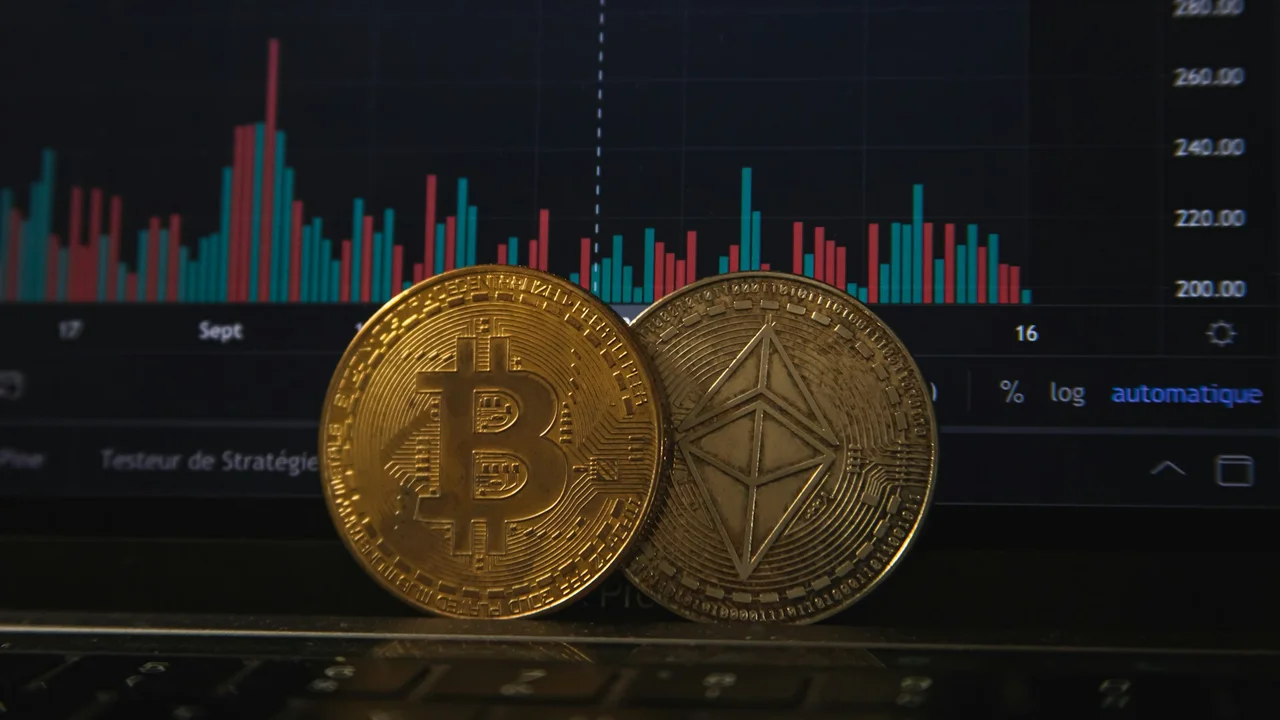
US Investment Giants State Street and First Trust Prepare to Enter Israeli ETF Market
US giants State Street and First Trust prepare to enter Israel's ETF market, challenging BlackRock and Invesco amid rising retail investments in international index funds.
Two major US investment giants, State Street and First Trust, are preparing to enter the Israeli exchange-traded fund (ETF) market, as reported over the weekend by Calcalist. Both firms are advancing procedures to list ETFs tracking international indices for trading on the Tel Aviv Stock Exchange (TASE), mirroring moves made in recent years by BlackRock and Invesco.
Expanding Competition in the Local Market
Their entry is expected to intensify competition in the local market, where currently only two foreign companies operate. Five years after beginning trade in Israel, Invesco has reached 10 billion shekels in assets under management across its funds. BlackRock, which entered the market in July 2019, manages approximately 30 billion shekels in funds. Shay Yona, Invesco's representative in Israel, notes that 75% of activity in foreign funds traded in Tel Aviv originates from retail investors.
In an interview with Calcalist, Yona explains the advantages of foreign funds, addresses the ongoing debate regarding their taxation, and comments on Calcalist's revelation that two additional American firms—ranking among the ten largest ETF managers in the US—are working towards entering Israel. He emphasizes that foreign funds should be viewed separately from the broader Israeli mutual fund market.
"We do not compete with the entire mutual fund market, but rather with ETFs tracking foreign indices and exposed to foreign currency. We need to exclude money market funds, active funds, and funds tracking Israeli indices from the comparison. Over the past two years, a significant portion of new money from retail investors heading into foreign-tracked funds has been directed to us or BlackRock."
Management Fees and Tax Differences
One of the primary drivers behind the growth of foreign funds, often called Irish funds due to their Irish incorporation, is low management fees. An Invesco fund tracking the S&P 500 charges a 0.09% management fee, compared to 0.8% at IBI and 0.7% at Tachlit, a subsidiary of Meitav. Yona states that the public votes with its feet, seeking stability in management fees over a 10- or 20-year horizon.
Another central topic is US taxation on dividends distributed by index constituent companies. Yona points out structural differences among funds:
-
Synthetic replication: Funds tracking US indices like the S&P 500 and Russell 2000 utilize synthetic replication, avoiding withholding tax on dividends under current US law.
-
Physical replication: Physical Irish funds, such as those offered by BlackRock, typically incur a 15% withholding tax on dividends, impacting annual yields by roughly 0.225%.
Local fund managers frequently argue that competition against foreign funds is unfair. Yona dismisses the criticism, asserting that the shift in investment habits is already palpable. He points out that foreign funds have attracted over 20 billion shekels that otherwise would have flowed to local managers, leaving Israeli competitors in a challenging position.