State-Backed Maritime Cargo Insurance Fund Set to Expire on November 30
Israel's state-backed cargo insurance fund for maritime shipping is set to expire on November 30, threatening importers with severe coverage gaps as regional tensions escalate and major shipping lines cautiously resume Red Sea transits.
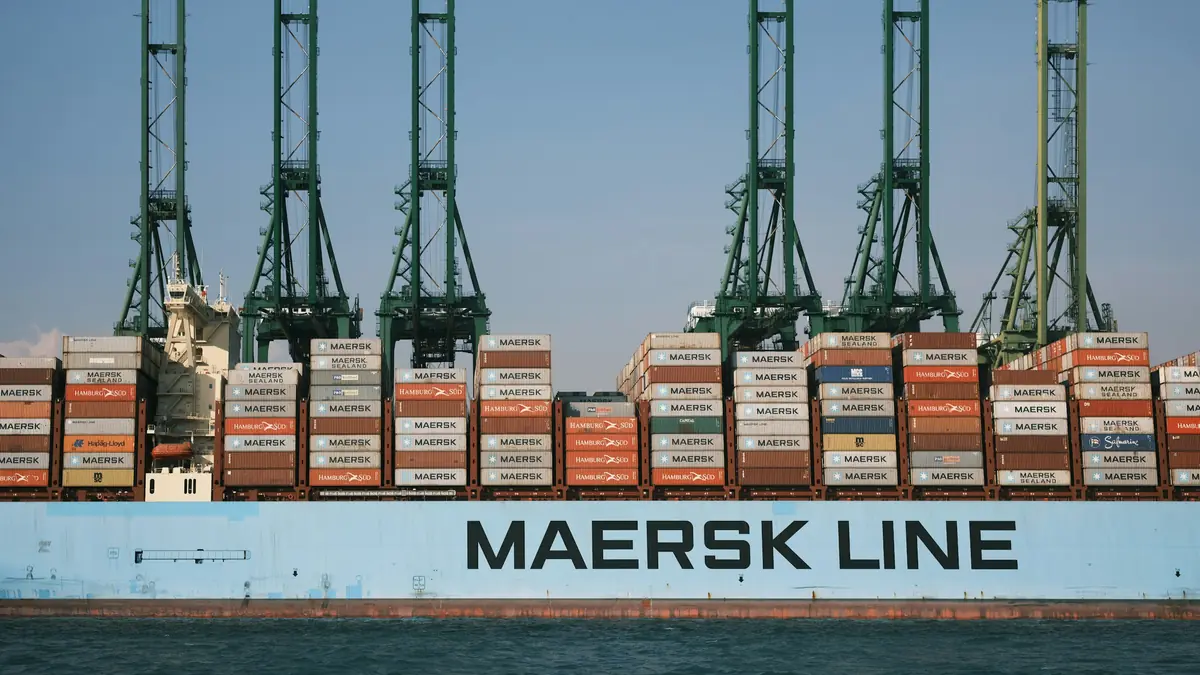
As Middle East tensions escalate and the prospect of a renewed all-out conflict involving Iran, the US, and Israel looms large, maritime shipping faces a critical coverage gap. On November 30, the state-backed cargo insurance fund established by the Ministry of Finance in March is set to expire, leaving shipping companies without government backing.
The urgency of this state support was underscored recently when the Greek-owned container ship Contship Jet, operating under ZIM and departing from Haifa Port, was attacked by three unmanned surface vessels and sunk in the Black Sea—a central theater of the Russia-Ukraine war.
Strategic Shifts and Regional Risks
Meanwhile, shipping traffic through the Strait of Hormuz suffered a crippling blow due to Iranian blockades and the US embargo. At the same time, Houthi rebels in Yemen have focused their blockade on neighboring Saudi Arabia rather than Israel, controlling the southern gateway to the Red Sea at Bab el-Mandeb, through which approximately 12% of global oil trade passes.
This blockade against Saudi Arabia explains why Egypt's parliament approved a mandate on October 26 for President Abdel Fattah el-Sisi to deploy military forces or defensive support to the Saudis. The northern gateway to the Red Sea is the Suez Canal, a vital revenue source for Egypt's economy, which has suffered amid Houthi disruptions during the Swords of Iron war.
Cairo data indicates that in the 2024-2025 fiscal year, canal operations plunged by roughly 52% year-on-year, revenues dropped 47.7% to 3.8 billion dollars, and economic growth was shaved by 0.63%.
State Compensation Framework
Following earlier Houthi disruptions, Iranian aggression in the Hormuz region compounded global economic pressures. Consequently, on March 19, Tax Authority Property Tax Fund Director Amir Dahan issued guidelines regarding compensation for cargo carried on vessels seized under wartime conditions.
Under this framework, cargo loss resulting from vessel hijacking linked to war against Israel qualifies as war damage and is compensable if the cargo cannot be released in the foreseeable future. The insurance covers the period from loading to unloading, with premium rates set at 0.5% annually for cargo values up to 2 million dollars, and 4.5% annually for the surplus value.
Elad Barshan, a customs and international shipping expert at Moran Cargo, warns that a significant insurance gap is opening up. With geopolitical tensions remaining high and commercial policies excluding war risks, importers risk losing coverage just as supply chains require long-term predictability.
The Return to the Red Sea
State backing was initially designed to encourage shipping lines to maintain regular calls at Israeli ports despite commercial insurers refusing coverage. However, despite lingering regional threats, major global shipping giants such as Maersk, Hapag-Lloyd, Cosco, and Yang Ming have recently begun resuming transits through the Red Sea, offering relief to global supply chains and reducing shipping costs before any potential regional conflagration.