Stadium Light Shows Pose Hidden Health Risks for Israeli Football Fans
Modern stadium light shows and sensory intensity in Israeli football leagues present health and psychological risks for fans with epilepsy and post-traumatic stress disorder.
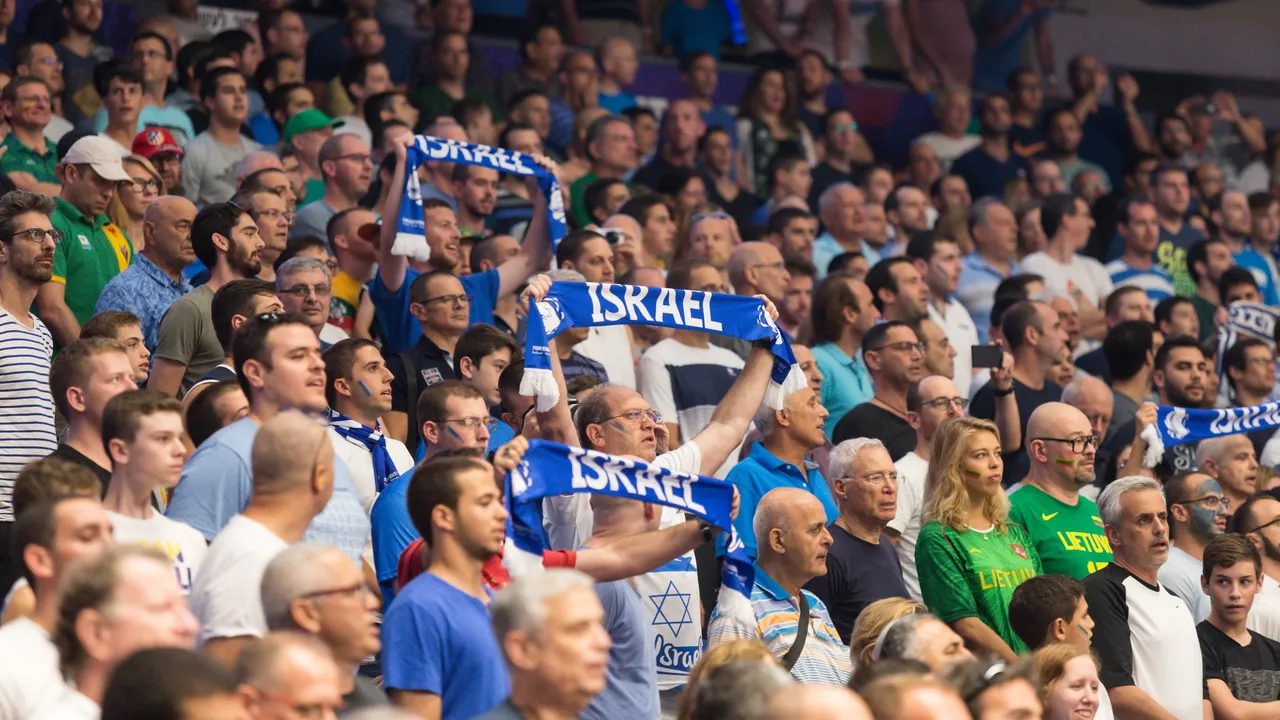
Modern Israeli football stadiums have increasingly adopted dazzling pre-match light shows to welcome teams onto the pitch. Prominent clubs including Maccabi Tel Aviv, Beitar Jerusalem, Hapoel Be'er Sheva, Maccabi Haifa, and Maccabi Netanya utilize specialized lighting systems to elevate the spectator experience. However, while most supporters enjoy the pyrotechnics and illumination, these visual spectacles can pose significant health risks and distress for vulnerable groups in the stands.
Health Hazards for Epilepsy and Migraine Sufferers
Medical literature establishes a clear link between photosensitivity, epilepsy, and severe headaches. For individuals dealing with epilepsy who are sensitive to light, strobe effects and rapid flashes can trigger abnormal electrical brain activity, potentially leading to seizures. Studies and fan accounts indicate that intense visual stimuli also induce severe migraines and related symptoms. Despite wearing sunglasses or hats to mitigate exposure, affected fans often experience acute distress as the stadium builds anticipation right before kickoff. Data from the Israeli Epilepsy Association shows that approximately 100,000 individuals live with the condition nationwide, highlighting a complex dilemma for clubs balancing spectacle with accessibility.
The Impact on Post-Trauma and Combat Veterans
Beyond neurological sensitivities, the broader sensory environment of modern matches affects fans dealing with post-traumatic stress disorder, particularly in the context of recent years of conflict. Zorit Gottfried, an occupational therapist and trauma specialist with two decades of experience, serves as the assistant director of the Mazor Mental Health Center in Acre and heads the Shahar Trauma Center established in response to the October 7 events. She notes that bright flashes and sudden explosions frequently serve as traumatic triggers, instantly inducing flashbacks for combat veterans and citizens alike.
"The flashbulbs can act as a trigger for a traumatic memory and plunge someone into a flashback," Gottfried explains. "There are no shortage of people whose traumatic event is tied to explosions and bursts of light."
According to Gottfried, light shows represent only one component of a high-arousal environment that includes deafening stadium noise, roaring chants, and public address announcements. Many individuals with PTSD operate at extremely high baseline vigilance, meaning that dense crowds and unpredictable physical contact can be equally prohibitive. She points to a former dedicated supporter and combat soldier who has stopped attending matches entirely since October 7, driven away by sensory overload rather than lighting alone.
Emerging Accommodations and League Oversight
Despite the multifaceted challenges, trauma experts emphasize that football clubs bear a responsibility to make matches accessible for the tens of thousands of citizens and soldiers living with PTSD. Recommended adjustments include lowering loudspeaker volumes, distributing protective earplugs, and designating seating areas near exit routes to allow distressed fans to leave quickly.
Some major clubs have already taken initial steps to address these concerns. Maccabi Tel Aviv established designated "quiet zones" across all gates at Bloomfield Stadium, allowing combat veterans and distressed supporters to retreat to a calmer space and return when ready. Similarly, Beitar Jerusalem allocated a dedicated zone in the southern stand at Teddy Stadium, near Gate 19, accessible with the assistance of security personnel.
Meanwhile, the Professional Football Leagues Board enforces regulatory oversight by requiring clubs to provide advance notice of scheduled light shows. Stadium announcers must issue verbal warnings, corresponding alerts must appear on stadium screens, and match observers are tasked with ensuring compliance. Erez Kalfon, chairman of the Leagues Board, emphasized the institutional commitment to inclusivity:
"We all attach great importance to addressing the needs of people with disabilities and trauma victims. We owe our trauma victims our lives and the ability to continue enjoying football. We have instructed all teams to cooperate with them to ease their time in the stadiums, and we consider participation in such initiatives a great honor."
While light shows represent just one facet of the evolving football experience, the growing exclusion of vulnerable fans underscores the ongoing challenge of ensuring that stadium spectacles remain welcoming to the entire community.