Be millionaires, but not so fast: Restrictions on employees planned by the AI giant
Anthropic, developer of the Claude AI model, is preparing for an IPO and is considering restricting employees' ability to sell shares, including price and timing limitations, amid market volatility for AI companies.
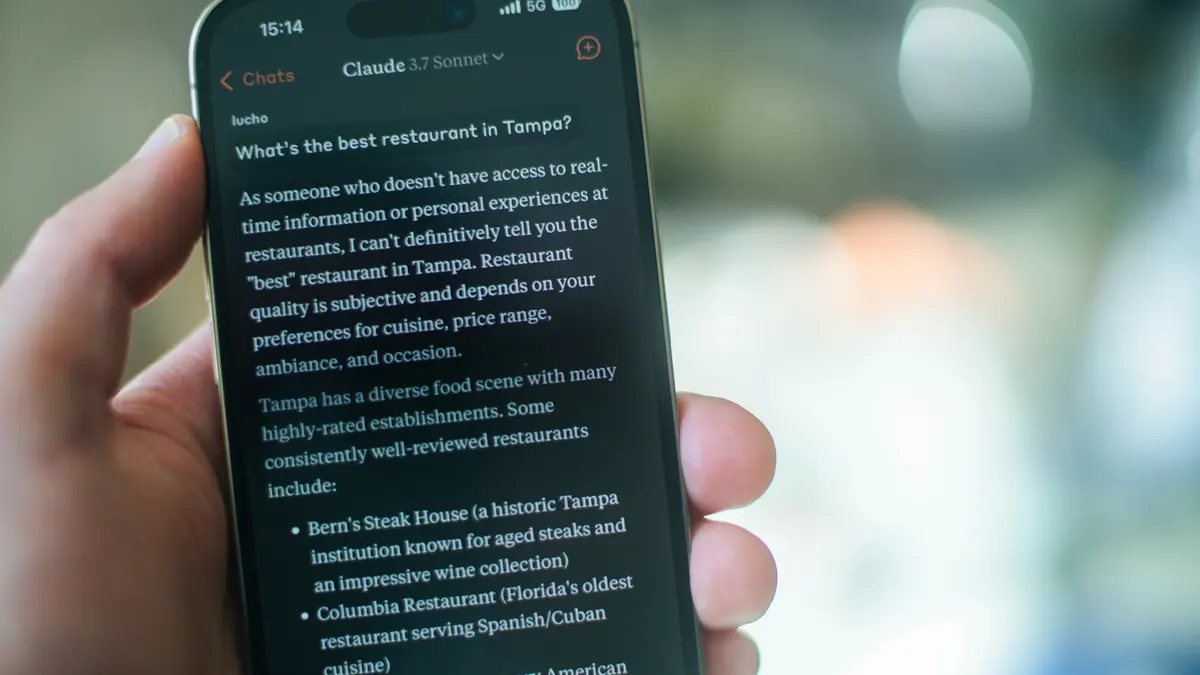
Anthropic, developer of the Claude artificial intelligence model, is considering imposing a comprehensive restriction on stock sales by employees as it moves toward an initial public offering (IPO) planned for October. The company already filed a confidential S-1 prospectus with the U.S. Securities and Exchange Commission (SEC) on June 1. Recalling the experience of SpaceX, where employees once thought they were millionaires only to face a harsh reality, the company is exercising caution.
Among the measures being considered, Anthropic is examining the possibility of requiring most employees, and perhaps even all of them, to sell shares solely through pre-established and mandatory 10b5-1 trading plans after the listing. This is a framework that pre-determines the timing, quantity, and price of stock sales, thereby reducing the employee's personal discretion when executing the transaction. Plans of this type are usually used by senior executives and select finance and legal teams, but their application to all employees in the company is now being examined as a preventive measure intended to avoid suspicions of insider trading. Internal discussions on the subject, which are also being held with external consultants, are still ongoing, and a final decision has not yet been made.
The push to tighten trading controls comes in the midst of a race between Anthropic and OpenAI, the two leading companies in the field of artificial intelligence, toward becoming public companies. Recent funding rounds valued both companies at around one trillion dollars each, with trading on the secondary market suggesting a valuation of about 1.2 trillion dollars for Anthropic, and its last private funding round valued it at about 965 billion dollars. In preparation for the IPO, Anthropic hired investment banks Morgan Stanley, Goldman Sachs, and J.P. Morgan Chase to manage the process and is preparing for meetings with potential investors.
The competitive context in which this move is taking place is complex, as other prominent IPOs in the field of AI recorded sharp declines after their market debut, while chip company Nvidia stood out as the main beneficiary of the growing demand for AI, with its value climbing to about 5 trillion dollars. Investor enthusiasm for Anthropic is linked to the rapid adoption of Claude models among organizations, as well as the development of agentic AI tools. About 80% of the company's revenue comes from organizations using its APIs and developer products, and its annual revenue run rate rose to 47 billion dollars by mid-2026, compared to only 9 billion dollars at the end of last year.
For comparison, OpenAI generates about 40% of its revenue from organizations and relies heavily on a larger consumer base. The financial profiles of the two companies differ: OpenAI recorded a net loss of about 38.5 billion dollars last year and does not expect to reach profitability before 2030 at the earliest, while Anthropic reported an operating profit for the first time in the second quarter of the current year. These gaps fuel the debate surrounding the valuation of both companies ahead of the expected IPOs and place issues such as revenue stability, the pace of organizational adoption, and the degree of patience the market will show toward continued heavy investment in computing infrastructure, model training, and product development at the center of attention.