Leveraged SOXL Semiconductor Fund Plummets 55% in Brutal Week of Trading
The leveraged SOXL semiconductor fund crashed 31% in a single day and 55% in a week, highlighting the severe risks of leveraged financial instruments and daily compounding losses.
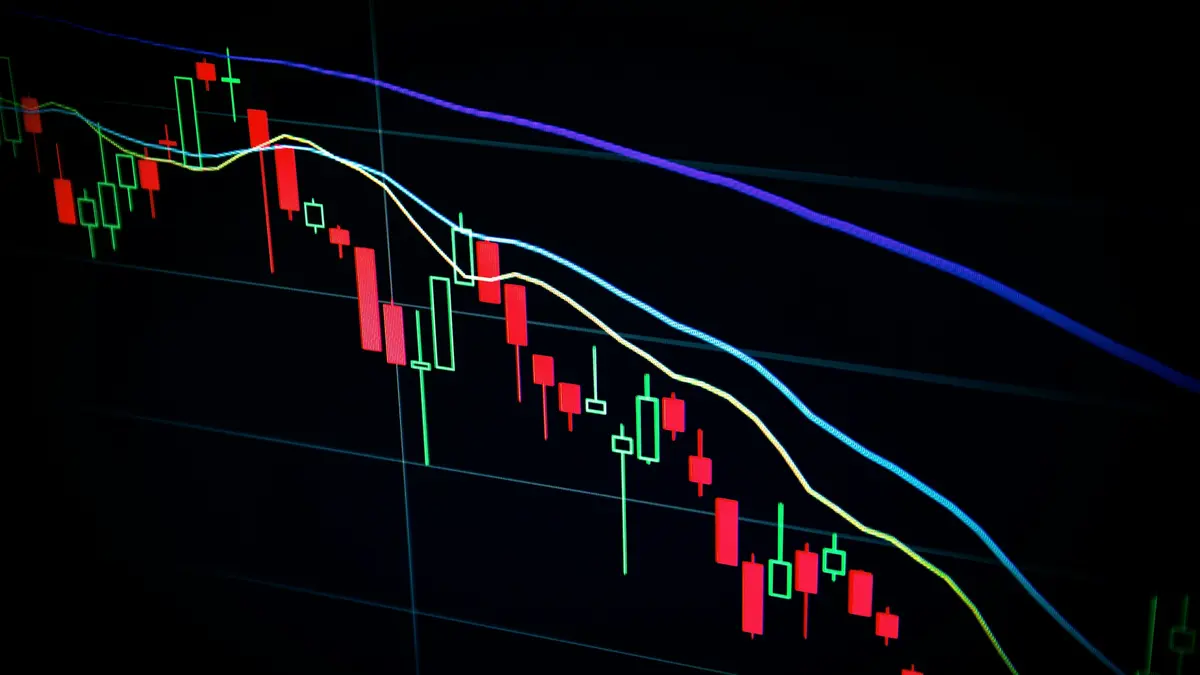
Semiconductor stock investors are no strangers to market volatility, but Thursday's dramatic session in the leveraged SOXL fund serves as a stark reminder of the acute risks associated with leveraged trading instruments.
The fund, designed to provide triple the daily performance of a major semiconductor index, plummeted roughly 31% during Wall Street trading, capping a steep 55% collapse over the span of a single week. Investors holding the asset throughout this period saw more than half of their capital wiped out in a matter of days.
The Mechanics of Leveraged Losses
At 12:10 PM New York time, the fund traded at $46, marking a severe drop of $20.68 compared to its previous closing price of $66.68. During the session, the fund even touched an intraday low of $42.06 before staging a modest recovery.
To put this into perspective, an investor who held 100,000 shekels worth of the fund at the end of the previous week would have watched their portfolio shrink to approximately 45,000 shekels—representing a 55,000 shekel loss in just one week, excluding commissions and foreign exchange fluctuations.
The SOXL fund is not a standard exchange-traded fund. It aims to deliver 300% of the daily return of its benchmark index. However, this leverage resets on a daily basis, meaning that during periods of high market turbulence, cumulative returns can deviate significantly from three times the index's overall movement.
The Brutal Mathematics of Market Recovery
Following a 55% drop, the fund would need to surge by approximately 122% simply to return to the valuation it held just days prior. This illustrates the unforgiving mathematical reality of capital destruction: the deeper the drawdown, the exponentially larger the subsequent gain required to break even.
While leveraged products can generate substantial profits during roaring bull markets, they carry devastating downside risks for retail participants who misunderstand their daily resetting mechanism. Analysts note that investors seeking exposure to the semiconductor sector can utilize unleveraged alternatives, such as the SOXX fund, to mitigate the extreme volatility inherent in daily triple-leveraged products.